
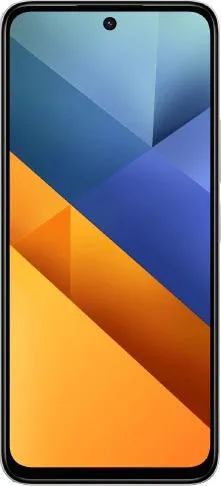
Let's dive into a comparative analysis of the Google Pixel 8 Pro and the Xiaomi Poco M6 4G, dissecting their technical specifications and translating them into real-world implications for you.
1. Specifications Breakdown
| Feature | Google Pixel 8 Pro | Xiaomi Poco M6 4G | Real-World Implications |
|---|---|---|---|
| Design | |||
| Dimensions | 162.6 x 76.5 x 8.8 mm | 168.6 x 76.3 x 8.3 mm | Pixel 8 Pro is slightly shorter, narrower, but a tad thicker. Poco M6 4G might feel slightly larger in hand. |
| Weight | 213g | 205g | Pixel is a bit heavier; difference is negligible in daily use. |
| Display | |||
| Display Type | LTPO OLED, 120Hz | IPS LCD, 90Hz | Pixel offers superior contrast, deeper blacks, and smoother scrolling thanks to OLED and higher refresh rate. |
| Resolution | 1344 x 2992 | 1080 x 2460 | Pixel boasts significantly sharper visuals due to higher resolution. |
| Peak Brightness | 2400 nits | 550 nits | Pixel's display is dramatically brighter, ensuring excellent outdoor visibility. |
| Performance | |||
| Chipset | Google Tensor G3 | Mediatek Helio G91 Ultra | Pixel's Tensor G3, built on a more advanced 4nm process, promises significantly better performance and AI capabilities. |
| CPU | Nona-core | Octa-core | While core count differs, Pixel's architecture and clock speeds point towards much stronger processing power. |
| GPU | Immortalis-G715s MC10 | Mali-G52 MC2 | Expect significantly smoother gaming and graphics-intensive tasks on the Pixel. |
| RAM | 12GB | 8GB | Pixel's larger RAM allows for more seamless multitasking and app switching. |
| Storage | 256/512/1000GB | 256GB | Pixel offers more storage options for power users. |
| Camera | Not specified in detail | Not specified in detail | Can't compare specifics, but Pixel is generally renowned for its exceptional camera performance. Expect superior image quality and features from Google. |
| Battery Life | |||
| Battery Capacity | 5050 mAh | 5030 mAh | Nearly identical battery capacities; real-world battery life will depend on optimization and usage patterns. |
2. Key Insights
The Pixel 8 Pro is a clear flagship device, boasting a cutting-edge display, a powerful processor designed for AI and machine learning, and generally superior hardware across the board. Expect a premium user experience with smooth performance, vibrant visuals, and advanced features. Google's reputation for computational photography suggests a significant advantage in camera quality, though detailed specs aren't available for direct comparison.
The Poco M6 4G aims for affordability. While it offers a large display and ample battery, it lags significantly in processing power, display quality, and overall feature set. It's a device designed for basic tasks and less demanding users.
3. User Profiles and Recommendations
Pixel 8 Pro: Ideal for power users, photographers, gamers, or anyone who demands top-tier performance, a brilliant display, and the latest features. If you value a premium user experience and are willing to pay for it, the Pixel 8 Pro is a strong contender.
Poco M6 4G: Best suited for budget-conscious users who prioritize basic functionality: calling, texting, web browsing, and light media consumption. If your smartphone needs are modest and you want to maximize value for your money, the Poco M6 4G is a reasonable option.
4. Buying Decision Framework
Questions to consider:
- What is your budget? The Pixel 8 Pro sits in a higher price bracket, reflecting its premium features. The Poco M6 4G is significantly more affordable.
- What are your primary smartphone uses? For demanding tasks, gaming, or photography, the Pixel is the clear winner. For basic communication and light usage, the Poco M6 4G suffices.
- How important is display quality and performance? The Pixel's superior display and processing power provide a significantly enhanced user experience.
My Choice
I would choose the Google Pixel 8 Pro. While significantly more expensive, the advancements in processing power (especially crucial for AI tasks, which are increasingly integrated into daily workflows), the superior display, and the expected excellence in camera capabilities align perfectly with my needs as a tech journalist. The smoother performance and future-proof hardware justify the premium for a user like me who relies heavily on their smartphone for both work and leisure. The Poco M6 4G, while offering great value, simply doesn't meet the performance and feature requirements I demand from my primary device.
