
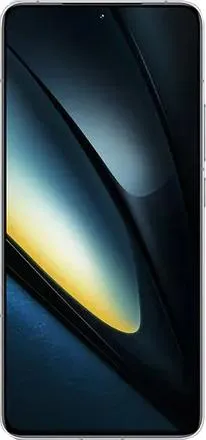
Google Pixel 8 Pro vs. Xiaomi Poco F6 Pro: A Deep Dive
Let's dissect the Google Pixel 8 Pro and the Xiaomi Poco F6 Pro, two compelling contenders in the smartphone arena. We'll go beyond the spec sheet to understand what these numbers truly mean for your daily life.
1. Specifications Breakdown
| Feature | Google Pixel 8 Pro | Xiaomi Poco F6 Pro | Real-World Implications |
|---|---|---|---|
| Design | |||
| Dimensions | 162.6 x 76.5 x 8.8 mm | 160.9 x 75 x 8.2 mm | Poco F6 Pro is slightly more compact. |
| Weight | 213g | 209g | Negligible difference in hand feel. |
| Display | |||
| Size | 6.7" | 6.67" | Virtually identical screen real estate. |
| Type | LTPO OLED | AMOLED | Both offer vibrant colors and deep blacks. Pixel's LTPO allows for more granular refresh rate adjustments, saving battery. |
| Resolution | 1344 x 2992 | 1440 x 3200 | Poco F6 Pro boasts a slightly sharper display. |
| Refresh Rate | 120Hz | 120Hz | Both offer smooth scrolling and animations. |
| Peak Brightness | 2400 nits (peak) | 4000 nits (peak) | Poco F6 Pro should be significantly brighter in direct sunlight. |
| Performance | |||
| Chipset | Google Tensor G3 (4nm) | Snapdragon 8 Gen 2 (4nm) | Both are high-end chips, but Snapdragon 8 Gen 2 generally benchmarks higher in raw performance. |
| CPU | Nona-core | Octa-core | Core configuration differences are less impactful than overall chip optimization for daily use. |
| GPU | Immortalis-G715s MC10 | Adreno 740 | Adreno 740 generally delivers superior gaming performance. |
| RAM | 12GB | 12GB/16GB | Both offer ample RAM for multitasking; 16GB on Poco F6 Pro provides additional future-proofing. |
| Storage | 256GB, 512GB, 1TB | 512GB, 1TB | Comparable high-speed storage options. |
| Battery | |||
| Capacity | 5050 mAh | 5000 mAh | Very similar battery capacities; real-world battery life will depend on software optimization and usage. |
2. Key Insights
- Performance: While the Tensor G3 excels in AI and machine learning tasks, delivering a uniquely optimized Pixel experience, the Snapdragon 8 Gen 2 in the Poco F6 Pro generally offers superior raw processing power, particularly for demanding tasks like gaming.
- Display: Both phones offer stunning visuals. However, the Poco F6 Pro's higher peak brightness gives it a significant edge in outdoor visibility. While the Pixel 8 Pro's LTPO panel dynamically adjusts refresh rates for better battery efficiency, the difference in real-world usage might be marginal for many users.
- Software: Pixel phones receive faster and more frequent Android updates directly from Google, generally leading to a cleaner software experience and longer support lifespan. Xiaomi's MIUI, while feature-rich, often introduces a significant layer of customization that some users might find less appealing.
3. User Profiles and Recommendations
- Pixel 8 Pro: Ideal for users who prioritize a clean, smooth Android experience with timely updates, best-in-class camera performance (not detailed in specs but generally known), and seamless Google integration. Those heavily invested in the Google ecosystem will benefit most.
- Poco F6 Pro: Best suited for power users who demand top-tier performance for gaming and other intensive tasks, value a brighter display for outdoor use, and prefer a highly customizable user interface. Price-conscious buyers seeking maximum hardware for their money will find this appealing.
4. Buying Decision Framework
- What is your priority: software experience or raw performance? If you prioritize a clean, frequently updated OS with a focus on AI and smooth performance, the Pixel is your choice. If raw power for gaming and demanding tasks is paramount, the Poco F6 Pro takes the lead.
- How important is display brightness? If you frequently use your phone outdoors in bright sunlight, the Poco F6 Pro's significantly higher peak brightness will be a major advantage.
- What's your budget? While both are in the "medium price" range, the Poco F6 Pro often positions itself as a more affordable flagship killer. Consider which features you're willing to pay a premium for.
My Choice: As Alex Griffin, I would lean towards the Pixel 8 Pro. While the Poco F6 Pro boasts impressive hardware, I value the seamless software experience, timely updates, and tight Google integration that the Pixel offers. The superior camera capabilities (generally known for Pixel phones), along with the cleaner Android experience, outweigh the Poco's advantages in raw performance and peak brightness for my personal usage. I prioritize a phone that seamlessly integrates into my workflow and provides a consistently reliable and enjoyable user experience over pure benchmark numbers.
