
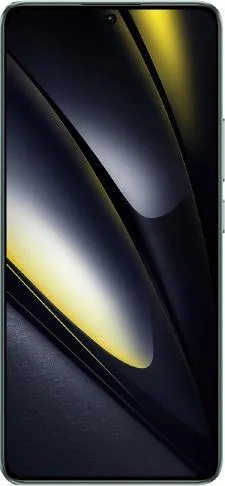
Let's dive into a comparative analysis of the Google Pixel 8 Pro and the Xiaomi Poco F6, dissecting their specifications and uncovering what they truly offer users.
1. Specifications Breakdown
| Feature | Google Pixel 8 Pro | Xiaomi Poco F6 | Real-World Implications | Category |
|---|---|---|---|---|
| Dimensions | 162.6 x 76.5 x 8.8 mm | 160.5 x 74.5 x 8 mm | Poco F6 is slightly smaller and lighter, potentially improving one-handed use. | Design |
| Weight | 213g | 179g | Noticeably lighter Poco F6 enhances portability and reduces fatigue. | Design |
| Display Type | LTPO OLED | AMOLED | Pixel's LTPO offers better power efficiency with dynamic refresh rate scaling. | Display |
| Display Size | 6.7" | 6.67" | Negligible size difference; both offer immersive viewing experiences. | Display |
| Resolution | 1344 x 2992 | 1220 x 2712 | Pixel 8 Pro boasts sharper visuals due to higher pixel density (489 vs 446 ppi). | Display |
| Peak Brightness | 2400 nits | 2400 nits | Both excel in outdoor visibility with equally high peak brightness. | Display |
| Chipset | Google Tensor G3 | Snapdragon 8s Gen 3 | Performance differences likely minimal in everyday tasks, but benchmarks will reveal nuances. | Performance |
| CPU | Nona-core | Octa-core | Core configuration difference less impactful than core performance which needs further benchmarking. | Performance |
| GPU | Immortalis-G715s MC10 | Adreno 735 | Gaming performance likely favors the Poco F6 with Adreno 735 (specs dependent on real world benchmarks). | Performance |
| RAM | 12GB | 12GB | Both offer ample RAM for smooth multitasking and demanding applications. | Performance |
| Storage | 256/512/1000GB | 512GB | Pixel offers more storage options, catering to varying needs. | Performance |
| Battery | 5050 mAh | 5000 mAh | Marginal battery capacity difference; real-world usage will determine battery life. | Battery Life |
| OS | Android 14 | Android 14 | Both run the latest Android version, but Pixel likely to receive updates faster and longer. | Software |
| Camera Sensors | More comprehensive | Basic | Pixel excels with additional sensors like barometer and thermometer for specialized applications. | Features |
| Video | More comprehensive | Basic | Pixel offers a wider range of video recording options and features (OIS, EIS at various resolutions/fps). | Features |
2. Key Insights
- Display: The Pixel 8 Pro's LTPO panel dynamically adjusts refresh rate, optimizing battery life. Its higher resolution delivers crisper visuals. While both boast impressive peak brightness, real-world sustained brightness and color accuracy need further testing.
- Performance: Both chipsets are powerful. The Tensor G3 excels in AI and machine learning tasks, potentially offering a smoother, more personalized user experience. The Snapdragon 8+ Gen 1 in the Poco F6 might have a slight edge in raw graphical power.
- Cameras: While specific camera sensor details are lacking, Google's computational photography prowess traditionally makes the Pixel a strong contender. The more comprehensive video capabilities of the Pixel suggest a more robust content creation experience.
- Software: Pixel phones receive faster and longer software updates directly from Google, guaranteeing a longer lifespan of feature and security support. Xiaomi's update track record is less consistent.
3. User Profiles and Recommendations
- Pixel 8 Pro: Ideal for users prioritizing a premium, polished experience, the latest Android features, timely updates, superior camera performance, and AI-powered enhancements.
- Poco F6: Suited for users seeking top-tier performance at a potentially lower price point, with a focus on gaming and multimedia consumption. Those comfortable with potentially less timely software updates might find this a compelling option.
4. Buying Decision Framework
- What matters most? Prioritize camera quality, software updates, and AI features? Pixel 8 Pro. Prioritize raw performance and value? Poco F6.
- What's your budget? Both phones are in the mid-range segment, but historical pricing suggests the Poco F6 may be more affordable.
- How important is long-term software support? The Pixel 8 Pro's guaranteed updates offer peace of mind.
My Choice: I'd choose the Pixel 8 Pro. While the Poco F6 offers tempting performance, the Pixel's superior display, consistent software updates, likely better camera system (given Google's track record), and AI-powered features align more closely with my priorities. The slightly higher price would be justified for the overall more refined and future-proof experience, especially knowing Google's commitment to long-term software support. The added sensors for niche applications like measuring skin temperature, while potentially gimmicky, hint at a more comprehensive and feature-rich device, which I appreciate.
