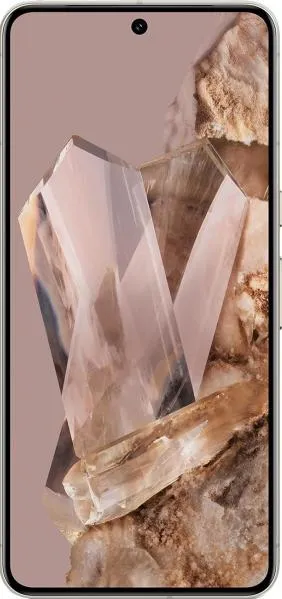
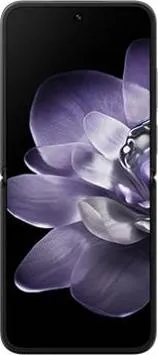
Google Pixel 8 Pro vs. Xiaomi Mix Flip: A Deep Dive
Let's dissect the Google Pixel 8 Pro and the Xiaomi Mix Flip, two powerhouses with distinct personalities. We'll go beyond the spec sheet to understand what these differences really mean for you.
1. Specifications Breakdown
| Feature | Google Pixel 8 Pro | Xiaomi Mix Flip | Real-World Implications |
|---|---|---|---|
| Design | |||
| Dimensions | 162.6 x 76.5 x 8.8mm | 167.5 x 74 x 7.6mm | Mix Flip is significantly more compact when folded, pocketable. |
| Weight | 213g | 190g | Mix Flip is noticeably lighter. |
| Foldable | No | Yes | Mix Flip offers a unique form factor, smaller when closed. |
| Display | |||
| Size | 6.7" | 6.86" | Mix Flip offers a slightly larger screen. |
| Type | LTPO OLED | LTPO AMOLED | Both offer excellent color accuracy and power efficiency. |
| Resolution | 1344 x 2992 | 1224 x 2912 | Pixel 8 Pro slightly sharper, but both are high-resolution. |
| Refresh Rate | 120Hz | 120Hz | Smooth scrolling and animations on both. |
| Peak Brightness | 2400 nits | 3000 nits | Mix Flip significantly brighter outdoors. |
| Performance | |||
| Chipset | Google Tensor G3 | Snapdragon 8 Gen 3 | Both are top-tier chipsets, expect blazing fast performance. |
| CPU | Nona-core | Octa-core | Core configuration differences likely negligible in real-world use. |
| GPU | Immortalis-G715s MC10 | Adreno 750 | Both offer excellent gaming and graphics performance. |
| RAM | 12GB | 12GB | Ample RAM for multitasking on both devices. |
| Storage | 256/512/1000GB | 512GB | Pixel offers more storage options. |
| Battery Life | |||
| Capacity | 5050 mAh | 4780 mAh | Pixel has a slightly larger battery. |
| Other | |||
| OS | Android 14 | Android 14 | Both run the latest Android version. |
| USB | USB Type-C 3.2 | USB Type-C 2.0 | Faster data transfer speeds on Pixel 8 Pro. |
| Price Range | Medium | High | Mix Flip is expected to be more expensive. |
2. Key Insights
- Form Factor: The Mix Flip's foldable design is the defining difference. It provides a compact, pocketable experience when closed, while offering a full-sized screen when open. The Pixel 8 Pro sticks to the traditional slab design.
- Display Brilliance: While both phones have gorgeous displays, the Mix Flip's 3000 nits peak brightness is a game-changer for outdoor visibility.
- Performance Parity: Both phones boast powerful processors and ample RAM, ensuring smooth performance for demanding tasks and gaming. Real-world differences will likely be minimal for average users.
- Software Experience: Both run on Android 14, but Google's Pixel offers a cleaner, more stock Android experience with faster updates. Xiaomi's MIUI offers more customization options but may come with bloatware.
- The Price Premium: The Mix Flip's innovative folding technology and high-end specs command a premium price. The Pixel 8 Pro offers a compelling balance of performance and features at a more accessible price point.
3. User Profiles and Recommendations
- Pixel 8 Pro: Ideal for users who prioritize a clean Android experience, a fantastic camera, and excellent performance in a familiar form factor. Great for photography enthusiasts, power users, and those seeking a premium experience without the foldable price tag.
- Xiaomi Mix Flip: Perfect for users who value innovation and portability above all else. The foldable design is a conversation starter and offers unique benefits in terms of pocketability and multitasking. This phone is for early adopters, trendsetters, and those who want the latest and greatest technology.
4. Buying Decision Framework
- How important is portability? If pocket space is a premium and you love the idea of a compact phone that unfolds to a larger screen, the Mix Flip is the clear winner.
- What's your budget? The Pixel 8 Pro offers exceptional value for its price, while the Mix Flip is a more premium investment.
- Are you an early adopter or do you prefer a refined, established experience? The Mix Flip represents cutting-edge technology, while the Pixel 8 Pro provides a polished, familiar Android experience.
My Choice: As a tech journalist who values practicality and a balanced approach, I would choose the Google Pixel 8 Pro. While the Mix Flip's foldable design is intriguing, I'm not convinced it outweighs the Pixel's advantages in terms of price, software experience, and overall refinement. The slightly larger battery, faster USB standard, and cleaner Android experience, coupled with a more accessible price point, make the Pixel 8 Pro the more compelling choice for my needs. I appreciate a reliable, powerful phone that excels in everyday tasks and doesn't break the bank. While I admire Xiaomi's innovation, the Pixel 8 Pro better aligns with my personal priorities.
