
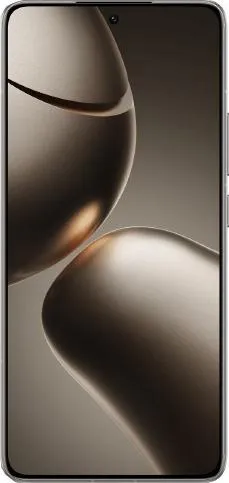
Google Pixel 8 Pro vs. Xiaomi 14T Pro: A Deep Dive
Let's dissect these two intriguing contenders in the smartphone arena, the Google Pixel 8 Pro and the Xiaomi 14T Pro. We'll go beyond the spec sheets to uncover what these numbers really mean for you.
1. Specifications Breakdown
| Feature | Google Pixel 8 Pro | Xiaomi 14T Pro | Real-World Implications |
|---|---|---|---|
| Design | |||
| Dimensions | 162.6 x 76.5 x 8.8mm | 160.4 x 75.1 x 8.4mm | Xiaomi 14T Pro is slightly smaller and thinner, potentially offering a more comfortable one-handed grip. |
| Weight | 213g | 209g | Negligible difference in weight; both phones are on the heavier side. |
| Display | |||
| Display Type | LTPO OLED | AMOLED | Both offer vibrant colors and deep blacks. LTPO allows for more granular refresh rate control, saving battery. |
| Refresh Rate | 120Hz | 144Hz | 144Hz offers smoother scrolling and animations, but the difference might be subtle for most users. |
| Peak Brightness | 2400 nits | 4000 nits | Xiaomi's significantly higher peak brightness ensures superior outdoor visibility. |
| Resolution | 1344 x 2992 | 1220 x 2712 | Pixel 8 Pro boasts a slightly sharper display due to higher pixel density. |
| Performance | |||
| Chipset | Google Tensor G3 | Dimensity 9300+ | Both are powerful chips, but benchmarks will be needed to determine real-world performance differences. |
| CPU | Nona-core | Octa-core | Core configuration differences can impact multi-tasking and sustained performance; real-world use will tell. |
| GPU | Immortalis-G715s MC10 | Immortalis-G720 MC12 | Expect excellent gaming performance from both, with potential advantages for the Xiaomi on paper. |
| RAM | 12GB | 12GB | Ample RAM for smooth multitasking on both devices. |
| Battery Life | |||
| Capacity | 5050 mAh | 5000 mAh | Very similar battery capacities; real-world battery life will depend on optimization and usage patterns. |
| Other | |||
| OS | Android 14 | Android 14 | Both offer the latest Android experience with their respective customizations. |
| USB | USB Type-C 3.2 | USB Type-C 2.0 | Faster data transfer speeds on the Pixel 8 Pro. |
| Video Capabilities | Up to 4K@60fps, 1080p@240fps | Up to 8K@30fps, 1080p@960fps | Xiaomi offers higher resolution and slow-motion video recording capabilities. |
2. Key Insights
The Pixel 8 Pro leans into Google's AI prowess and computational photography, promising a refined software experience and exceptional image quality. Its LTPO display excels in power efficiency.
The Xiaomi 14T Pro, on the other hand, pushes the boundaries of raw performance and display brilliance with its high refresh rate and exceptional brightness. Its video recording capabilities are also notably superior.
3. User Profiles and Recommendations
Pixel 8 Pro: Ideal for users prioritizing a seamless software experience, top-tier camera performance, and all-day battery life. Its strengths lie in intelligent features and refined usability.
Xiaomi 14T Pro: Best suited for power users, gamers, and content creators who demand peak performance, a stunning display, and advanced video recording capabilities.
4. Buying Decision Framework
- What matters most? Prioritize software experience and camera quality? Pixel 8 Pro. Raw performance and display brilliance? Xiaomi 14T Pro.
- What's your budget? While both are "medium priced", slight price differences might exist. Factor in value for your specific needs.
- What's your usage pattern? Heavy gamer or content creator? Xiaomi. Everyday user focused on communication and photography? Pixel.
My Choice: I would choose the Pixel 8 Pro. While the Xiaomi 14T Pro boasts impressive specs on paper, especially its brighter display and video capabilities, I value the cohesive software experience, AI-driven features, and historically excellent camera performance that the Pixel line offers. The slightly sharper display and faster USB standard are also appealing. I prioritize a phone that seamlessly integrates into my workflow, and the Pixel 8 Pro, with its focus on intelligent automation and refined user experience, aligns more closely with my needs. Ultimately, it's a matter of personal preference and prioritizing what truly matters in a daily driver.
