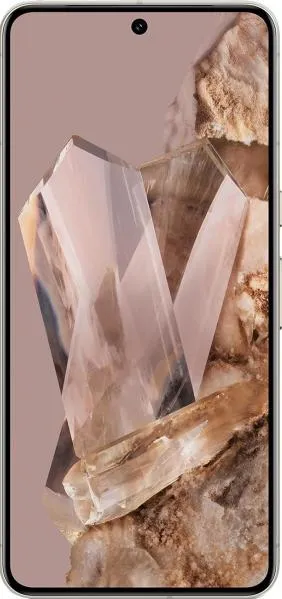
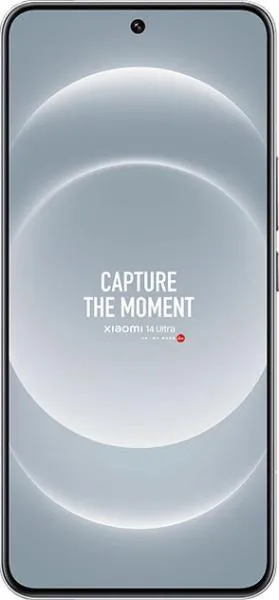
Google Pixel 8 Pro vs. Xiaomi 14 Ultra: A Deep Dive
Let's dissect the Google Pixel 8 Pro and the Xiaomi 14 Ultra, two titans vying for your pocket space. We'll go beyond mere spec sheets and delve into what these numbers mean for your daily life.
1. Specifications Breakdown
| Feature | Google Pixel 8 Pro | Xiaomi 14 Ultra | Real-World Implications |
|---|---|---|---|
| Design | |||
| Dimensions | 162.6x76.5x8.8mm | 161.4x75.3x9.2mm | Xiaomi is slightly shorter and narrower but thicker. Negligible difference in hand feel for most. |
| Weight | 213g | 229.5g | Xiaomi is noticeably heavier, potentially impacting one-handed use. |
| Display | |||
| Size | 6.7" | 6.73" | Virtually identical screen real estate. |
| Type | LTPO OLED | LTPO AMOLED | Both offer excellent color accuracy, responsiveness, and power efficiency. |
| Resolution | 1344x2992 | 1440x3200 | Xiaomi boasts a sharper display with slightly higher pixel density. |
| Peak Brightness | 2400 nits | 3000 nits | Xiaomi's display will be more visible in direct sunlight. |
| Refresh Rate | 120Hz | 120Hz | Both offer smooth scrolling and animations. |
| Performance | |||
| Chipset | Google Tensor G3 | Snapdragon 8 Gen 3 | Both are top-tier chipsets, but Snapdragon generally benchmarks higher in raw performance. |
| CPU | Nona-core | Octa-core | Core configuration differences are less crucial than real-world performance, which we'll address later. |
| GPU | Immortalis-G715s MC10 | Adreno 750 | Adreno 750 typically delivers stronger gaming performance. |
| RAM | 12GB | 16GB | Xiaomi offers more RAM, potentially benefiting multitasking and future-proofing. |
| Storage | 256/512/1TB GB | 512GB | Pixel offers more storage options, catering to diverse needs. |
| Battery Life | |||
| Capacity | 5050 mAh | 5000 mAh | Nearly identical battery capacity; real-world usage will depend on optimization. |
2. Key Insights
- Performance: While the Snapdragon 8 Gen 3 generally edges out the Tensor G3 in benchmarks, the Tensor shines in AI-powered tasks, photography processing, and on-device language models. This translates to a smoother, more intuitive user experience for everyday tasks on the Pixel, even if it might lag slightly in demanding games. The Xiaomi 14 Ultra, with its Adreno 750 GPU and increased RAM, will likely offer a superior mobile gaming experience.
- Display: Both displays are stunning, but the Xiaomi 14 Ultra's higher resolution and peak brightness give it a slight edge. This difference will be most noticeable outdoors in bright sunlight. However, Pixel's display technology is no slouch and provides exceptional quality.
- Camera: While camera specifications aren't provided, historically, Pixel phones have excelled in computational photography. We can anticipate the Pixel 8 Pro continuing this trend, leveraging the Tensor G3's AI prowess. The Xiaomi 14 Ultra will undoubtedly be a strong competitor, potentially boasting higher resolution sensors and more versatile lens options.
- Software and Ecosystem: Pixel phones run pure Android with guaranteed updates, offering a clean and bloatware-free experience. Xiaomi's MIUI adds customization options but might not appeal to everyone.
3. User Profiles and Recommendations
- Pixel 8 Pro: Ideal for users who prioritize a seamless software experience, AI-powered features, exceptional photography, and timely updates. Great for everyday productivity, content creation, and casual gaming.
- Xiaomi 14 Ultra: Best suited for power users, mobile gamers, and those who demand top-tier hardware specifications. Excellent for demanding tasks, multimedia consumption, and pushing the device to its limits.
4. Buying Decision Framework
- What is your primary use for your smartphone? (e.g., photography, gaming, productivity)
- How important is software experience and update frequency?
- What is your budget and storage requirement?
My Choice: Pixel 8 Pro
While the Xiaomi 14 Ultra boasts impressive hardware, I would choose the Pixel 8 Pro. My priorities lie in a smooth, intuitive software experience, consistent performance in everyday tasks, and a camera that excels in real-world scenarios. The Pixel's AI-powered features, guaranteed updates, and cleaner Android build significantly enhance my daily workflow. While the Xiaomi might offer a performance advantage in benchmarks, the Pixel's Tensor G3 is optimized for tasks I value most. The slightly lighter weight and broader storage options further solidify my choice. Ultimately, the Pixel 8 Pro offers a more cohesive and tailored experience aligned with my needs.
