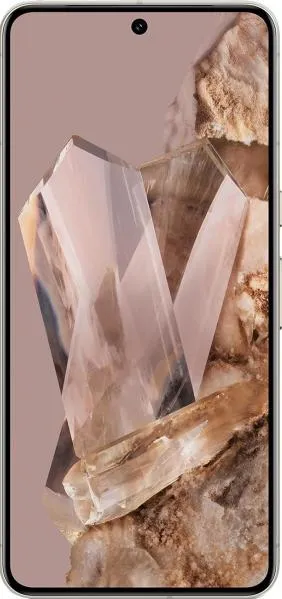
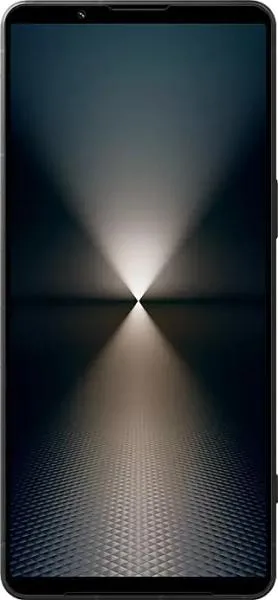
Google Pixel 8 Pro vs. Sony Xperia 1 VI: A Deep Dive
Let's dissect the Google Pixel 8 Pro and the Sony Xperia 1 VI, two compelling smartphones vying for your attention. We'll go beyond the spec sheet, translating technical jargon into real-world experiences to help you choose the perfect device.
1. Specifications Breakdown
| Feature | Google Pixel 8 Pro | Sony Xperia 1 VI | Real-World Implications |
|---|---|---|---|
| Design | |||
| Dimensions | 162.6 x 76.5 x 8.8 mm | 162 x 74 x 8.2 mm | Xperia 1 VI is slightly narrower and thinner, potentially more comfortable for one-handed use. |
| Weight | 213g | 192g | Xperia 1 VI is noticeably lighter, reducing hand fatigue during extended use. |
| Build Materials | Glass/Aluminum | Glass/Aluminum | Both offer premium build quality, but durability may vary. Case usage recommended for both. |
| Display | |||
| Size | 6.7" | 6.5" | Pixel 8 Pro offers a larger viewing area for media consumption. |
| Type | LTPO OLED | LTPO OLED | Both boast power-efficient displays with vibrant colors and deep blacks. |
| Resolution | 1344 x 2992 | 1080 x 2340 | Pixel 8 Pro boasts sharper visuals due to higher pixel density (489 ppi vs. 396 ppi). |
| Refresh Rate | 120Hz | 120Hz | Both deliver smooth scrolling and animations. |
| Peak Brightness | 2400 nits | N/A | Pixel 8 Pro's exceptional brightness ensures excellent outdoor visibility. Lack of data for Xperia makes comparison incomplete. |
| Performance | |||
| Chipset | Google Tensor G3 | Snapdragon 8 Gen 3 | Both are flagship processors, but benchmark comparisons are needed for definitive performance assessment. |
| CPU | Nona-core | Octa-core | Core configuration differences require real-world testing to determine practical impact on speed and multitasking. |
| GPU | Immortalis-G715s MC10 | Adreno 750 | Gaming and graphically demanding tasks may reveal performance differences between GPUs. Real-world tests are crucial. |
| RAM | 12GB | 12GB | Both offer ample RAM for smooth multitasking and app switching. |
| Storage | 256/512/1000GB | 512GB | Pixel offers more storage options for users with large media libraries. |
| Battery Life | |||
| Capacity | 5050 mAh | 5000 mAh | Similar battery capacities suggest comparable battery life, but real-world usage patterns will be the deciding factor. |
2. Key Insights
- Display: The Pixel 8 Pro edges out the Xperia 1 VI with its higher resolution and confirmed peak brightness, promising a more immersive visual experience. The Xperia 1 VI's narrower form factor may appeal to those prioritizing one-handed usability.
- Performance: Both phones boast powerful processors. The Snapdragon 8 Gen 3 in the Xperia generally benchmarks higher in raw power, but the Tensor G3 is optimized for AI and machine learning tasks, potentially leading to a smoother, more personalized user experience.
- Software: Pixel offers a pure Android experience with faster updates, while Sony's skin adds some features but may delay updates.
3. User Profiles and Recommendations
- Pixel 8 Pro: Ideal for users who prioritize a vibrant display, a clean Android experience with prompt updates, and Google's AI-powered features. Photographers and videographers will appreciate Google's computational photography prowess.
- Sony Xperia 1 VI: Best suited for users who value a compact and lightweight design, potentially longer battery life (pending real-world tests), and a unique feature set geared towards multimedia creation, especially video.
4. Buying Decision Framework
- What is your priority: display quality or portability? Pixel 8 Pro for the former, Xperia 1 VI for the latter.
- Do you prefer a pure Android experience or a customized interface? Pixel for pure Android, Xperia for Sony's customizations.
- What is your budget and storage requirement? Pixel offers more storage options.
My Choice: I'd lean towards the Pixel 8 Pro. While the Xperia 1 VI is intriguing, the Pixel's superior display, coupled with the clean Android experience and Google's proven track record in computational photography, makes it a compelling package. I value the guaranteed software updates and the integration with the Google ecosystem. The Xperia's strengths in video recording are enticing, but the lack of concrete data on key aspects like peak brightness leaves some questions unanswered. The Pixel's higher resolution display is a significant advantage for everyday use, from browsing to enjoying multimedia content.
