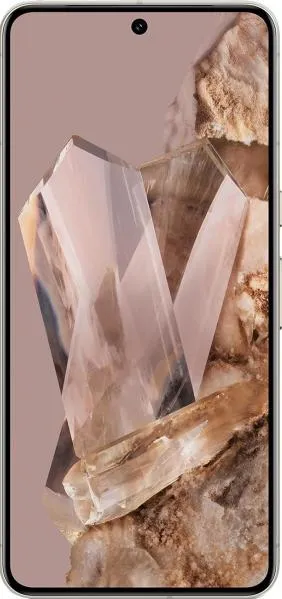
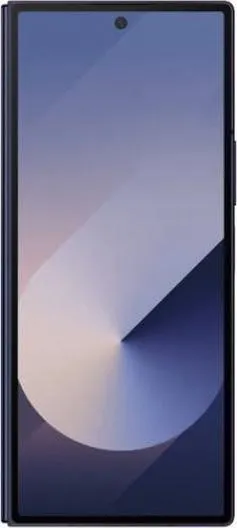
Google Pixel 8 Pro vs. Samsung Galaxy Z Fold6: A Detailed Comparison
Let's dive into a head-to-head comparison of the Google Pixel 8 Pro and the Samsung Galaxy Z Fold6, two flagship smartphones vying for your attention. This analysis goes beyond mere spec sheets, focusing on how these technical differences translate into real-world experiences.
1. Specifications Breakdown
| Feature | Google Pixel 8 Pro | Samsung Galaxy Z Fold6 | Real-World Implications |
|---|---|---|---|
| Design | |||
| Dimensions | 162.6 x 76.5 x 8.8 mm | 153.5 x 132.6 x 5.6 mm (Folded) | Fold6's compact folded size enhances portability; unfolded, it offers tablet-like screen real estate. Pixel 8 Pro is a more traditional, sleek slab phone. |
| Weight | 213g | 239g | Fold6's added weight is noticeable but understandable given its foldable design. |
| Foldable | No | Yes | Fold6's flexibility enables unique multitasking and content consumption scenarios. |
| Display | |||
| Size | 6.7" | 7.6" (Unfolded) | Fold6 provides significantly more screen area when unfolded. |
| Type | LTPO OLED | Foldable Dynamic AMOLED 2X | Both offer vibrant colors and deep blacks. Fold6's crease might be noticeable to some. |
| Resolution | 1344 x 2992 | 1856 x 2160 (Unfolded) | Fold6 boasts a higher resolution, resulting in sharper images and text, especially when unfolded. |
| Refresh Rate | 120Hz | 120Hz | Both offer smooth scrolling and animations. |
| Peak Brightness | 2400 nits | 2600 nits | Fold6 has a slight edge in outdoor visibility. |
| Performance | |||
| Chipset | Google Tensor G3 | Snapdragon 8 Gen 3 | Both chipsets are top-tier, promising blazing-fast performance. Snapdragon 8 Gen 3 generally benchmarks higher in raw processing power. |
| CPU | Octa-core | Octa-core | Both offer excellent multi-tasking capabilities. |
| GPU | Immortalis-G715s MC10 | Adreno 750 | Both GPUs handle demanding games and graphics with ease. Adreno 750 generally edges out in graphical benchmarks. |
| RAM | 12GB | 12GB | Ample RAM ensures smooth multitasking on both devices. |
| Battery | |||
| Capacity | 5050 mAh | 4400 mAh | Pixel 8 Pro likely offers longer battery life due to its larger battery and potentially more efficient Tensor chip. |
2. Key Insights
- Pixel 8 Pro: excels in computational photography, leveraging Google's AI prowess for stunning images. Its Tensor G3 chip, while perhaps not as powerful in raw benchmarks as the Snapdragon 8 Gen 3, is optimized for Google's specific software and AI features, leading to a seamless and intuitive user experience. Expect longer battery life compared to the Fold6.
- Galaxy Z Fold6: offers a groundbreaking foldable form factor, transforming from a pocketable phone to a mini-tablet. This versatility unlocks new possibilities for productivity and entertainment. The larger, high-resolution display shines for multitasking, media consumption, and creative endeavors.
3. User Profiles and Recommendations
- Pixel 8 Pro: Ideal for users who prioritize camera quality, software experience, and battery life. Photographers, content creators who value ease of use, and those seeking a refined Android experience will appreciate the Pixel's strengths.
- Galaxy Z Fold6: Best suited for power users, multitaskers, and those seeking a cutting-edge device. Professionals who benefit from a larger screen for productivity, content creators who edit on the go, and tech enthusiasts who crave innovation will gravitate towards the Fold6.
4. Buying Decision Framework
- Is a foldable design a priority? If yes, the Fold6 is your only option here. If not, consider the other factors.
- What matters most: camera quality or screen real estate? Pixel 8 Pro wins on camera, Fold6 on screen size.
- What's your budget? The Fold6 commands a significantly higher price due to its innovative technology.
My Choice: Google Pixel 8 Pro
While the Galaxy Z Fold6 is undeniably cool, the Pixel 8 Pro aligns better with my personal needs and priorities. As a tech journalist, I value a refined software experience, exceptional camera quality, and reliable battery life. The Pixel's seamless integration with Google's services, coupled with its AI-powered photography capabilities, makes it a compelling package. While I appreciate the Fold6's innovation, the added bulk, potential crease concerns, and higher price point make the Pixel 8 Pro a more practical choice for my daily workflow. The longer battery life is also a significant factor for me. I believe the Pixel 8 Pro delivers a more well-rounded and practical user experience for my specific needs.
