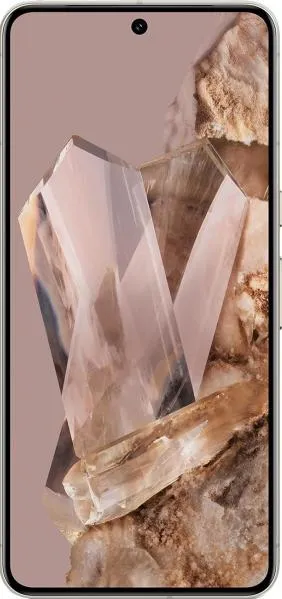
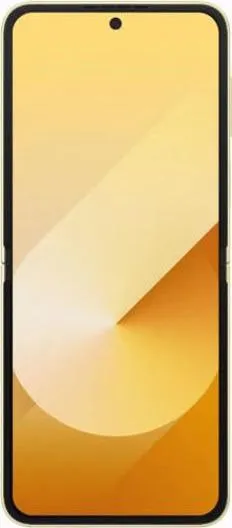
Google Pixel 8 Pro vs. Samsung Galaxy Z Flip6: A Deep Dive
Let's dissect the Google Pixel 8 Pro and the Samsung Galaxy Z Flip6, two compelling smartphones with distinct personalities. We'll go beyond the spec sheet to uncover what these devices offer in real-world usage.
1. Specifications Breakdown
| Feature | Google Pixel 8 Pro | Samsung Galaxy Z Flip6 | Real-World Implications |
|---|---|---|---|
| Design | |||
| Dimensions | 162.6 x 76.5 x 8.8 mm | 165.1 x 71.9 x 6.9 mm (unfolded) | Pixel 8 Pro is slightly larger; Z Flip6's compact folded size offers unparalleled portability. |
| Weight | 213g | 187g | Z Flip6 is noticeably lighter, reducing hand fatigue. |
| Foldable | No | Yes | Z Flip6 offers unique form factor and pocketability, but with potential durability trade-offs. |
| Display | |||
| Size | 6.7" | 6.7" | Identical screen real estate for immersive content consumption. |
| Type | LTPO OLED | Foldable Dynamic AMOLED 2X | Both offer vibrant colors and deep blacks; Z Flip6's folding screen introduces a crease. |
| Resolution | 1344 x 2992 | 1080 x 2640 | Pixel 8 Pro boasts sharper visuals due to higher pixel density. |
| Refresh Rate | 120Hz | 120Hz | Both deliver smooth scrolling and animations. |
| Peak Brightness | 2400 nits | 2600 nits | Z Flip6 might offer slightly better visibility in direct sunlight. |
| Performance | |||
| Chipset | Google Tensor G3 | Snapdragon 8 Gen 3 | Snapdragon 8 Gen 3 generally benchmarks higher in raw performance, potentially impacting demanding tasks. |
| CPU | Nona-core | Octa-core | Core configuration differences may subtly affect multitasking and efficiency. |
| GPU | Immortalis-G715s MC10 | Adreno 750 | Adreno 750 is expected to offer superior gaming performance. |
| RAM | 12GB | 12GB | Both offer ample RAM for smooth multitasking. |
| Battery Life | |||
| Capacity | 5050 mAh | 4000 mAh | Pixel 8 Pro likely offers longer battery life due to larger capacity. |
2. Key Insights
Pixel 8 Pro: Excels in computational photography, AI-driven features, and potentially longer battery life. Its higher resolution display offers sharper visuals. Tensor G3, while powerful, might not match Snapdragon 8 Gen 3 in benchmark scores but excels in AI tasks.
Galaxy Z Flip6: The star of the show is its foldable design. Its compact size when folded is unmatched for portability. The Snapdragon 8 Gen 3 likely offers a performance edge in demanding tasks and gaming. The unique form factor allows for flex mode photography and hands-free video calls.
3. User Profiles and Recommendations
Pixel 8 Pro: Ideal for users prioritizing camera quality, AI features, a clean Android experience, and long battery life. Great for photographers, content creators, and power users.
Galaxy Z Flip6: Perfect for those who value portability, style, and a unique user experience above all else. Appeals to trendsetters, social media enthusiasts, and users who prioritize compact size.
4. Buying Decision Framework
- Is pocketability your top priority? If yes, the Z Flip6's compact folded size is a game-changer.
- Do you prioritize camera quality and AI features? If yes, the Pixel 8 Pro's camera system and Tensor G3 chip are likely a better fit.
- Is a foldable design a must-have, or are you comfortable with a traditional slab phone? This will heavily influence your decision.
My Choice: As Alex Griffin, I would choose the Pixel 8 Pro. While the Z Flip6's foldable design is undeniably cool, I prioritize camera quality, software experience, and battery life. The Pixel consistently delivers in these areas. The sharper display and potentially longer battery life of the Pixel 8 Pro better suit my workflow and daily usage. The Tensor G3's AI capabilities, especially in photography, are incredibly appealing. While I appreciate the Z Flip6's innovation, the Pixel 8 Pro aligns better with my needs as a tech journalist and power user.
