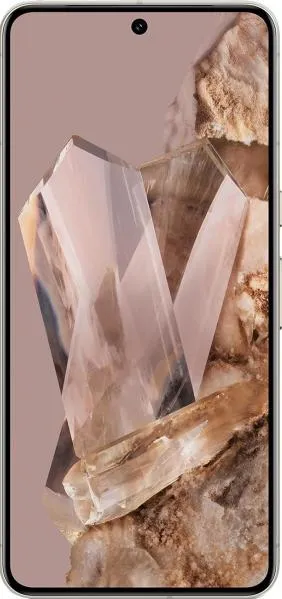
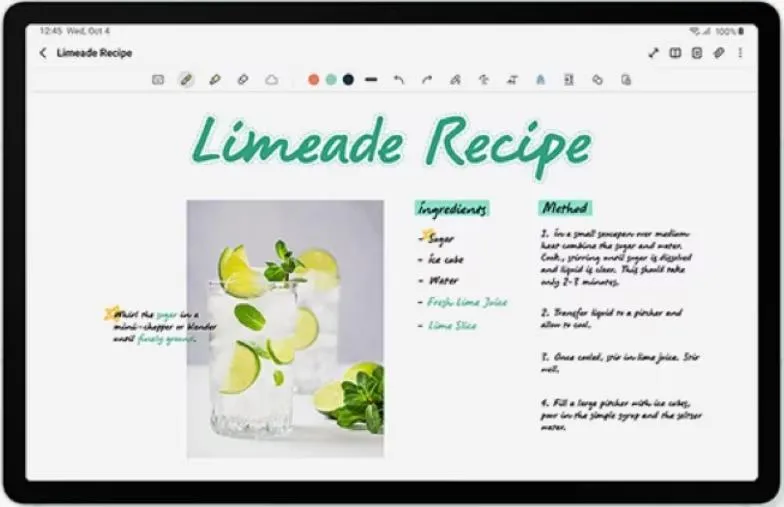
Let's dive into a comparative analysis of the Google Pixel 8 Pro and the Samsung Galaxy Tab S9 FE+, dissecting their technical specifications and translating them into real-world user experiences.
1. Specifications Breakdown
| Feature | Google Pixel 8 Pro | Samsung Galaxy Tab S9 FE+ | Real-World Implications |
|---|---|---|---|
| Design | |||
| Dimensions | 162.6 x 76.5 x 8.8 mm | 285.4 x 185.4 x 6.5 mm | Pixel 8 Pro: pocketable phone; Tab S9 FE+: large-screen tablet |
| Weight | 213g | 627g | Pixel 8 Pro: comfortable one-handed use; Tab S9 FE+: noticeable heft, better for two-handed use or on a surface |
| Display | |||
| Display Type | LTPO OLED, 120Hz | IPS LCD, 90Hz | Pixel 8 Pro: superior contrast, deeper blacks, smoother scrolling; Tab S9 FE+: wider viewing angles, potentially better in direct sunlight |
| Resolution | 1344 x 2992 | 1600 x 2560 | Both sharp, but Pixel 8 Pro slightly denser |
| Peak Brightness | 2400 nits | Not specified | Pixel 8 Pro: exceptional outdoor visibility |
| Performance | |||
| Chipset | Google Tensor G3 | Exynos 1380 | Pixel 8 Pro: likely superior AI processing and overall performance; Tab S9 FE+: solid mid-range performance |
| CPU | Nona-core | Octa-core | Both capable for daily tasks, but Pixel 8 Pro likely handles demanding apps better |
| RAM | 12GB | 12GB | Ample memory for multitasking on both devices |
| Storage | 256/512/1000GB | 256GB | Pixel 8 Pro offers more storage options |
| Camera | |||
| Video Capabilities | 4K@60fps, 1080p@240fps | 4K@30fps | Pixel 8 Pro: significantly better video recording capabilities |
| Battery Life | |||
| Capacity | 5050 mAh | 10090 mAh | Tab S9 FE+: much larger battery, expect significantly longer battery life |
| Other | |||
| OS | Android 14 | Android 13 | Pixel 8 Pro: latest Android version with longer software support |
| NFC | Yes | No | Pixel 8 Pro: enables mobile payments and device pairing |
2. Key Insights
The Pixel 8 Pro shines with its cutting-edge technology: a brilliant OLED display, powerful Tensor G3 chip, superior camera capabilities, and the latest Android software. Its compact form factor makes it ideal for one-handed use.
The Tab S9 FE+, on the other hand, prioritizes content consumption with its large 12.4-inch display and massive battery. While its performance is respectable, it's not in the same league as the Pixel 8 Pro. The lack of NFC is a notable omission.
3. User Profiles and Recommendations
Pixel 8 Pro: Ideal for users who demand top-tier performance, a premium camera, and a pocketable device. Power users, photographers, and videographers will appreciate its capabilities.
Tab S9 FE+: Best suited for users who prioritize media consumption, browsing, and light productivity on a large screen. Students, casual gamers, and those who value long battery life will find it appealing.
4. Buying Decision Framework
- What is your primary use case? Content consumption vs. all-around performance and portability.
- What is your budget? Both are mid-range, but specific pricing needs to be considered.
- How important is portability? A phone vs. a tablet has significantly different portability implications.
My Choice: Google Pixel 8 Pro
If I had to choose, I'd go with the Google Pixel 8 Pro. While the Tab S9 FE+'s large screen and battery are tempting, the Pixel 8 Pro's superior overall performance, cutting-edge camera technology, and compact form factor better align with my needs. As someone who values having the latest technology and a device that can handle demanding tasks, the Pixel 8 Pro's Tensor G3 chip and refined software experience are major draws. The brighter, more vibrant display and inclusion of NFC for mobile payments further solidify my preference. While battery life might be a concern, I prioritize performance and portability over sheer longevity. The Tab S9 FE+ is a solid tablet for media consumption, but the Pixel 8 Pro offers a more well-rounded, future-proof package.
