
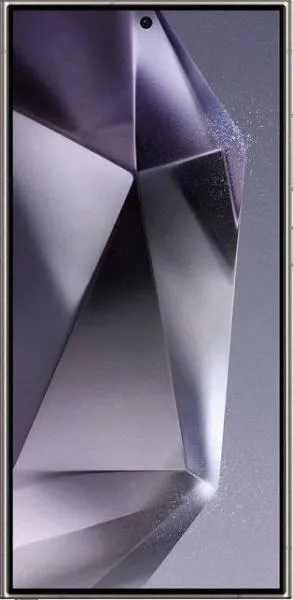
Google Pixel 8 Pro vs. Samsung Galaxy S24 Ultra: A Deep Dive
Let's dissect the Google Pixel 8 Pro and Samsung Galaxy S24 Ultra, two titans vying for the top spot in the Android arena. I'll break down the specs, translate them into real-world experiences, and help you decide which phone might be your perfect pocket companion.
1. Specifications Breakdown
| Feature | Google Pixel 8 Pro | Samsung Galaxy S24 Ultra | Real-World Implications |
|---|---|---|---|
| Design | |||
| Dimensions | 162.6 x 76.5 x 8.8 mm | 162.3 x 79 x 8.6 mm | S24 Ultra slightly narrower, thicker; Pixel 8 Pro potentially more comfortable for one-handed use. |
| Weight | 213g | 232g | Pixel 8 Pro noticeably lighter, reducing hand fatigue during extended use. |
| Display | |||
| Size | 6.7" | 6.8" | Negligible difference in screen real estate; both offer immersive viewing experiences. |
| Type | LTPO OLED | Dynamic AMOLED 2X | Both offer excellent color accuracy and deep blacks; AMOLED 2X potentially brighter, more vibrant. |
| Resolution | 1344 x 2992 | 1440 x 3120 | S24 Ultra slightly sharper, but difference barely noticeable in daily use. |
| Peak Brightness | 2400 nits | 2600 nits | S24 Ultra boasts slightly higher peak brightness, improving outdoor visibility. |
| Refresh Rate | 120Hz | 120Hz | Both deliver smooth scrolling and animations. |
| Performance | |||
| Chipset | Google Tensor G3 | Snapdragon 8 Gen 3 | Both are flagship chipsets, promising top-tier performance; Snapdragon generally known for raw power, Tensor for AI optimization. |
| CPU | Nona-core | Octa-core | Core configuration differences less crucial than overall performance and efficiency in real-world usage. |
| GPU | Immortalis-G715s MC10 | Adreno 750 | Both GPUs capable of handling demanding games and tasks; Adreno generally considered more powerful for graphics-intensive workloads. |
| RAM | 12GB | 12GB | Ample RAM for multitasking and demanding applications on both devices. |
| Battery Life | |||
| Capacity | 5050 mAh | 5000 mAh | Marginally larger battery in the Pixel, but real-world battery life depends on optimization and usage patterns. |
2. Key Insights
- Performance: The Snapdragon 8 Gen 3 in the S24 Ultra likely edges out the Tensor G3 in raw benchmarks, especially in gaming. However, Tensor excels in AI-powered features, like voice recognition and photography.
- Display: While the S24 Ultra boasts a slightly brighter and sharper display, the Pixel 8 Pro's LTPO panel might offer better power efficiency. Both displays are top-notch, delivering vibrant visuals.
- Software: Pixel offers a pure Android experience with faster updates, while Samsung's One UI adds customization options but might introduce bloatware.
- Camera: While specific camera sensor details are missing, Pixel is renowned for its computational photography prowess, potentially outperforming Samsung in certain scenarios despite potentially lower hardware specs.
3. User Profiles and Recommendations
- Pixel 8 Pro: Ideal for users prioritizing a clean Android experience, timely updates, top-notch camera performance, and AI-powered features. Excellent for photographers and those seeking seamless integration with Google services.
- Galaxy S24 Ultra: Best suited for power users demanding peak performance, a vibrant display, and extensive customization options. A strong choice for gamers, content creators, and those who value feature richness.
4. Buying Decision Framework
- What kind of Android experience do you prefer? Pure Android (Pixel) or feature-rich customization (Samsung)?
- What are your top priorities? Camera, performance, battery life, software updates?
- What's your budget? Both phones fall in the "medium price" range, but specific pricing will influence the value proposition.
My Choice: Pixel 8 Pro
While the S24 Ultra boasts impressive specs, I'd choose the Pixel 8 Pro. The lighter weight, cleaner software experience with guaranteed faster updates, and Google's consistent excellence in computational photography are compelling factors for me. I prioritize a smooth, intuitive user experience, timely updates, and a camera that consistently delivers stunning results without needing to fiddle with settings. The Pixel 8 Pro aligns perfectly with these preferences. Plus, the slightly larger battery is a welcome bonus. While I respect the raw power of the S24 Ultra, the Pixel's overall package resonates more with my personal needs and priorities.
