
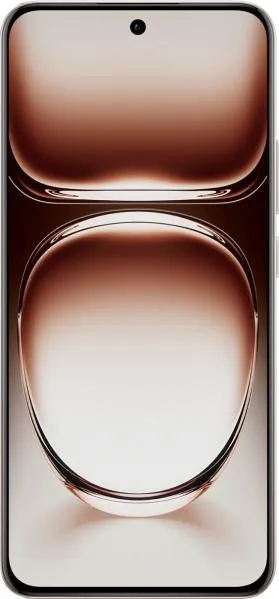
Let's dive into a comparative analysis of the Google Pixel 8 Pro and the Oppo Reno12, dissecting their specifications and translating them into real-world user experiences.
1. Specifications Breakdown
| Feature | Google Pixel 8 Pro | Oppo Reno12 | Real-World Implications |
|---|---|---|---|
| Design | |||
| Dimensions | 162.6 x 76.5 x 8.8 mm | 161.4 x 74.1 x 7.6 mm | Pixel 8 Pro slightly larger, but Reno12 significantly thinner. Impacts pocketability and one-handed use. |
| Weight | 213g | 177g | Reno12 noticeably lighter, reducing hand fatigue during extended use. |
| Build Materials | Glass/Aluminum | Glass/Plastic | Pixel 8 Pro's aluminum frame may offer better durability. |
| Display | |||
| Display Type | LTPO OLED | AMOLED | Both offer vibrant colors and deep blacks. LTPO allows for more granular refresh rate control, saving battery. |
| Size | 6.7" | 6.7" | Identical screen sizes offer ample viewing space for media consumption. |
| Resolution | 1344 x 2992 | 1080 x 2412 | Pixel 8 Pro's higher resolution delivers sharper text and images, noticeable in VR applications and detailed photos. |
| Refresh Rate | 120Hz | 120Hz | Both offer smooth scrolling and animations. |
| Peak Brightness | 2400 nits | 1200 nits | Pixel 8 Pro significantly brighter, ensuring better visibility outdoors. |
| Performance | |||
| Chipset | Google Tensor G3 | Dimensity 7300 | Tensor G3 likely offers superior AI processing and overall performance, impacting responsiveness and multitasking. |
| CPU | Nona-core | Octa-core | Tensor G3's unique core configuration may offer performance advantages in specific tasks. |
| GPU | Immortalis-G715s MC10 | Mali-G615 MC2 | Immortalis-G715 MC10 provides a significant boost in graphics performance for demanding games and applications. |
| RAM | 12GB | 12GB | Both offer ample RAM for smooth multitasking. |
| Storage | 256/512/1000GB | 512GB | Pixel offers more storage options for users with extensive media libraries. |
| Battery | |||
| Capacity | 5050 mAh | 5000 mAh | Negligible difference in battery capacity; real-world battery life depends on optimization and usage patterns. |
| Other | |||
| OS | Android 14 | Android 14 | Pixel likely to receive faster and longer software updates. |
| USB | USB Type-C 3.2 | USB Type-C 2.0 | Faster data transfer speeds on the Pixel 8 Pro. |
2. Key Insights
The Pixel 8 Pro positions itself as a premium flagship with its cutting-edge Tensor G3 chip, brilliant display, and advanced camera features. Its strengths lie in AI-powered capabilities, raw performance, and a refined software experience.
The Oppo Reno12, while offering a compelling package with a sleek design and capable hardware, focuses on providing a balanced experience at a potentially more competitive price point. Its advantages include a lighter weight and potentially longer battery life due to a less demanding processor.
3. User Profiles and Recommendations
Pixel 8 Pro: Ideal for power users, photographers, and tech enthusiasts who demand top-tier performance, the latest software innovations, and a superior camera system.
Oppo Reno12: Suitable for users seeking a stylish, lightweight device with a smooth display and good overall performance for everyday tasks, social media, and light gaming.
4. Buying Decision Framework
- What is your budget? The Pixel 8 Pro commands a higher price, reflecting its premium features.
- What are your performance needs? For demanding tasks and gaming, the Pixel 8 Pro's Tensor G3 provides a significant advantage.
- How important is software and camera quality? The Pixel excels in both areas, offering a pure Android experience with rapid updates and a class-leading camera.
My Choice: Google Pixel 8 Pro
While the Oppo Reno12 presents a compelling option for the price, the Pixel 8 Pro's superior performance, cutting-edge AI capabilities, brighter display, faster charging, and commitment to timely software updates make it the clear winner for me. As a tech enthusiast who values a seamless and future-proof experience, the Pixel's advantages in key areas outweigh the Reno12's lighter weight and potentially longer battery life (though real-world usage will determine this). The Pixel's superior camera system, driven by Google's computational photography prowess, is also a significant factor. Furthermore, the faster data transfer speeds offered by the USB 3.2 standard are crucial for my workflow. Ultimately, the Pixel 8 Pro aligns better with my needs and priorities, offering a more compelling blend of performance, innovation, and long-term value.
