
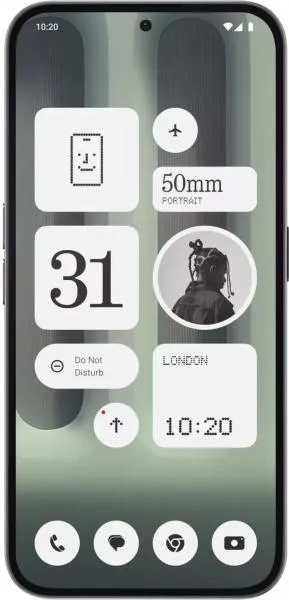
Google Pixel 8 Pro vs. Nothing Phone (2a) Plus: A Deep Dive
Let's dissect the Google Pixel 8 Pro and the Nothing Phone (2a) Plus, going beyond the spec sheets to understand what these devices offer in the real world.
1. Specifications Breakdown
| Feature | Google Pixel 8 Pro | Nothing Phone (2a) Plus | Real-World Implications |
|---|---|---|---|
| Design | |||
| Dimensions | 162.6 x 76.5 x 8.8 mm | 161.7 x 76.3 x 8.5 mm | Virtually identical in size and feel. |
| Weight | 213g | 190g | Noticeably lighter feel in the hand for the Nothing Phone. |
| Build | Glass/Aluminum | Glass/Aluminum | Premium build quality expected from both. Durability will depend on real-world drop tests. |
| Display | |||
| Size | 6.7" | 6.7" | Large display ideal for media consumption and multitasking on both. |
| Type | LTPO OLED | AMOLED | Pixel's LTPO allows for more granular refresh rate control, potentially saving battery. |
| Resolution | 1344 x 2992 | 1080 x 2412 | Pixel has a sharper display (489 ppi vs 395 ppi), noticeable in fine text and images. |
| Peak Brightness | 2400 nits | 1300 nits | Pixel significantly brighter outdoors. |
| Refresh Rate | 120Hz | 120Hz | Smooth scrolling and animations on both. |
| Performance | |||
| Chipset | Google Tensor G3 | MediaTek Dimensity 7350 Pro | Tensor G3 likely to have AI advantages; Dimensity 7350 Pro focuses on raw performance. |
| CPU | Nona-core | Octa-core | Core count less important than architecture; real-world performance testing is key. |
| GPU | Immortalis-G715s MC10 | Mali-G610 MC4 | Immortalis-G715s MC10 generally expected to provide better gaming performance. |
| RAM | 12GB | 12GB | Ample RAM for smooth multitasking on both. |
| Battery | |||
| Capacity | 5050 mAh | 5000 mAh | Negligible difference in battery capacity. Real-world usage will determine battery life. |
| Charging | Not specified | Not specified | Fast charging speeds crucial for modern smartphones. Missing data point. |
2. Key Insights
- Display: The Pixel 8 Pro boasts a superior display with higher resolution and significantly brighter peak brightness, making it more legible outdoors. Its LTPO panel allows for dynamic refresh rate adjustments, potentially leading to better battery life.
- Performance: While both phones have 12GB RAM, the Tensor G3 chip in the Pixel is likely to excel in AI-driven tasks, while the Dimensity 7350 Pro might offer advantages in certain raw performance benchmarks. Gaming performance likely favors the Pixel due to the more powerful GPU.
- Software: Pixel's advantage lies in its pure Android experience with guaranteed updates and unique Google features. The Nothing Phone offers a near-stock Android experience, but long-term software support remains to be seen.
- Price: Both fall into the "medium price" range, making value a key consideration. The specific price difference will be crucial in determining the overall winner.
3. User Profiles and Recommendations
- Pixel 8 Pro: Best for users prioritizing camera quality, a vibrant and bright display, pure Android experience with timely updates, and Google's AI-powered features.
- Nothing Phone (2a) Plus: Best for users seeking a distinctive design, a clean Android experience, and solid performance at a potentially more competitive price.
4. Buying Decision Framework
- Are you a photography enthusiast? If yes, the Pixel 8 Pro is the likely winner.
- Is display quality a top priority? The Pixel's brighter and sharper screen makes it a clear choice.
- How important is software support and a pure Android experience? The Pixel offers guaranteed updates and unique Google features.
My Choice: I would choose the Google Pixel 8 Pro. While the Nothing Phone offers a compelling design and potentially a lower price, the Pixel's superior display, likely performance advantages, and the guaranteed Android updates combined with Google's AI features are decisive factors for me. The brighter display is a major selling point for outdoor use, and I value the software support and ecosystem advantages Google offers. I am willing to pay a premium for these features. However, if budget is a primary concern and the price difference is significant, the Nothing Phone (2a) Plus could be a strong contender, especially pending real-world performance reviews.
