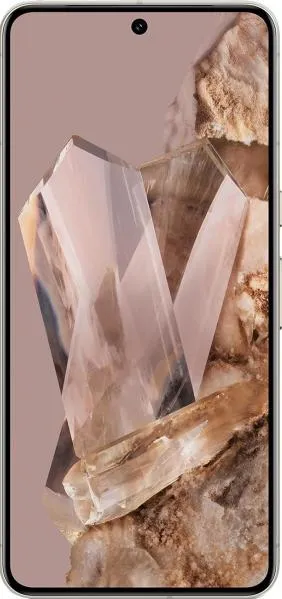
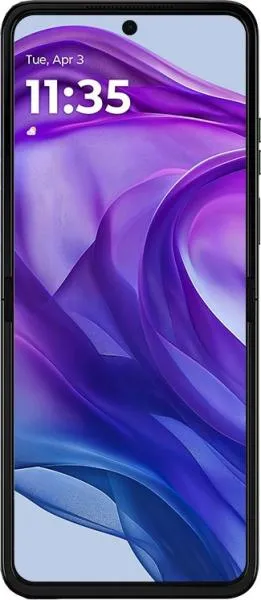
Let's dive into a comparative analysis of the Google Pixel 8 Pro and the Motorola Razr 50 Ultra, two intriguing devices vying for your attention in the smartphone arena.
1. Specifications Breakdown
| Feature | Google Pixel 8 Pro | Motorola Razr 50 Ultra | Real-World Implications |
|---|---|---|---|
| Design | Slab | Foldable clamshell | Razr offers compact portability, Pixel prioritizes a larger, uninterrupted screen. |
| Dimensions | 162.6 x 76.5 x 8.8 mm | 171.4 x 74 x 7.1mm (Unfolded), 88.4 x 74 x 15.1 mm (Folded) | Razr significantly smaller when folded, Pixel easier to hold with one hand when unfolded. |
| Weight | 213g | 189g | Razr feels lighter despite larger unfolded size. |
| Display | 6.7" LTPO OLED, 120Hz | 6.9" Foldable LTPO AMOLED, 165Hz | Razr boasts higher refresh rate for smoother visuals and a larger screen, but with a crease. Pixel offers consistent, flat viewing experience. |
| Resolution | 1344 x 2992 | 1080 x 2640 | Pixel packs higher pixel density (sharper image), Razr offers a taller aspect ratio. |
| Peak Brightness | 2400 nits | 3000 nits | Razr's screen significantly brighter for better outdoor visibility. |
| Performance | Google Tensor G3 (4nm) | Qualcomm Snapdragon 8+ Gen 1 (4nm) | Both are high-end chipsets, but benchmarks will reveal specific strengths in CPU/GPU tasks. |
| RAM | 12GB | 12GB | Ample RAM for multitasking on both devices. |
| Storage | 256GB/512GB/1TB | 256GB | Pixel offers more storage options for power users. |
| Camera | Specs Not Provided | Specs Not Provided | Cannot compare without detailed camera specs. |
| Battery Life | 5050 mAh | 3800 mAh | Pixel likely to offer longer battery life due to higher capacity. |
| OS | Android 14 | Android 13 | Both run the latest Android version, but Pixel may receive updates for a longer period. |
| Other | Fingerprint (under display), Thermometer | Fingerprint (side-mounted) | Pixel offers more advanced biometric sensing with the under-display fingerprint sensor and temperature sensor. |
2. Key Insights
- Form Factor is King: The most significant difference lies in the foldable nature of the Razr. It offers unmatched portability, but the crease and potential durability concerns of a foldable screen are factors to consider. The Pixel's traditional slab design provides a more familiar, uninterrupted viewing experience.
- Display Delicates: While the Razr boasts a higher refresh rate and peak brightness, the Pixel counters with a sharper display due to its higher resolution. The crease on the Razr's folding screen might bother some users.
- Performance Parity: Both phones feature powerful processors, but the Tensor G3 in the Pixel is likely to excel in AI-driven tasks, while the Snapdragon 8+ Gen 1 in the Razr may have a slight edge in raw processing power. Real-world performance will depend heavily on optimization.
- Battery Endurance: The Pixel's substantially larger battery capacity suggests significantly longer battery life. The Razr's smaller battery is a trade-off for its compact folded size.
3. User Profiles and Recommendations
- Pixel 8 Pro: Ideal for users who prioritize a large, uninterrupted display, excellent camera capabilities (assumed based on Pixel history), long battery life, and a clean Android experience with timely updates. Content creators, photographers, and power users would gravitate towards the Pixel.
- Razr 50 Ultra: Perfect for users who value portability and style above all else. The compact folded size is a game-changer for pocket carry. The external display adds functionality even when folded. Fashion-conscious users and those constantly on the move will appreciate the Razr.
4. Buying Decision Framework
- Question 1: How important is portability to you? If ultimate pocketability is paramount, the Razr wins.
- Question 2: Do you prioritize a large, seamless display for media consumption and productivity? If yes, the Pixel is the better choice.
- Question 3: How much emphasis do you place on battery life? The Pixel likely offers superior endurance.
My Choice: As a tech journalist who values a robust, reliable device for content creation and multitasking, I would choose the Pixel 8 Pro. While the Razr's foldable design is undeniably cool, the Pixel's larger battery, higher resolution display, and the promise of longer software updates make it a more practical choice for my needs. I prefer the uninterrupted screen experience for writing and editing, and the extra battery life is essential for long days covering tech events. I also appreciate the Pixel's typically excellent camera performance, although we lack specifics in this comparison.
