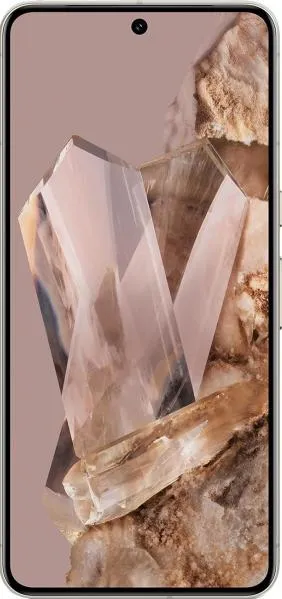
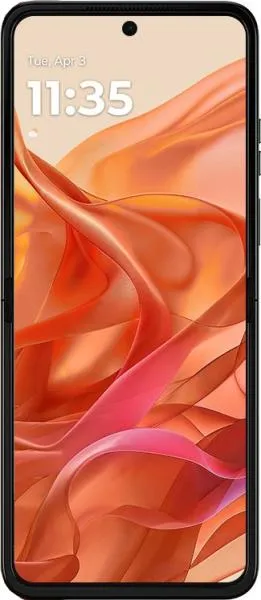
Let's dive into a comparative analysis of the Google Pixel 8 Pro and the Motorola Razr 50, translating these specs into real-world experiences.
1. Specifications Breakdown
| Feature | Google Pixel 8 Pro | Motorola Razr 50 | Real-World Implications |
|---|---|---|---|
| Design | |||
| Dimensions | 162.6 x 76.5 x 8.8 mm | 171.3 x 74 x 7.3 mm (Unfolded) | Razr 50 is significantly more compact when folded, enhancing portability. Pixel 8 Pro feels more substantial in hand. |
| Weight | 213g | 188.4g | Razr 50 is noticeably lighter, reducing hand fatigue. |
| Foldable | No | Yes | Razr 50 offers the unique functionality and compact form factor of a foldable phone. |
| Display | |||
| Size | 6.7" | 6.9" | Razr 50 boasts a slightly larger screen, providing more immersive content consumption when unfolded. |
| Type | LTPO OLED | Foldable LTPO AMOLED | Both offer excellent color accuracy and smooth scrolling, but Razr 50's folding display introduces a crease. |
| Resolution | 1344 x 2992 | 1080 x 2640 | Pixel 8 Pro has a sharper display (higher pixel density), resulting in crisper text and images. |
| Peak Brightness | 2400 nits | 3000 nits | Razr 50 can get significantly brighter, improving outdoor visibility. |
| Performance | |||
| Chipset | Google Tensor G3 | Dimensity 7300X | Tensor G3 is expected to offer superior AI processing and overall performance, especially in demanding tasks. |
| CPU | Nona-core | Octa-core | Both offer strong multi-core performance, but Tensor G3's architecture may provide an edge in sustained performance. |
| GPU | Immortalis-G715s MC10 | Mali-G615 MC2 | Pixel 8 Pro's GPU is likely more powerful, delivering smoother gaming and graphics-intensive applications. |
| RAM | 12GB | 12GB | Both offer ample RAM for multitasking and smooth operation. |
| Battery Life | |||
| Capacity | 5050 mAh | 4200 mAh | Pixel 8 Pro has a larger battery, potentially leading to longer usage time. |
| Other | |||
| OS | Android 14 | Android 14 | Both run the latest Android version, offering similar software features. |
| Storage | 256GB, 512GB, 1TB | 512GB | Pixel 8 Pro offers more storage options. |
2. Key Insights
Pixel 8 Pro: Excels in overall performance, display sharpness, and potentially battery life. Its Tensor G3 chip promises a superior AI-driven experience. It's a powerhouse for demanding tasks, photography, and general use.
Razr 50: Offers a unique, pocketable design due to its foldable display. It compromises slightly on raw performance and battery capacity but compensates with its innovative form factor and brighter screen for outdoor use.
3. User Profiles and Recommendations
Pixel 8 Pro: Ideal for users prioritizing performance, a large, sharp display, and long battery life. Power users, photographers, and gamers would appreciate its capabilities.
Razr 50: Best suited for users who value portability and a unique, stylish design above all else. Individuals constantly on the move who prefer a compact device will find the Razr 50 appealing.
4. Buying Decision Framework
- Is portability your top priority? If yes, the Razr 50's foldable design is hard to beat.
- Do you need the absolute best performance and camera? The Pixel 8 Pro likely has the edge in these areas.
- What's your budget and desired storage capacity? Consider the price difference and storage options available for each phone.
My Choice
Personally, I would choose the Pixel 8 Pro. While the Razr 50's foldable design is undeniably cool, I prioritize raw performance, a seamless display (without a crease), and a larger battery. The Pixel's superior camera system and Tensor G3's AI capabilities also heavily influence my decision. I appreciate the potential for innovative software features and optimized performance that Google's custom chip offers. As a tech enthusiast who often pushes devices to their limits, the Pixel 8 Pro aligns better with my needs and usage patterns. I'm willing to trade the compactness of a foldable for the superior overall experience the Pixel provides.
