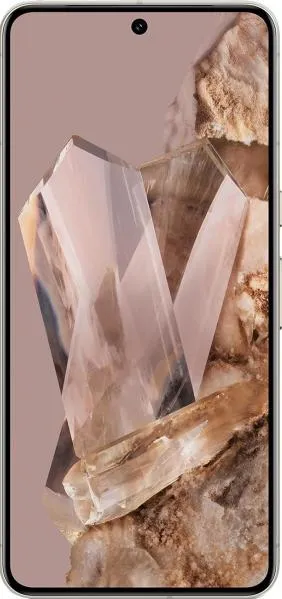
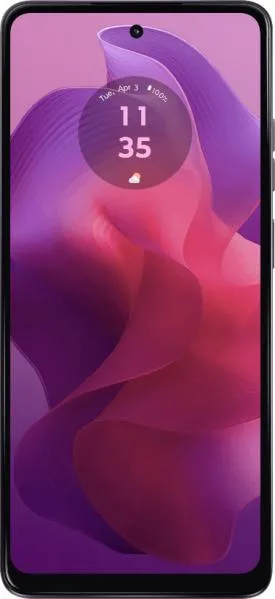
Let's dive into a comparative analysis of the Google Pixel 8 Pro and the Motorola Moto G24, dissecting their specifications and translating them into real-world implications for you.
1. Specifications Breakdown
| Feature | Google Pixel 8 Pro | Motorola Moto G24 | Real-World Implications |
|---|---|---|---|
| Design | |||
| Dimensions | 162.6 x 76.5 x 8.8mm | 163.5 x 74.5 x 8mm | Pixel 8 Pro is slightly shorter and wider. Negligible difference in hand feel for most users. |
| Weight | 213g | 181g | Moto G24 is noticeably lighter, reducing hand fatigue during extended use. |
| Build Materials | Glass, Aluminum | Plastic | Pixel 8 Pro offers a more premium feel and potentially better durability. Moto G24 prioritizes affordability with a plastic build. |
| Display | |||
| Display Type | LTPO OLED | IPS LCD | Pixel 8 Pro delivers superior contrast, deeper blacks, and vibrant colors due to OLED technology. |
| Size | 6.7" | 6.56" | Pixel 8 Pro offers a slightly larger screen for more immersive content consumption. |
| Resolution | 1344 x 2992 | 720 x 1612 | Pixel 8 Pro boasts significantly sharper visuals due to much higher resolution. Moto G24's resolution is noticeably lower. |
| Refresh Rate | 120Hz | 90Hz | Pixel 8 Pro provides smoother scrolling and animations thanks to the higher refresh rate. |
| Peak Brightness | 2400 nits | 537 nits | Pixel 8 Pro's display is vastly brighter, ensuring excellent visibility even in direct sunlight. Moto G24 may struggle outdoors. |
| Performance | |||
| Chipset | Google Tensor G3 | Helio G85 | Pixel 8 Pro's Tensor G3 offers significantly faster processing, enabling seamless multitasking and demanding gaming. |
| CPU | Nona-core | Octa-core | Pixel 8 Pro's more advanced CPU architecture delivers superior performance per core. |
| GPU | Immortalis-G715s MC10 | Mali-G52 MC2 | Pixel 8 Pro's GPU provides a substantial leap in graphics performance for gaming and visually intensive tasks. |
| RAM | 12GB | 8GB | Pixel 8 Pro offers more RAM, allowing for smoother multitasking and keeping more apps open in the background. |
| Battery | |||
| Capacity | 5050 mAh | 5000 mAh | Nearly identical battery capacities, but real-world battery life will depend on software optimization and usage patterns. |
| Other | |||
| OS | Android 14 | Android 14 | Both phones run the latest Android version, offering the newest features and security updates. |
| Storage | 256GB, 512GB, 1TB | 128GB | Pixel 8 Pro provides significantly more storage options for users with large media libraries or who install many apps. |
| Price Range | Medium | Low | Moto G24 is positioned as a budget-friendly option, while the Pixel 8 Pro targets the premium segment. |
2. Key Insights
The Pixel 8 Pro is a clear flagship contender, boasting a cutting-edge display, powerful processor, ample RAM, and a refined design. Its strengths lie in delivering a premium, high-performance experience across the board. The Moto G24, on the other hand, prioritizes affordability. It makes compromises in processing power, display quality, and storage capacity.
3. User Profiles and Recommendations
Pixel 8 Pro: Ideal for power users, photographers, gamers, and anyone who demands top-tier performance and a premium experience. If you value a stunning display, smooth multitasking, and the latest advancements in mobile technology, the Pixel 8 Pro is a strong contender.
Moto G24: Best suited for budget-conscious users who prioritize essential smartphone functionalities like calling, texting, browsing, and social media. It's a good option for those seeking a reliable device without breaking the bank.
4. Buying Decision Framework
- What is your budget? If price is a primary concern, the Moto G24 is the more affordable option.
- What are your performance expectations? For demanding tasks like gaming or heavy multitasking, the Pixel 8 Pro is significantly more powerful.
- How important is display quality? The Pixel 8 Pro's OLED display offers a dramatically better visual experience compared to the Moto G24's LCD.
My Choice: As a tech journalist who frequently uses demanding applications and appreciates cutting-edge technology, I would choose the Pixel 8 Pro. The superior display, significantly faster processor, increased RAM, and larger storage options align perfectly with my workflow and personal preferences. While the Moto G24 is a commendable budget device, the Pixel 8 Pro's performance advantages and premium features justify the higher price for my needs. The smoother user experience, vibrant display, and ability to handle any task I throw at it are invaluable to me.
