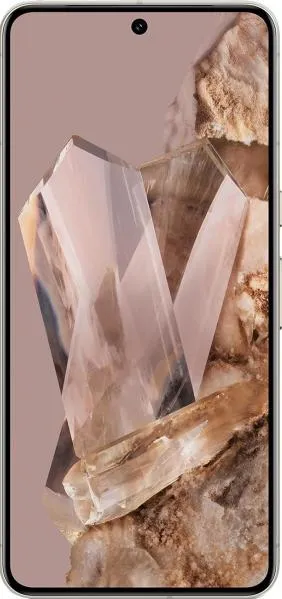
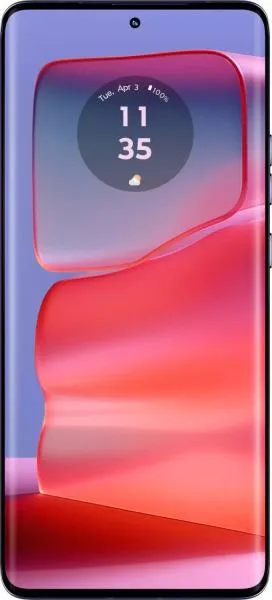
Google Pixel 8 Pro vs. Motorola Edge 50 Pro: A Deep Dive
Let's dissect the Google Pixel 8 Pro and the Motorola Edge 50 Pro, translating their spec sheets into real-world experiences. Both phones aim for the "medium price" segment, but their strengths cater to different user priorities.
1. Specifications Breakdown
| Feature | Google Pixel 8 Pro | Motorola Edge 50 Pro | Real-World Implications |
|---|---|---|---|
| Design | |||
| Dimensions | 162.6 x 76.5 x 8.8mm | 161.2 x 72.4 x 8.2mm | Edge 50 Pro slightly smaller and thinner |
| Weight | 213g | 186g | Edge 50 Pro noticeably lighter |
| Display | |||
| Size | 6.7" | 6.7" | Identical screen real estate |
| Type | LTPO OLED | P-OLED | Pixel 8 Pro likely more power efficient due to LTPO |
| Resolution | 1344 x 2992 | 1220 x 2712 | Pixel 8 Pro sharper (higher pixel density) |
| Refresh Rate | 120Hz | 144Hz | Edge 50 Pro smoother scrolling and animations, potentially impacting battery life more. |
| Peak Brightness | 2400 nits | 2000 nits | Pixel 8 Pro better outdoor visibility |
| Performance | |||
| Chipset | Google Tensor G3 | Snapdragon 7 Gen 3 | Tensor G3 expected to excel in AI tasks, Snapdragon 7 Gen 3 in general performance and graphics. |
| CPU | Nona-core | Octa-core | Core configuration nuances likely negligible for average users |
| GPU | Immortalis-G715s MC10 | Adreno 720 | Adreno 720 likely stronger in gaming, Immortalis-G715s MC10 possibly better optimized for Pixel's software |
| RAM | 12GB | 12GB | Both offer ample RAM for multitasking |
| Storage | 256/512/1000GB | 256/512GB | Pixel 8 Pro offers a 1TB option for power users |
| Battery Life | |||
| Capacity | 5050 mAh | 4500 mAh | Pixel's larger battery and LTPO display suggest longer endurance. |
| Other | |||
| OS | Android 14 | Android 14 | Pixel expected to receive faster and longer updates |
| Sensors | More comprehensive | Standard | Pixel 8 Pro includes unique sensors like a skin thermometer |
2. Key Insights
Display Prowess: While both phones boast vibrant OLED displays, the Pixel 8 Pro's LTPO panel likely consumes less power, contributing to better battery life. Its higher resolution results in sharper visuals, although the Edge 50 Pro's faster refresh rate offers smoother animations.
Performance Paradigm: The Tensor G3 is purpose-built for AI integration, potentially offering superior experiences with Google's services, especially in photography and voice assistance. The Snapdragon 7 Gen 3 likely holds a slight edge in raw processing power and gaming performance.
Endurance Expectations: The Pixel 8 Pro's larger battery and more power-efficient display suggest a longer lifespan per charge.
Software Story: Google's commitment to rapid and long-term software updates gives the Pixel 8 Pro a clear advantage in the Android ecosystem.
3. User Profiles and Recommendations
Pixel 8 Pro: Ideal for users prioritizing a seamless Google ecosystem experience, top-notch camera performance, AI features, long battery life, and timely software updates.
Edge 50 Pro: A compelling option for users seeking a smoother display experience, potentially stronger gaming performance, and a lighter, more compact design, with a potential trade-off in long-term software support.
4. Buying Decision Framework
Are timely software updates and a pure Google experience paramount? If yes, the Pixel 8 Pro is the clear winner.
Is gaming performance or a slightly smoother display your priority? If so, the Edge 50 Pro might be a better fit.
How important is long battery life? The Pixel 8 Pro likely holds the advantage in this area.
My Choice: Google Pixel 8 Pro
While the Motorola Edge 50 Pro presents a strong contender with its appealing display and performance, the Pixel 8 Pro aligns better with my personal priorities. As a tech journalist deeply embedded in the Android ecosystem, I value the assurance of rapid and consistent software updates, ensuring I always have the latest features and security patches. The Tensor G3's AI capabilities intrigue me, particularly its potential to enhance photography and productivity. Finally, the promise of longer battery life from the larger battery and LTPO display is a crucial factor in my daily workflow. While I appreciate the Edge 50 Pro's smoother refresh rate, the Pixel 8 Pro's overall package of features, performance, and long-term software support makes it the more compelling device for my needs.
