
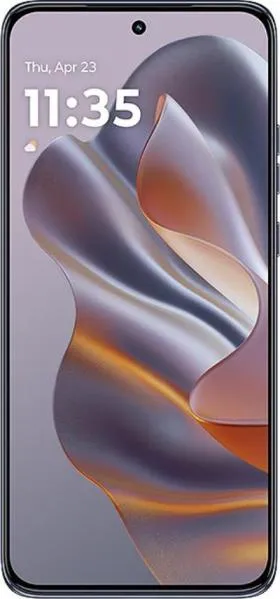
Google Pixel 8 Pro vs. Motorola Edge 50 Neo: A Deep Dive
Let's dissect the Google Pixel 8 Pro and the Motorola Edge 50 Neo, translating their spec sheets into real-world experiences.
1. Specifications Breakdown
| Feature | Google Pixel 8 Pro | Motorola Edge 50 Neo | Real-World Implications |
|---|---|---|---|
| Design | |||
| Dimensions | 162.6 x 76.5 x 8.8 mm | 154.1 x 71.2 x 8.1mm | Pixel 8 Pro is slightly larger and heavier. Neo feels more compact in hand. |
| Weight | 213 g | 171 g | Noticeable difference in hand; Neo is significantly lighter for extended use. |
| Display | |||
| Size | 6.7 inches | 6.4 inches | Pixel offers more screen real estate for media consumption. |
| Type | LTPO OLED, 120Hz, HDR10+ | LTPO P-OLED, 120Hz, HDR10+ | Both offer smooth scrolling and vibrant colors; Pixel's LTPO may offer slightly better battery efficiency. |
| Peak Brightness | 2400 nits (peak), 1600 nits (HBM) | 3000 nits (peak) | Neo boasts higher peak brightness for better outdoor visibility. |
| Resolution | 1344 x 2992 | 1256 x 2760 | Similar pixel density; both offer sharp visuals. |
| Performance | |||
| Chipset | Google Tensor G3 (4nm) | Mediatek Dimensity 7300 (4nm) | Tensor G3 likely offers superior AI processing and overall performance. |
| CPU | Nona-core (1x3.0 GHz X3 &...) | Octa-core (4x2.5 GHz A78 &...) | Pixel's more advanced CPU architecture should handle demanding tasks better. |
| GPU | Immortalis-G715s MC10 | Mali-G615 MC2 | Pixel's GPU is more powerful, leading to smoother gaming and faster rendering. |
| RAM | 12GB | 12GB | Ample RAM in both devices for multitasking. |
| Storage | 256GB, 512GB, 1TB | 512GB | Pixel offers more storage options for power users. |
| Battery Life | |||
| Capacity | 5050 mAh | 4310 mAh | Pixel has a larger battery, potentially translating to longer usage time. |
| Other | |||
| OS | Android 14 | Android 14 | Both run the latest Android version, with potential variations in software features and updates. |
| USB | USB Type-C 3.2 | USB Type-C 2.0 | Pixel's faster USB standard enables quicker data transfer and charging. |
| Sensors | Accelerometer, gyro, proximity, compass, | Accelerometer, gyro, proximity, compass | Pixel has additional sensors like a barometer and skin temperature sensor. |
2. Key Insights
Performance: The Pixel 8 Pro, powered by the Tensor G3, is likely the performance champion. This translates to faster app loading, smoother multitasking, and more responsive gaming. The Edge 50 Neo, while capable, may show some lag in demanding scenarios.
Display: While both displays offer vibrant colors and high refresh rates, the Neo’s higher peak brightness gives it an edge in direct sunlight. However, the Pixel 8 Pro’s slightly larger display and potentially more efficient LTPO panel offer advantages for media consumption and battery life.
Battery & Charging: The Pixel 8 Pro's larger battery promises longer endurance. Combined with its more power-efficient display technology, it likely outlasts the Neo. The Pixel also supports faster data transfer and charging with its USB 3.2 port.
Software & Ecosystem: Both phones run Android 14, but the Pixel benefits from Google's clean software experience and faster updates. The Tensor G3 chip also unlocks unique AI-powered features exclusive to Pixel phones.
3. User Profiles and Recommendations
Pixel 8 Pro: Ideal for power users, photographers, and those prioritizing performance, AI features, and a seamless software experience. The larger display is also a boon for media consumption and productivity.
Motorola Edge 50 Neo: Suitable for users seeking a more compact and lightweight phone with a bright display for outdoor use. It's a good option for budget-conscious users who prioritize value and don't require the absolute highest performance.
4. Buying Decision Framework
What's your budget and performance priority? If budget is tighter and top-tier performance isn't crucial, the Neo offers great value. If performance and future-proofing are paramount, the Pixel 8 Pro is the winner.
How important is camera quality and software experience? Pixel's camera prowess and clean Android experience are major differentiators. If these are high on your list, the Pixel is the better choice.
Do you prefer a compact phone or a larger screen? The Neo is lighter and more pocketable. The Pixel 8 Pro provides more screen real estate for immersive media and multitasking.
My Choice: The Google Pixel 8 Pro
While the Motorola Edge 50 Neo offers a compelling package for its price, I would choose the Google Pixel 8 Pro. The Tensor G3's performance advantage, combined with the superior camera system, clean software, and longer battery life, align with my priorities. I value a smooth, responsive experience, and the Pixel 8 Pro's powerful hardware and optimized software deliver just that. The additional features like the barometer and skin temperature sensor, while not essential, add to the overall appeal. I'm also willing to invest in a phone that will receive timely software updates and security patches for years to come. The slightly larger size and weight are a trade-off I'm willing to make for the significant performance and feature gains.
