
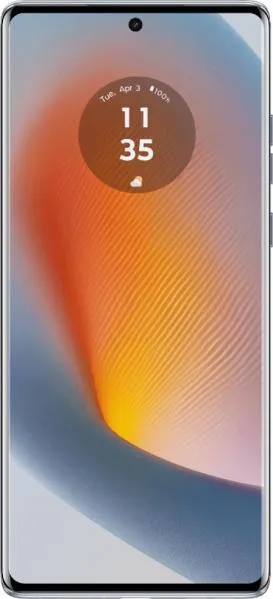
Let's dive into a comparative analysis of the Google Pixel 8 Pro and the Motorola Edge 50 Fusion, dissecting their technical specifications and translating them into real-world implications for you.
1. Specifications Breakdown
| Feature | Google Pixel 8 Pro | Motorola Edge 50 Fusion | Real-World Implications |
|---|---|---|---|
| Design | |||
| Dimensions | 162.6 x 76.5 x 8.8 mm | 161.9 x 73.1 x 7.9 mm | Pixel 8 Pro slightly taller and wider, both relatively slim. Fusion lighter (213g vs 174.9g). |
| Weight | 213 g | 174.9 g | Noticeable difference in hand; Fusion significantly lighter for extended use. |
| Display | |||
| Display Type | LTPO OLED, 120Hz, HDR10+ | P-OLED, 120/144Hz | Pixel's LTPO allows for more granular refresh rate control, saving battery. Both offer smooth scrolling and visuals. |
| Resolution | 1344 x 2992 | 1080 x 2400 | Pixel boasts significantly sharper detail due to higher resolution. |
| Peak Brightness | 2400 nits | 1600 nits | Pixel 8 Pro will be more visible in direct sunlight. |
| Performance | |||
| Chipset | Google Tensor G3 (4 nm) | Snapdragon 7s Gen 2 (4 nm) | Tensor G3 expected to outperform Snapdragon in AI tasks and complex processing, impacting responsiveness and camera. |
| CPU | Nona-core (1x3.0 GHz X3 & 4x2.45 GHz A715...) | Octa-core (4x2.40 GHz A78 & 4x1.95 GHz...) | Pixel's more advanced core architecture should handle demanding tasks better. |
| RAM | 12GB | 8GB | More RAM on Pixel allows for smoother multitasking and app switching. |
| Camera | Specs not provided | Specs not provided | Cannot compare without detailed camera specifications. |
| Battery Life | |||
| Battery Capacity | 5050 mAh | 5000 mAh | Negligible difference in battery capacity; real-world usage will depend on optimization. |
2. Key Insights
- Display: The Pixel 8 Pro's higher resolution and peak brightness deliver a noticeably superior visual experience, crucial for media consumption and outdoor use. The LTPO panel offers better power efficiency.
- Performance: The Tensor G3, with its AI focus and powerful CPU, positions the Pixel 8 Pro for a smoother, more responsive experience, particularly in demanding applications and AI-driven features. The 12GB RAM further enhances multitasking prowess.
- Overall Experience: The Pixel 8 Pro aims for a premium, flagship experience, evident in its display, performance, and advanced features. The Edge 50 Fusion offers a more balanced approach, prioritizing a lighter weight and competitive performance at a potentially lower price point.
3. User Profiles and Recommendations
- Pixel 8 Pro: Power users, photography enthusiasts, those who prioritize a top-tier display, and individuals seeking the latest in AI-driven smartphone technology.
- Edge 50 Fusion: Users seeking a lighter, more affordable option with good performance and a solid display. Suitable for everyday tasks, media consumption, and moderate gaming.
4. Buying Decision Framework
- What is your budget? The Pixel 8 Pro will likely command a higher price.
- What are your performance priorities? For demanding tasks and AI features, the Pixel 8 Pro has the edge.
- How important is display quality? The Pixel 8 Pro's display is a clear winner.
My Choice:
If I were choosing between these two, I would opt for the Google Pixel 8 Pro. While the Motorola Edge 50 Fusion offers a compelling package, especially considering its lighter weight, the Pixel 8 Pro's superior display, more powerful processor, larger RAM, and the promise of innovative AI features are decisive factors for me. I value a fluid, responsive user experience and a vibrant, high-resolution display, making the Pixel 8 Pro a better fit for my needs and preferences. The extra weight is a trade-off I'm willing to make for the performance gains. However, pending a full camera review and pricing comparison, this conclusion might be revisited.
