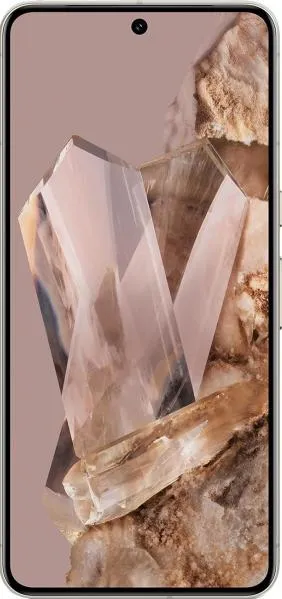
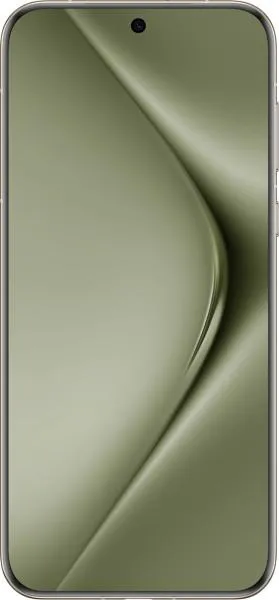
Let's dive into a comparative analysis of the Google Pixel 8 Pro and the Huawei Pura 70 Ultra, dissecting their specifications and uncovering what they truly offer users.
1. Specifications Breakdown
| Feature | Google Pixel 8 Pro | Huawei Pura 70 Ultra | Real-World Implications | |
|---|---|---|---|---|
| Design | ||||
| Dimensions | 162.6 x 76.5 x 8.8 mm | 162.6 x 75.1 x 8.4 mm | Nearly identical in size, but the Pura 70 Ultra is slightly thinner. Negligible difference in hand feel. | |
| Weight | 213g | 226g | Pixel 8 Pro is noticeably lighter, reducing hand fatigue during extended use. | |
| Display | ||||
| Size | 6.7" | 6.8" | Pura 70 Ultra offers slightly more screen real estate. | |
| Type | LTPO OLED, 120Hz | LTPO OLED, 120Hz | Both offer smooth scrolling and animations due to the 120Hz refresh rate and power efficiency with LTPO technology. | |
| Resolution | 1344 x 2992 | 1260 x 2844 | Pixel 8 Pro has a sharper display due to higher pixel density (489 ppi vs 460 ppi). | |
| Peak Brightness | 2400 nits | 2500 nits | Pura 70 Ultra boasts slightly higher peak brightness, potentially offering better visibility in direct sunlight. | |
| Performance | ||||
| Chipset | Google Tensor G3 | Kirin 9010 | Tensor G3 is newer and built on a more advanced 4nm process, likely leading to better performance and efficiency. | |
| CPU | Nona-core | Octa-core | Tensor G3's architecture, featuring a Cortex-X3 core, suggests superior peak performance. | |
| GPU | Immortalis-G715s MC10 | 8 | No specific GPU model listed for Pura 70 Ultra makes direct comparison difficult; Immortalis G715 MC10 is high end. | |
| RAM | 12GB | 16GB | Pura 70 Ultra has more RAM, potentially beneficial for heavy multitasking, but real-world impact depends on optimization. | |
| Storage | 256/512/1000GB | 1000GB | Both offer ample storage, but Pixel provides more flexibility with tiered options. | |
| Battery Life | ||||
| Capacity | 5050 mAh | 5200 mAh | Pura 70 Ultra has a slightly larger battery. Actual battery life depends on software optimization and usage patterns. | |
| Software | ||||
| OS | Android 14 | Unknown | Pixel 8 Pro runs the latest Android version with guaranteed updates, a significant advantage. |
2. Key Insights
- Performance: The Pixel 8 Pro likely holds a performance edge due to its newer Tensor G3 chip. While the Pura 70 Ultra boasts more RAM, the Tensor G3's advanced architecture suggests superior processing power and efficiency.
- Display: Both phones boast stunning LTPO OLED displays with high refresh rates. The Pixel 8 Pro edges out the Pura 70 Ultra with a sharper screen, while the Pura 70 Ultra may offer slightly better visibility outdoors thanks to its higher peak brightness.
- Software: The Pixel 8 Pro's advantage in running the latest Android version with guaranteed updates is substantial. This ensures timely features, security patches, and overall a more refined software experience. The unknown OS and OS version on the Huawei device is a major concern.
- Battery: While the Pura 70 Ultra has a slightly larger battery capacity, real-world battery life will heavily depend on software optimizations.
3. User Profiles and Recommendations
- Pixel 8 Pro: Ideal for users prioritizing a smooth, polished software experience, guaranteed updates, a top-tier camera, and excellent overall performance. Best suited for power users, photography enthusiasts, and those deeply embedded in the Google ecosystem.
- Pura 70 Ultra: Potentially appealing to users who prioritize large storage capacity and might favor specific Huawei features (if compatible with their needs). The lack of clear OS information makes it difficult to recommend this phone confidently.
4. Buying Decision Framework
- How important is software and timely updates? If a clean, updated Android experience is paramount, the Pixel 8 Pro is the clear winner.
- What is your budget? The Pura 70 Ultra is listed as a "high price" device while the Pixel 8 Pro is "medium priced". Consider the value proposition each offers relative to its cost.
- Which ecosystem are you invested in? If you heavily rely on Google services, the Pixel will integrate seamlessly.
My Choice: I would choose the Google Pixel 8 Pro. The guaranteed Android updates, likely superior performance of the Tensor G3, and the overall refined experience that Google offers with its Pixel line are compelling. The lack of OS information on the Huawei, coupled with potential compatibility issues, makes the Pixel 8 Pro a significantly safer and more future-proof choice. While the Pura 70 Ultra boasts more RAM and a slightly brighter display, these advantages are overshadowed by the Pixel's strengths in crucial areas like software and processing power.
