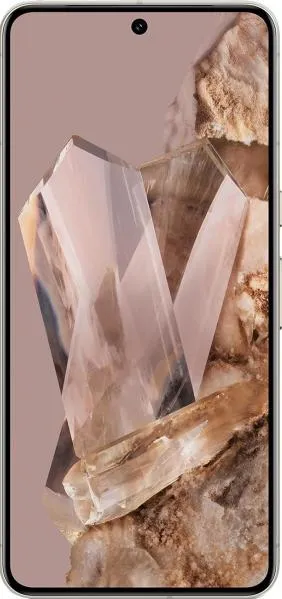
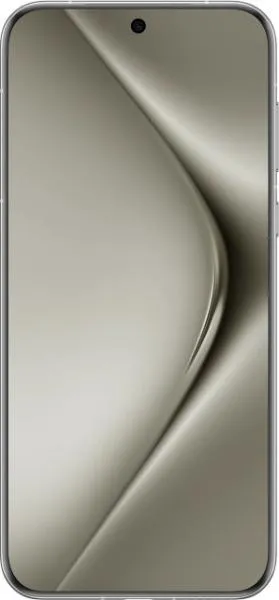
Let's dive into a comparative analysis of the Google Pixel 8 Pro and the Huawei Pura 70 Pro.
1. Specifications Breakdown
| Feature | Google Pixel 8 Pro | Huawei Pura 70 Pro | Real-World Implications |
|---|---|---|---|
| Design | |||
| Dimensions | 162.6 x 76.5 x 8.8 mm | 162.6 x 75.1 x 8.4 mm | Virtually identical in height, the Pura 70 Pro is slightly narrower and thinner. Negligible difference in real-world handling. |
| Weight | 213g | 220g | The Pixel 8 Pro is noticeably lighter, contributing to better one-handed use over extended periods. |
| Build | Glass/Aluminum | Not specified | Assuming a glass/metal build for the Pura 70 Pro based on its price range. Durability and premium feel should be comparable. |
| Display | |||
| Size | 6.7" | 6.8" | The Pura 70 Pro offers a marginally larger screen, providing a slightly more immersive viewing experience. |
| Type | LTPO OLED | LTPO OLED | Both phones utilize power-efficient display technology with adaptive refresh rates for smooth scrolling and extended battery life. |
| Resolution | 1344 x 2992 | 1260 x 2844 | Pixel 8 Pro boasts a sharper display (489 ppi vs 460 ppi), resulting in crisper text and images. Noticeable in detail-oriented tasks. |
| Peak Brightness | 2400 nits | 2500 nits | The Pura 70 Pro claims a slightly higher peak brightness, potentially offering better visibility in direct sunlight. Real-world testing needed. |
| Refresh Rate | 120Hz | 120Hz | Identical refresh rates ensure fluid animations and responsive interactions on both devices. |
| Performance | |||
| Chipset | Google Tensor G3 | Kirin 9010 | Tensor G3 is newer but benchmarks will determine real-world performance differences. Kirin 9010 may lag in AI and specific tasks. |
| CPU | Nona-core | Octa-core | Core count doesn't directly equate to performance. Tensor G3's architecture likely provides an advantage in multitasking and demanding apps. |
| GPU | Immortalis-G715s MC10 | 8 (Unspecified) | Missing GPU details for Pura 70 Pro hinder a direct comparison. Expect the Pixel 8 Pro to excel in graphically intensive tasks and gaming. |
| RAM | 12GB | 12GB | Both offer ample RAM for smooth multitasking and app switching. |
| Battery Life | |||
| Capacity | 5050 mAh | 5050 mAh | Identical battery capacities suggest similar longevity, but real-world usage will depend on software optimization and individual usage patterns. |
| Other | |||
| OS | Android 14 | Not Specified | A major gap in the data. The OS significantly impacts user experience, app availability, and security updates. |
| Storage | 256/512/1TB GB | 512/1TB GB | Pixel offers a smaller base storage option, providing more flexibility for budget-conscious buyers. |
2. Key Insights
- Display: Pixel 8 Pro edges out with a sharper screen, though Pura 70 Pro claims marginally higher peak brightness.
- Performance: Tensor G3 likely offers superior performance due to its newer architecture and focus on AI, but real-world benchmarks are needed for confirmation, especially considering the lack of GPU detail for the Huawei device.
- Software: The lack of OS information for the Pura 70 Pro is a critical gap. Assuming it runs HarmonyOS limits app availability and raises concerns about Google services integration.
- Design: Minor dimensional differences; Pixel 8 Pro is lighter.
3. User Profiles and Recommendations
- Pixel 8 Pro: Users prioritizing a polished software experience, latest Android features, superior camera capabilities (not detailed here, but Pixel is known for its camera prowess), and a lighter device.
- Pura 70 Pro: Users valuing a larger display, potentially longer battery life (depending on OS optimization), and willing to navigate a less established mobile OS ecosystem. The lack of OS details makes a strong recommendation difficult.
4. Buying Decision Framework
- Which operating system is more important to you? A fully functional Android experience with Google services versus potentially HarmonyOS with limited app support.
- Do you prioritize a sharper display or potentially brighter screen for outdoor use?
- How important is having access to the latest Google AI features and a well-established app ecosystem?
My Choice
I would choose the Google Pixel 8 Pro. The lack of clarity regarding the Pura 70 Pro's operating system is a significant deterrent. A seamless software experience is paramount to me, and the Pixel 8 Pro's integration with Google services, coupled with the likely performance advantages of the Tensor G3, make it the more compelling choice. While the Pura 70 Pro boasts a slightly larger display and potentially brighter screen, these advantages are outweighed by the uncertainties surrounding its software and overall ecosystem. The lighter weight of the Pixel is also a plus for daily use. Finally, Google's track record with timely updates and security patches further solidifies my decision.
