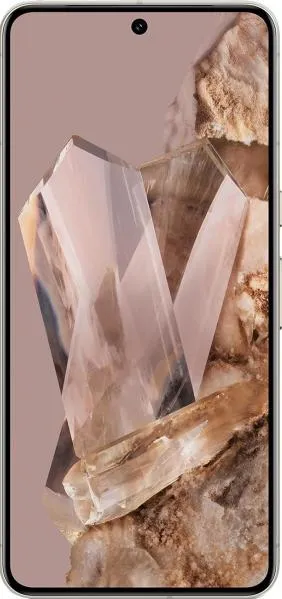
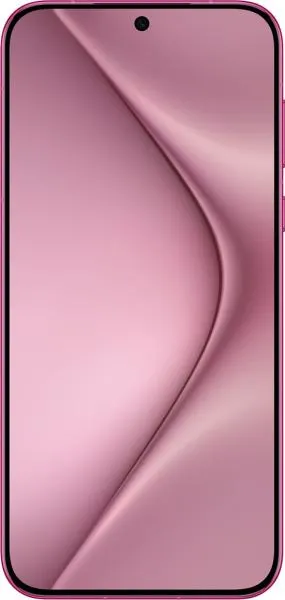
Let's dive into a comparative analysis of the Google Pixel 8 Pro and the Huawei Pura 70.
Google Pixel 8 Pro vs. Huawei Pura 70: A Deep Dive
Both the Pixel 8 Pro and Pura 70 promise a premium smartphone experience, but their strengths cater to different needs. Let's dissect their specs and uncover what they mean for you.
1. Specifications Breakdown
| Feature | Google Pixel 8 Pro | Huawei Pura 70 | Real-World Implications |
|---|---|---|---|
| Design | |||
| Dimensions | 162.6 x 76.5 x 8.8 mm | 157.6 x 74.3 x 8 mm | Pura 70 is slightly smaller and might feel more comfortable in hand. |
| Weight | 213g | 207g | Pura 70 is marginally lighter. |
| Display | |||
| Size | 6.7" | 6.6" | Negligible difference in screen real estate. |
| Type | LTPO OLED, 120Hz | LTPO OLED, 120Hz | Both offer smooth scrolling and animations. |
| Resolution | 1344 x 2992 | 1256 x 2760 | Pixel 8 Pro boasts a slightly sharper display. |
| Peak Brightness | 2400 nits | 2500 nits | Pura 70 might be slightly more visible in direct sunlight. |
| Performance | |||
| Chipset | Google Tensor G3 | Kirin 9000S1 | Performance comparison requires real-world benchmarks. |
| CPU | Nona-core | Octa-core | Core count doesn't directly equate to performance. |
| GPU | Immortalis-G715s MC10 | 8 | Pixel 8 Pro's GPU likely offers superior graphics performance. |
| RAM | 12GB | 12GB | Both offer ample RAM for multitasking. |
| Storage | 256/512/1000GB | 512GB | Pixel offers more storage configuration options. |
| Battery Life | |||
| Capacity | 5050 mAh | 4900 mAh | Pixel 8 Pro has a slightly larger battery. |
| Software | |||
| OS | Android 14 | Unknown | A major unknown and potential disadvantage for the Pura 70. |
| Other | |||
| NFC | Yes | Yes | Both support contactless payments. |
| USB | USB Type-C 3.2 | USB Type-C 3.1 | Minor difference in data transfer speeds. |
2. Key Insights
Display: Both phones offer stunning LTPO OLED displays with 120Hz refresh rates, ensuring smooth visuals. The Pixel 8 Pro boasts a slightly sharper display due to its higher resolution. The Pura 70 might have a slight edge in outdoor visibility with its higher peak brightness, but real-world testing is needed.
Performance: The Pixel 8 Pro's Tensor G3, coupled with the Immortalis-G715s MC10 GPU, is likely to offer a significant performance advantage, especially in graphics-intensive tasks like gaming. The lack of detail on the Pura 70's CPU and single digit GPU metric make direct comparisons difficult, but based on available information, the Pixel 8 Pro looks more promising.
Battery: While the Pixel 8 Pro has a marginally larger battery, real-world battery life depends on optimization and usage patterns.
Software: The biggest question mark hangs over the Huawei Pura 70's operating system. Without knowing which OS it runs, it's impossible to assess its functionality, app ecosystem, and overall user experience. This is a critical factor.
3. User Profiles and Recommendations
Pixel 8 Pro: Ideal for users who prioritize a polished software experience, strong performance, regular software and security updates, and a vibrant app ecosystem. Photographers and videographers will also appreciate Google's computational photography prowess.
Huawei Pura 70: Without knowing the OS, it's difficult to recommend this phone. If it runs a full version of Android with Google Mobile Services, it could be a contender for users prioritizing design and potentially battery life (pending real-world tests). However, the lack of OS information is a major drawback.
4. Buying Decision Framework
- Which operating system is most important to you? A full-fledged Android experience with Google services is crucial for most users.
- What is your budget and storage needs? The Pixel 8 Pro offers various storage options which may better suit users with large storage needs.
- Do you prioritize performance, particularly for gaming or demanding tasks? The Pixel 8 Pro, based on specs, is likely the stronger performer.
My Choice: Google Pixel 8 Pro
Given the available information, I would choose the Google Pixel 8 Pro. The known performance advantages, coupled with the guaranteed Android experience and access to Google's ecosystem, make it the safer and likely more satisfying choice. The uncertainty surrounding the Huawei Pura 70's OS and weaker GPU are significant deterrents. While the Pura 70 boasts an attractive design and potentially strong battery life, the lack of crucial information makes it a risky proposition. In the tech world, a known quantity, especially regarding software, is often preferable to an unknown, however appealing it might seem on paper.
