
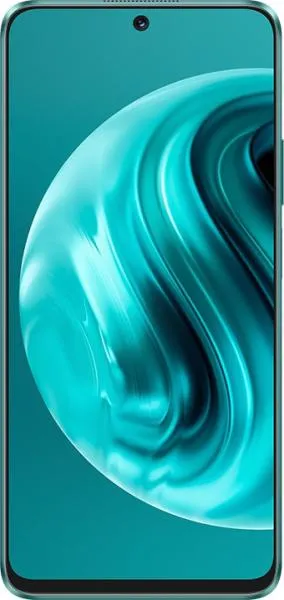
Google Pixel 8 Pro vs. Huawei nova 12i: A Deep Dive
Let's dissect the Google Pixel 8 Pro and the Huawei nova 12i, two "medium priced" smartphones with distinct personalities. We'll go beyond the spec sheet to understand what these differences mean for you.
1. Specifications Breakdown
| Feature | Google Pixel 8 Pro | Huawei nova 12i | Real-World Implications |
|---|---|---|---|
| Design | |||
| Dimensions | 162.6 x 76.5 x 8.8 mm | 163.3 x 74.7 x 8.4 mm | Pixel 8 Pro is slightly shorter and wider; Nova 12i is marginally thinner. Negligible difference in hand feel. |
| Weight | 213g | 199g | Nova 12i is noticeably lighter, reducing hand fatigue during extended use. |
| Display | |||
| Display Type | LTPO OLED, 120Hz | IPS LCD, 90Hz | Pixel 8 Pro: Superior contrast, deeper blacks, smoother scrolling. Nova 12i: More power-efficient, visible in sunlight. |
| Resolution | 1344 x 2992 | 1080 x 2388 | Pixel 8 Pro: Sharper, more detailed visuals. |
| Peak Brightness | 2400 nits | N/A | Pixel 8 Pro: Exceptional outdoor visibility, HDR content shines. Lack of data for the Nova 12i hinders comparison. |
| Performance | |||
| Chipset | Google Tensor G3 | Snapdragon 680 4G | Pixel 8 Pro: Significantly faster CPU and GPU, smoother multitasking, demanding gaming. Nova 12i: Basic tasks, casual gaming. |
| RAM | 12GB | 8GB | Pixel 8 Pro: Superior multitasking, apps stay open in the background longer. |
| Storage | 256/512/1000GB | 256GB | Pixel offers more storage options for power users. |
| Camera (Partial Data) | |||
| Video Capabilities | 4K@30/60fps, 1080p@ up to 240fps | 1080p@30fps | Pixel 8 Pro: Much wider range of video recording options including higher resolution and frame rates, slow motion. |
| Battery | |||
| Capacity | 5050 mAh | 5000 mAh | Similar battery capacities, real-world usage will depend on software optimization and display power consumption. |
| Software | |||
| OS | Android 14 | N/A | Pixel 8 Pro: Latest Android features and security updates. Missing OS data for Nova 12i prevents detailed comparison. |
2. Key Insights
The Pixel 8 Pro is a clear flagship contender, boasting a cutting-edge display, powerful processor, and advanced camera capabilities (though full camera specs aren't provided). The Nova 12i focuses on affordability and essentials, sacrificing premium features for a lower price point. The Pixel's Tensor G3 chip provides AI-powered enhancements, impacting everything from photography to voice assistance. The Nova 12i's Snapdragon 680 handles everyday tasks but lacks the Pixel's raw power.
3. User Profiles and Recommendations
- Pixel 8 Pro: For users who demand top-tier performance, a stunning display, and the latest software innovations. Ideal for photographers, videographers, gamers, and multitaskers.
- Nova 12i: Budget-conscious users prioritizing basic functionality, long battery life (potentially), and a lightweight design. Suitable for casual users, social media browsing, and light gaming.
4. Buying Decision Framework
- What is your budget? The Pixel 8 Pro commands a higher price reflecting its premium features.
- What are your performance needs? For demanding tasks, the Pixel 8 Pro is essential. For casual use, the Nova 12i might suffice.
- What features are most important to you? Prioritize display quality, camera capabilities, or battery life to guide your choice.
My Choice: The Pixel 8 Pro is the clear winner for me. While the Nova 12i offers good value, I prioritize a fluid, responsive experience, a brilliant display, and cutting-edge camera technology. The Pixel 8 Pro's Tensor G3, coupled with its superior display and software, aligns perfectly with my need for a powerful and versatile device that can handle demanding tasks and capture stunning photos and videos. The significant performance gap and superior screen outweigh the Nova 12i's lighter weight and potential for longer battery life (given the LCD screen). I'm also drawn to the guaranteed software updates and AI features that come with the Pixel ecosystem.
