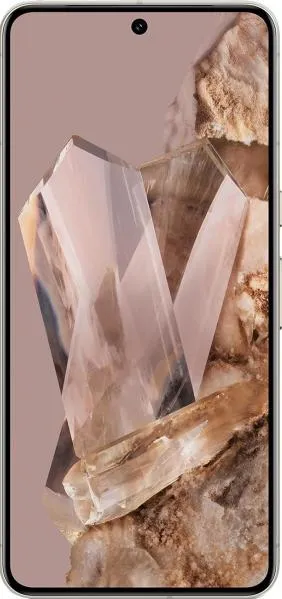
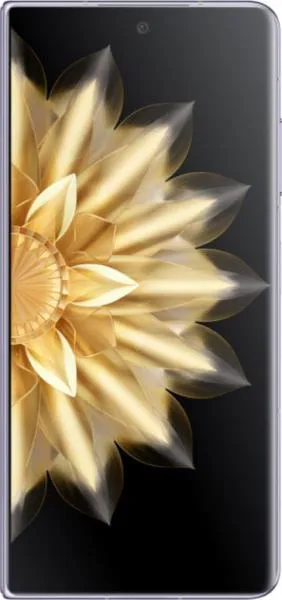
Google Pixel 8 Pro vs. Honor Magic V3: A Deep Dive
Let's dissect the Google Pixel 8 Pro and the Honor Magic V3, two powerhouses vying for your pocket space. We'll go beyond the spec sheet, translating raw numbers into real-world experiences.
1. Specifications Breakdown
| Feature | Google Pixel 8 Pro | Honor Magic V3 | Real-World Implications |
|---|---|---|---|
| Design | |||
| Dimensions | 162.6 x 76.5 x 8.8mm | 156.6 x 145.3 x 4.35mm (folded) | Pixel: Larger footprint, feels substantial. Magic V3: Compact when folded, expansive unfolded, heavier. |
| Weight | 213g | 255g | Pixel: Easier to hold for extended use. Magic V3: Noticeable heft, especially in one hand. |
| Foldable | No | Yes | Pixel: Traditional slab phone. Magic V3: Offers tablet-like functionality in a pocket-sized device. |
| Display | |||
| Size | 6.7" | 7.92" (unfolded) | Pixel: Immersive yet manageable. Magic V3: Vast screen real estate for multitasking, media consumption. |
| Type | LTPO OLED | Foldable LTPO AMOLED | Pixel: Excellent power efficiency, smooth scrolling. Magic V3: Same benefits, plus folding capability. |
| Resolution | 1344 x 2992 | 2156x2344 | Both: Incredibly sharp and detailed visuals. |
| Peak Brightness | 2400 nits | 1800 nits | Pixel: Brighter outdoors, HDR content pops. Magic V3: Still very bright, but loses out in direct sun. |
| Performance | |||
| Chipset | Google Tensor G3 | Snapdragon 8 Gen 3 | Magic V3: Likely edge in raw processing power, benchmark scores. |
| CPU | Nona-core | Octa-core | Both: More than capable of handling demanding tasks and heavy multitasking. |
| GPU | Immortalis-G715s MC10 | Adreno 750 | Magic V3: Potential advantage in gaming and graphics-intensive applications. |
| RAM | 12GB | 12GB/16GB | Both: Ample memory for smooth operation. |
| Battery Life | |||
| Capacity | 5050 mAh | 5000 mAh | Both: Large batteries, expected to deliver all-day battery life. Real-world usage will vary. |
2. Key Insights
The Pixel 8 Pro leans into Google's software prowess, offering a refined, intuitive Android experience. Its Tensor G3 chip prioritizes AI and machine learning, excelling in tasks like photography, voice assistance, and real-time translation.
The Honor Magic V3 disrupts with its foldable design, transforming from a phone to a mini-tablet. The Snapdragon 8 Gen 3 promises top-tier performance, making it a multimedia and productivity powerhouse.
3. User Profiles and Recommendations
Pixel 8 Pro: Ideal for users who prioritize a seamless software experience, exceptional camera capabilities, and a clean Android interface. Excellent for those deeply embedded in the Google ecosystem.
Honor Magic V3: Perfect for users who crave a large screen for multitasking, media consumption, and productivity on the go. The folding form factor offers a unique blend of portability and screen real estate.
4. Buying Decision Framework
- Is a foldable screen a must-have? If yes, the Magic V3 is your only option here.
- Do you prioritize software experience or raw performance? Pixel leans towards the former, Magic V3 towards the latter.
- What's your budget? The Magic V3 sits in a higher price bracket.
Scenario: A business traveler needing maximum productivity would benefit from the Magic V3's larger screen. A photography enthusiast prioritizing ease of use and image quality might prefer the Pixel 8 Pro.
My Choice: As Alex Griffin, I'd choose the Pixel 8 Pro. While the Magic V3's foldable technology is impressive, I value the Pixel's refined software experience, exceptional camera capabilities powered by Google's AI, and the seamless integration with the Google ecosystem. The slightly lower price and lighter weight are also factors for my personal preference for a phone I can comfortably use all day. While raw performance benchmarks might favor the Magic V3, the Pixel 8 Pro offers a more holistic and optimized experience for my daily workflow.
