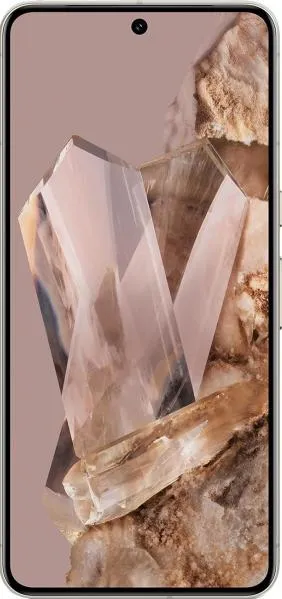
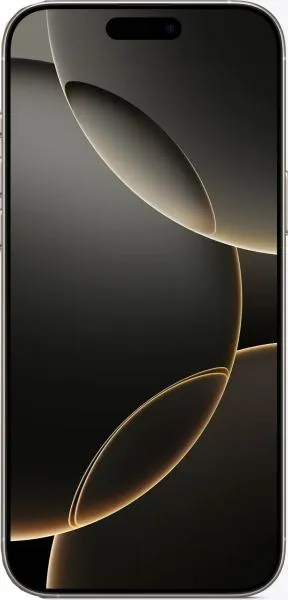
Let's dive into a comprehensive comparison of the Google Pixel 8 Pro and the Apple iPhone 16 Pro Max, dissecting their specs and uncovering what they truly mean for you, the user.
1. Specifications Breakdown
| Feature | Google Pixel 8 Pro | Apple iPhone 16 Pro Max | Real-World Implications |
|---|---|---|---|
| Design | |||
| Dimensions (mm) | 162.6 x 76.5 x 8.8 | 163 x 77.6 x 8.3 | Pixel 8 Pro slightly narrower, shorter; both are large phones. |
| Weight (g) | 213 | 227 | iPhone 16 Pro Max noticeably heavier. |
| Build Material | Glass front/back, aluminum frame | Glass front/back, stainless steel frame | iPhone potentially more durable due to stainless steel. |
| Display | |||
| Display Type | LTPO OLED | LTPO Super Retina XDR OLED | Both offer excellent color accuracy, contrast, and power efficiency. |
| Size (inches) | 6.7 | 6.9 | iPhone 16 Pro Max offers a larger viewing area. |
| Resolution | 1344 x 2992 | 1320x2868 | Similar pixel density; both incredibly sharp. Pixel 8 Pro slightly higher resolution but negligible difference. |
| Refresh Rate (Hz) | 120 | 120 | Both provide smooth scrolling and animations. |
| Peak Brightness (nits) | 2400 | 2000 (HBM) | Pixel 8 Pro significantly brighter in direct sunlight. |
| Performance | |||
| Chipset | Google Tensor G3 (4nm) | Apple A18 Pro (3nm) | A18 Pro likely more powerful and power-efficient due to newer architecture and manufacturing process. |
| CPU | Nona-core | Hexa-core | Core count difference less important than architecture and per-core performance; real-world testing needed. |
| GPU | Immortalis-G715s MC10 | Apple GPU (6-core) | Apple historically excels in GPU performance; gaming performance advantage likely for iPhone. |
| RAM (GB) | 12 | 8 | Pixel's higher RAM could improve multitasking, but iOS optimizes RAM usage very efficiently. |
| Battery Life | |||
| Capacity (mAh) | 5050 | 4685 | Pixel 8 Pro has a larger battery; real-world battery life depends on optimization and usage. |
| Other | |||
| OS | Android 14 | iOS 18 | Platform preference is subjective; impacts app ecosystem, customization, and privacy features. |
| Storage Options | 256GB/512GB/1TB | 512GB/1TB | Similar high-end storage tiers. |
| Price Range | Medium | High | iPhone 16 Pro Max expected to be significantly more expensive. |
2. Key Insights
Display: Pixel 8 Pro's brighter display offers superior outdoor visibility. However, both displays are top-tier in terms of color and smoothness.
Performance: While the A18 Pro likely boasts raw power, Google's Tensor G3 excels in AI-driven tasks, like photo processing and real-time translation. Real-world performance differences may be subtle for average users.
Battery Life: The Pixel 8 Pro's larger battery suggests better longevity, but iOS optimization could level the playing field. Heavy users might favor the Pixel, while moderate users might find either sufficient.
Ecosystem: The biggest differentiator remains the operating system. Android offers customization and open-source flexibility, while iOS prioritizes simplicity and a tightly controlled ecosystem.
3. User Profiles and Recommendations
Pixel 8 Pro: Best for Android enthusiasts, power users who value customization, those seeking the brightest display, and those prioritizing potentially longer battery life. Its AI capabilities also make it great for photography enthusiasts.
iPhone 16 Pro Max: Best for users entrenched in the Apple ecosystem, those prioritizing raw performance (especially for gaming), and those who prefer the simplicity and polish of iOS.
4. Buying Decision Framework
- Which ecosystem are you invested in? Your existing apps, services, and device compatibility will heavily influence your choice.
- What are your priorities? Brightest display and potential battery champion? Pixel. Raw performance and gaming? iPhone.
- What's your budget? The iPhone 16 Pro Max commands a premium price. Is that premium worth it for your needs?
My Choice: Google Pixel 8 Pro
While both are exceptional phones, I'd choose the Pixel 8 Pro. The brighter display, larger battery, and the potential for longer software updates (a historical advantage for Pixel phones) appeal to me. I value the open nature of Android and its customization options. While I respect Apple's silicon and software optimization, the Pixel's unique features, combined with a more competitive price, make it the winner for me. The slight difference in potential raw performance wouldn't outweigh the advantages of the Pixel in my daily usage.
