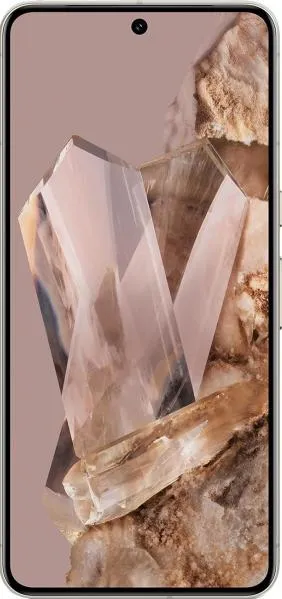
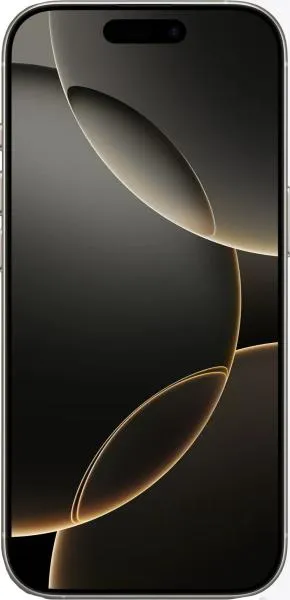
Google Pixel 8 Pro vs. Apple iPhone 16 Pro: A Deep Dive
The smartphone arena welcomes two titans: the Google Pixel 8 Pro and the Apple iPhone 16 Pro. Both devices boast cutting-edge technology, but their strengths cater to different needs. Let's dissect their specifications and uncover what truly matters for the user.
1. Specifications Breakdown
| Feature | Google Pixel 8 Pro | Apple iPhone 16 Pro | Real-World Implications |
|---|---|---|---|
| Design | |||
| Dimensions | 162.6 x 76.5 x 8.8 mm | 149.6 x 71.5 x 8.3 mm | iPhone 16 Pro is noticeably smaller and lighter, enhancing one-handed usability. |
| Weight | 213g | 199g | Lighter iPhone contributes to reduced fatigue during extended use. |
| Display | |||
| Size | 6.7" | 6.3" | Pixel offers a larger screen for immersive content consumption; iPhone prioritizes portability. |
| Type | LTPO OLED | LTPO Super Retina XDR OLED | Both offer excellent color accuracy and smooth scrolling due to LTPO technology. |
| Resolution | 1344 x 2992 | 1206 x 2622 | Pixel's higher resolution provides slightly sharper visuals. |
| Peak Brightness | 2400 nits | 2000 nits (HBM) | Pixel's superior peak brightness enhances outdoor visibility. |
| Performance | |||
| Chipset | Google Tensor G3 | Apple A18 Pro | Both are flagship chipsets, but A18 Pro is expected to deliver a significant performance leap. |
| CPU | Nona-core | Hexa-core | Core count difference is less relevant than architectural efficiency and per-core performance. |
| GPU | Immortalis-G715s MC10 | Apple GPU (6-core) | A18 Pro's GPU is likely to outperform in graphics-intensive tasks and gaming. |
| RAM | 12GB | 8GB | Pixel's higher RAM capacity could contribute to smoother multitasking. |
| Battery | |||
| Capacity | 5050 mAh | 3582 mAh | Pixel's significantly larger battery suggests longer usage time. |
2. Key Insights
Performance: While both phones will be powerhouses, the iPhone 16 Pro with its A18 Pro chip is projected to have a performance edge, particularly in gaming and demanding applications. The Pixel 8 Pro's Tensor G3, however, will likely excel in AI-powered tasks, like on-device language processing and photography.
Display: The Pixel 8 Pro boasts a brighter, sharper display, ideal for consuming HDR content and outdoor use. The iPhone 16 Pro compensates with potentially superior color accuracy and Dolby Vision support.
Battery Life: The Pixel 8 Pro's substantially larger battery capacity points to significantly longer battery life. This advantage could be crucial for power users. iPhone's optimization might narrow the gap, but the raw capacity difference is noteworthy.
Software Experience: The core difference lies in the operating systems. Pixel offers a pure Android experience with Google's AI integrations at the forefront, while the iPhone 16 Pro provides the tightly controlled, app-focused iOS ecosystem.
3. User Profiles and Recommendations
Pixel 8 Pro: Ideal for Android enthusiasts, power users demanding long battery life, and those who prioritize a large, bright display. Photographers might also lean towards the Pixel for its computational photography prowess.
iPhone 16 Pro: Suited for users entrenched in the Apple ecosystem, those seeking peak performance and a premium, compact design. Gamers and content creators who value smooth frame rates and Dolby Vision will find the iPhone appealing.
4. Buying Decision Framework
- Which ecosystem are you invested in? Your existing apps, services, and device compatibility play a crucial role.
- What's your priority: battery life or raw performance? The Pixel excels in the former, while the iPhone likely leads in the latter.
- What's your budget and storage needs? Consider the price difference and storage options.
My Choice: Google Pixel 8 Pro
While the iPhone 16 Pro boasts impressive performance, I would choose the Google Pixel 8 Pro. The deciding factors for me are the significantly larger battery, brighter display, and the pure Android experience with its AI-driven features. As a tech journalist constantly on the go, battery life is paramount. The Pixel's larger screen also enhances my productivity when reviewing documents and multimedia. Furthermore, I value the open nature of Android and its seamless integration with Google's services. The potential performance advantage of the iPhone 16 Pro, while attractive, isn't enough to outweigh these benefits in my specific use case.
