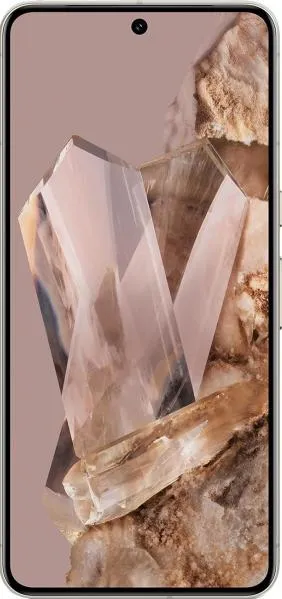
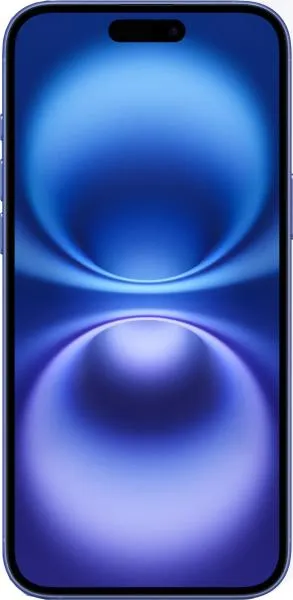
Google Pixel 8 Pro vs. Apple iPhone 16 Plus: A Deep Dive
The smartphone landscape is ever-evolving, and choosing the right device can feel overwhelming. Today, we'll dissect the Google Pixel 8 Pro and the Apple iPhone 16 Plus, two titans vying for your attention. We'll go beyond the spec sheet, translating technical jargon into real-world implications to help you make an informed decision.
1. Specifications Breakdown
| Feature | Google Pixel 8 Pro | Apple iPhone 16 Plus | Real-World Implications |
|---|---|---|---|
| Design | |||
| Dimensions | 162.6 x 76.5 x 8.8mm | 160.9 x 77.8 x 7.8mm | iPhone 16 Plus is slightly shorter, narrower, and significantly thinner, potentially feeling more pocketable. |
| Weight | 213g | 199g | iPhone 16 Plus is noticeably lighter, reducing hand fatigue during extended use. |
| Display | |||
| Size | 6.7" | 6.7" | Identical screen real estate for both devices. |
| Type | LTPO OLED | Super Retina XDR OLED | Both offer vibrant colors and deep blacks. Pixel's LTPO allows for more granular refresh rate control, saving battery. |
| Resolution | 1344 x 2992 | 1290 x 2796 | Pixel 8 Pro boasts a slightly sharper display. Difference is negligible in everyday use. |
| Peak Brightness | 2400 nits | 2000 nits (HBM) | Pixel 8 Pro can get significantly brighter, improving outdoor visibility. |
| Refresh Rate | 120Hz | Not specified | High refresh rate on Pixel results in smoother scrolling and animations. Assuming iPhone 16 Plus maintains 120Hz for consistency with previous models. |
| Performance | |||
| Chipset | Google Tensor G3 | Apple A18 | Both are flagship chips, promising top-tier performance. A18's 3nm process likely delivers efficiency gains. |
| CPU | Nona-core | Hexa-core | Core count difference less significant than architecture and per-core performance, which real-world benchmarks will reveal. |
| RAM | 12GB | 8GB | Pixel 8 Pro has more RAM, potentially beneficial for multitasking and keeping apps in memory. |
| Battery | |||
| Capacity | 5050 mAh | 4674 mAh | Pixel 8 Pro has a larger battery, suggesting potentially longer battery life. Real-world usage will vary. |
| Software | |||
| OS | Android 14 | iOS 18 | Preference for operating system is subjective and impacts app ecosystem, customization, and privacy features. |
2. Key Insights
The Pixel 8 Pro leans into Google's AI prowess and computational photography, while the iPhone 16 Plus likely focuses on raw performance and ecosystem integration. The Pixel's brighter display and larger battery are notable advantages. However, the A18 chip in the iPhone is expected to deliver a significant performance leap.
3. User Profiles and Recommendations
Pixel 8 Pro: Ideal for Android enthusiasts, photography lovers, and those prioritizing a customizable experience and potentially longer battery life.
iPhone 16 Plus: Best suited for users entrenched in the Apple ecosystem, valuing performance, app availability, and a seamless user experience.
4. Buying Decision Framework
- Which ecosystem are you invested in? Android or iOS?
- What are your priorities? Camera, battery life, performance, or app selection?
- What's your budget? Both fall in the "medium price" range, but specific pricing will influence the decision.
My Choice: As Alex Griffin, I would choose the Pixel 8 Pro. While the A18 chip is intriguing, the Pixel's superior camera capabilities (inferred from Google's historical strength in this area), brighter display for outdoor use, larger battery, and the open nature of Android, allowing for deeper customization and tinkering, align more closely with my personal preferences and workflow. The extra RAM in the Pixel also appeals to my multitasking habits. I value the flexibility and control offered by Android and appreciate Google's focus on AI-driven features. While I acknowledge the strengths of the iPhone ecosystem, the Pixel 8 Pro's unique features make it the more compelling device for me.
