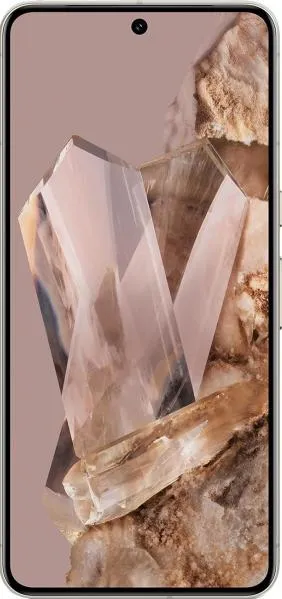
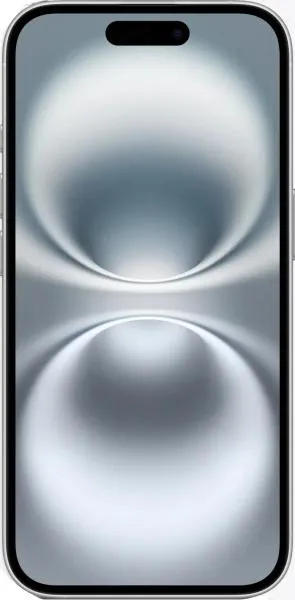
Let's dive into a comparative analysis of the Google Pixel 8 Pro and the Apple iPhone 16, dissecting their specifications and uncovering what they truly mean for the user experience.
1. Specifications Breakdown
| Feature | Google Pixel 8 Pro | Apple iPhone 16 | Real-World Implications |
|---|---|---|---|
| Design | |||
| Dimensions | 162.6 x 76.5 x 8.8 mm | 147.6 x 71.6 x 7.8 mm | iPhone 16 is noticeably smaller and lighter, potentially more pocketable and comfortable for one-handed use. |
| Weight | 213g | 170g | iPhone 16 is significantly lighter, reducing hand fatigue during extended use. |
| Display | |||
| Size | 6.7" | 6.1" | Pixel 8 Pro offers a larger screen for more immersive content consumption. |
| Type | LTPO OLED | Super Retina XDR OLED | Both offer excellent displays, but LTPO allows for dynamic refresh rate adjustment on the Pixel, saving battery. |
| Resolution | 1344 x 2992 | 1179 x 2556 | Pixel 8 Pro boasts a sharper display due to higher resolution. |
| Refresh Rate | 120Hz | (Unspecified) | 120Hz on the Pixel 8 Pro ensures smoother scrolling and animations. We need more data on the iPhone 16's refresh rate. |
| Peak Brightness | 2400 nits | (Unspecified) | Pixel 8 Pro's superior peak brightness enhances outdoor visibility. We need more data on the iPhone 16's peak brightness to make a complete comparison here. |
| Performance | |||
| Chipset | Google Tensor G3 | Apple A18 | Both are flagship chipsets, but real-world performance will depend on optimization and specific tasks. |
| CPU | Nona-core | Hexa-core | More cores on the Pixel don't necessarily equate to better performance; architectural differences matter. |
| GPU | Immortalis-G715s MC10 | Apple GPU (5-core) | Gaming performance will likely be strong on both, but detailed benchmarks are needed for a definitive comparison. |
| RAM | 12GB | 8GB | Pixel 8 Pro has more RAM, potentially enabling better multitasking and app retention. |
| Battery Life | |||
| Capacity | 5050 mAh | 3561 mAh | Pixel 8 Pro has a significantly larger battery, suggesting potentially longer battery life. |
2. Key Insights
- Display: The Pixel 8 Pro's LTPO display with a 120Hz refresh rate and higher peak brightness delivers a superior visual experience, especially outdoors. However, Apple's Super Retina XDR OLED displays are known for their color accuracy and overall quality. The unspecified refresh rate and peak brightness on the iPhone 16 prevent a full comparison.
- Performance: Both phones promise flagship-level performance. The Tensor G3 is focused on AI and machine learning capabilities, while the A18 likely prioritizes raw processing power and efficiency. Real-world usage and benchmarks will determine the winner.
- Battery: The Pixel 8 Pro's larger battery capacity suggests a longer lasting battery life compared to the iPhone 16.
- Software: The Pixel runs pure Android with faster updates, while the iPhone offers iOS with its renowned ecosystem and longer software support. This is a matter of personal preference.
- Size and Weight: The iPhone 16's smaller size and lighter weight make it more pocketable and comfortable for one-handed use. The Pixel 8 Pro is larger and heavier, catering to users who prefer a bigger screen and don't mind the added bulk.
3. User Profiles and Recommendations
- Pixel 8 Pro: Best for Android enthusiasts, power users who demand a large, vibrant display, prioritize long battery life, and appreciate Google's AI-driven features. Photographers and videographers will also likely gravitate towards the Pixel's camera prowess (although we don't have camera specs here to compare).
- iPhone 16: Ideal for users entrenched in the Apple ecosystem, those who prefer a smaller, more manageable phone, value simplicity and ease of use, and prioritize a seamless integration with other Apple devices.
4. Buying Decision Framework
- Do you prioritize a large screen and long battery life over pocketability? If yes, the Pixel 8 Pro is the better choice.
- Are you heavily invested in the Apple ecosystem? If so, the iPhone 16 is the natural choice.
- Do you value pure Android with faster updates or iOS with its stability and long-term support? This will largely depend on personal preference and past experiences.
My Choice
If I were choosing between these two devices based solely on the provided information, I would lean towards the Google Pixel 8 Pro. The combination of a larger, more advanced LTPO display, a significantly larger battery, more RAM, and the flexibility of the Android operating system appeals to my personal preferences and usage patterns. I value a long-lasting battery, a smooth and responsive display, and the ability to customize my device. However, I acknowledge that the lack of complete display specs for the iPhone 16 makes this a slightly less informed decision than ideal. With further information, my opinion could potentially change.
