
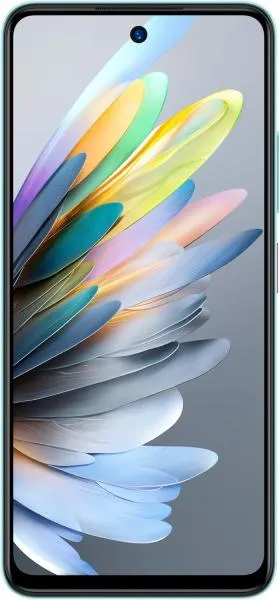
Google Pixel 7 vs. ZTE Blade A75 4G: A Deep Dive
Let's dissect the Google Pixel 7 and the ZTE Blade A75 4G, two smartphones targeting different segments of the market. We'll go beyond the spec sheet to uncover what these differences truly mean for you.
1. Specifications Breakdown
| Feature | Google Pixel 7 | ZTE Blade A75 4G | Real-World Implications |
|---|---|---|---|
| Design | |||
| Dimensions (mm) | 155.6 x 73.2 x 8.7 | 164.1 x 75.8 x 8.6 | Pixel 7 is more compact and pocketable. |
| Weight (g) | 197 | 189 | Negligible difference in weight; both are comfortable to hold. |
| Build Quality | Premium (Glass/Aluminum) | Plastic | Pixel 7 feels more substantial and durable, contributing to a premium experience. |
| Display | |||
| Display Type | AMOLED, 90Hz | IPS LCD, 90Hz | Pixel 7 offers deeper blacks, more vibrant colors, and better outdoor visibility. |
| Resolution | 1080 x 2400 | 720 x 1612 | Pixel 7 has significantly sharper visuals and text. A75's resolution feels dated. |
| PPI Density | 416 | 267 | Pixel 7 displays incredibly crisp details; A75 shows noticeable pixelation. |
| Performance | |||
| Chipset | Google Tensor G2 | Unisoc T606 | Pixel 7 provides vastly superior processing power for demanding tasks and gaming. |
| CPU | Octa-core (2x2.85 GHz Cortex-X1...) | Octa-core (2x1.6 GHz Cortex-A75...) | Pixel 7 handles multitasking and complex apps with ease; A75 may struggle with heavier workloads. |
| GPU | Mali-G710 MP7 | Mali-G57 MP1 | Pixel 7 offers significantly better graphics performance for smooth gaming and UI transitions. |
| RAM | 8GB | 4/8GB | Both can handle day-to-day tasks, but 8GB on Pixel 7 ensures smoother multitasking. |
| Camera | |||
| Main Camera | 50MP, f/1.85 | 50MP, f/1.8 | Pixel 7 leverages superior image processing for significantly better photo and video quality. |
| Selfie Camera | 10.8MP | 8MP | Pixel 7 likely produces better selfie photos with more detail. |
| Video Recording | Up to 4K@60fps | 1080p@30fps | Pixel 7 offers higher resolution and frame rate video recording with superior stabilization. |
| Battery Life | |||
| Capacity | 4355 mAh | 5000 mAh | A75 has a larger battery, but Pixel 7's efficient processor may lead to comparable real-world usage. |
2. Key Insights
- Performance Disparity: The Google Tensor G2 chip in the Pixel 7 significantly outperforms the Unisoc T606 in the A75. This translates to a smoother, more responsive experience across the board, especially in demanding applications and games.
- Display Quality: The Pixel 7's AMOLED display with a higher resolution and pixel density delivers a vastly superior visual experience compared to the A75's IPS LCD.
- Camera Prowess: While both phones boast a 50MP main camera, the Pixel 7’s advanced image processing algorithms and computational photography capabilities result in dramatically better photos and videos.
- Price-to-Performance: The A75 is a budget-friendly option, but the Pixel 7 offers substantially better performance and features for the price difference.
3. User Profiles and Recommendations
- Pixel 7: Ideal for users who prioritize performance, a premium user experience, excellent camera quality, and a vibrant display. This phone is suitable for power users, photographers, content creators, and gamers.
- ZTE Blade A75 4G: Best suited for budget-conscious users who primarily use their phones for basic tasks like calling, texting, web browsing, and social media. This phone is a good option for students, seniors, or anyone looking for a simple, affordable device.
4. Buying Decision Framework
- What is your budget? If you're on a tight budget, the A75 is the more affordable choice. However, if you can stretch your budget, the Pixel 7 offers significantly more value.
- What are your primary phone usage patterns? For basic tasks, the A75 suffices. But for demanding apps, gaming, or content creation, the Pixel 7's superior performance is crucial.
- How important is camera quality? The Pixel 7's camera is a clear winner. If capturing high-quality photos and videos is a priority, the Pixel 7 is the better choice.
My Choice: I would choose the Google Pixel 7. While the ZTE Blade A75 4G offers a larger battery and a lower price point, the Pixel 7's superior performance, display, camera, and overall user experience are far more compelling. As a tech journalist, I demand a phone that can keep up with my workflow, capture high-quality photos and videos, and offer a smooth, enjoyable user experience. The Pixel 7 delivers on all fronts. The price difference is justified by the substantial leap in quality and capabilities. The A75 feels like a device from a previous generation in comparison.
