Google Pixel 7 vs. Xiaomi 14T Pro: A Deep Dive for the Discerning User
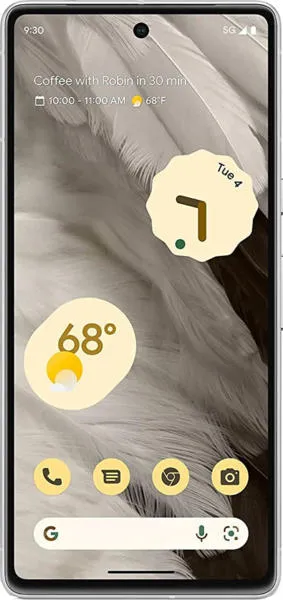
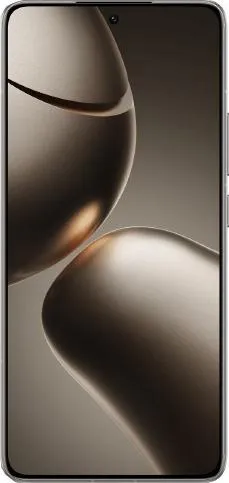
The smartphone landscape is constantly evolving, and choosing the right device can feel overwhelming. Today, we'll dissect two compelling contenders in the mid-range arena: the Google Pixel 7 and the Xiaomi 14T Pro. By blending technical expertise with real-world insights, we'll equip you to make the best decision for your needs.
1. Specifications Breakdown
| Feature | Google Pixel 7 | Xiaomi 14T Pro | Real-World Implications |
|---|---|---|---|
| Design | |||
| Dimensions (mm) | 155.6 x 73.2 x 8.7 | 160.4 x 75.1 x 8.4 | Pixel 7 is slightly smaller and lighter, offering better one-handed usability. 14T Pro might feel bulkier in pockets. |
| Weight (g) | 197 | 209 | Noticeable difference in hand; Pixel 7 feels more agile. |
| Display | |||
| Size (inches) | 6.3 | 6.67 | 14T Pro offers a larger canvas for media consumption and multitasking. Pixel 7 is more pocketable. |
| Resolution (px) | 1080 x 2400 | 1220 x 2712 | Both are sharp, but the 14T Pro boasts a slightly higher pixel density (446 vs 416 PPI), resulting in crisper text and images. |
| Refresh Rate (Hz) | 90 | 144 | 14T Pro's 144Hz display delivers noticeably smoother scrolling and animations, especially beneficial for gaming and fast-paced content. |
| Peak Brightness | 1400 nits | 4000 nits | 14T Pro's significantly higher peak brightness ensures exceptional outdoor visibility, even in direct sunlight. |
| Performance | |||
| Chipset | Google Tensor G2 | Dimensity 9300+ | Both are powerful, but benchmarks suggest the Dimensity 9300+ might edge out the Tensor G2 in raw performance. |
| RAM (GB) | 8 | 12 | 14T Pro's larger RAM capacity allows for more apps to run in the background without impacting performance. |
| Camera | |||
| Main Sensor (MP) | 50 | 50 | Comparable main sensor resolution, but image quality will depend on processing and lens quality. |
| Ultrawide (MP) | 12 | 12 | Similar ultrawide capabilities on paper. |
| Telephoto (MP) | N/A | 50 | 14T Pro offers a dedicated telephoto lens for optical zoom, a significant advantage for capturing distant subjects. |
| Video | 4K@60fps | 8K@30fps | 14T Pro can record in higher resolution, but 4K@60fps on the Pixel 7 is likely more practical for most users. |
| Battery Life | |||
| Capacity (mAh) | 4355 | 5000 | 14T Pro's larger battery capacity suggests longer usage time on a single charge. |
2. Key Insights
The Pixel 7 shines with its compact form factor, clean Android experience, and Google's renowned computational photography prowess. Its Tensor G2 chip, while not the absolute powerhouse, excels in AI-driven tasks and delivers a smooth user experience.
The Xiaomi 14T Pro, on the other hand, pushes the boundaries with its impressive hardware: a stunning 144Hz display, a potent Dimensity 9300+ processor, a versatile camera system with a dedicated telephoto lens, and a massive battery.
3. User Profiles and Recommendations
Pixel 7: Ideal for users who prioritize a clean, smooth Android experience, compact size, and excellent camera performance in a pocketable device.
Xiaomi 14T Pro: Best suited for power users, gamers, and multimedia enthusiasts who demand top-tier performance, a stunning display, and all-day battery life.
4. Buying Decision Framework
- What's your budget? The Pixel 7 generally comes at a lower price point than the 14T Pro.
- Do you prioritize portability or screen real estate? The Pixel 7 is smaller and more pocketable, while the 14T Pro offers a larger display.
- What are your most common use cases? The Pixel 7 excels in everyday tasks and photography, while the 14T Pro shines in demanding applications like gaming and multimedia consumption.
My Choice: The Xiaomi 14T Pro
While I appreciate the Pixel 7's compact design and clean software, the Xiaomi 14T Pro's superior hardware package is too compelling to ignore. The combination of a blazing-fast 144Hz display, the powerful Dimensity 9300+, a versatile camera system with a dedicated telephoto lens, and a massive battery aligns perfectly with my power-user needs. The future-proofing offered by the 14T Pro, especially in terms of display and performance, makes it a more compelling long-term investment for me. While the larger size might be a slight drawback, the significant gains in performance, battery life, and display quality outweigh the minor inconvenience.
