
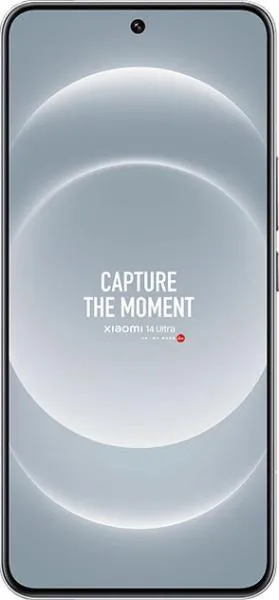
Let's dive into a comprehensive comparison of the Google Pixel 7 and the Xiaomi 14 Ultra.
1. Specifications Breakdown
| Feature | Google Pixel 7 | Xiaomi 14 Ultra | Real-World Implications |
|---|---|---|---|
| Design | |||
| Dimensions (mm) | 155.6 x 73.2 x 8.7 | 161.4 x 75.3 x 9.2 | Xiaomi 14 Ultra is larger and heavier. Pixel 7 is more pocketable. |
| Weight (g) | 197 | 229.5 | Noticeable difference in hand; extended use might be more comfortable with the lighter Pixel 7. |
| Display | |||
| Size (inches) | 6.3 | 6.73 | Xiaomi offers a larger screen for more immersive media consumption. |
| Resolution (px) | 1080 x 2400 | 1440 x 3200 | Xiaomi boasts sharper visuals due to higher resolution. |
| Refresh Rate (Hz) | 90 | 120 | Xiaomi provides smoother scrolling and animations. |
| Peak Brightness | 1400 nits | 3000 nits | Xiaomi's display is significantly brighter, crucial for outdoor visibility. |
| Performance | |||
| Chipset | Google Tensor G2 | Snapdragon 8 Gen 3 | Xiaomi's newer Snapdragon chip likely offers superior raw performance. |
| CPU | Octa-core (2x2.85 GHz Cortex-X1 & 2x2.35 GHz Cortex-A78 & 4x1.80 GHz Cortex-A55) | Octa-core (1x3.3 GHz Cortex-X4 & 3x3.2 GHz Cortex-A720 & 2x3.0 GHz Cortex-A720 & 2x2.3 GHz Cortex-A520) | Xiaomi's CPU architecture suggests better multi-tasking and heavy workload handling. |
| RAM (GB) | 8 | 16 | Double the RAM on the Xiaomi allows for more apps to run in the background without reloading. |
| Camera | |||
| Main Sensor (MP) | 50 | 50 | Comparable main sensor resolution; image quality will depend on processing and lens quality. |
| Lens System | Dual | Quad | Xiaomi offers a more versatile camera system with telephoto and ultrawide capabilities. |
| Video Recording | 4K@60fps | 8K@30fps | Xiaomi supports higher resolution video recording. |
| Battery Life | |||
| Capacity (mAh) | 4355 | 5000 | Xiaomi has a larger battery, potentially translating to longer usage time. |
2. Key Insights
- Performance: The Xiaomi 14 Ultra, with its Snapdragon 8 Gen 3 and 16GB RAM, is likely a powerhouse for demanding tasks and multitasking. The Pixel 7, while powerful, focuses on optimized performance within its ecosystem, prioritizing efficiency and AI capabilities over sheer processing power.
- Display: The Xiaomi 14 Ultra's display is a clear winner with its higher resolution, faster refresh rate, and significantly brighter panel. This translates to a noticeably smoother, more vibrant, and easily viewable screen, especially outdoors.
- Camera: While both phones have a 50MP main sensor, the Xiaomi 14 Ultra's quad-camera system offers greater versatility with its telephoto and ultrawide lenses. Its advanced features like variable aperture and Leica optics suggest a superior photography experience.
- Software & Ecosystem: The Pixel 7 provides a pure Android experience with faster updates and Google's signature AI integration. Xiaomi's MIUI offers customization options but might have bloatware and potentially slower updates.
3. User Profiles and Recommendations
- Pixel 7: Ideal for users who prioritize a clean, smooth Android experience, value timely updates, and appreciate Google's AI-powered features. Best for everyday tasks, casual photography, and users deeply embedded in the Google ecosystem.
- Xiaomi 14 Ultra: Suited for power users, mobile photographers/videographers, and those who demand top-tier hardware and a larger, more immersive display. This phone excels in demanding tasks, gaming, content creation, and media consumption.
4. Buying Decision Framework
- What is your budget? The Xiaomi 14 Ultra is expected to be considerably more expensive.
- What are your primary use cases? Prioritize the Pixel 7 for seamless software and AI integration; choose the Xiaomi 14 Ultra for raw power, superior display, and advanced camera features.
- Do you value a clean Android experience or extensive customization? Pixel 7 offers a pure Google experience; Xiaomi offers MIUI with more customization options.
My Choice
If I were choosing, I'd lean towards the Xiaomi 14 Ultra. While the Pixel 7 offers a compelling software experience, the Xiaomi 14 Ultra's hardware advantages are too significant to ignore. The combination of a stunning display, powerful processor, versatile camera system, and larger battery aligns better with my needs as a tech enthusiast who often pushes devices to their limits. I appreciate having the extra horsepower for demanding tasks, the flexibility of a comprehensive camera setup, and the immersive experience of a high-quality display. While I acknowledge the potential price premium, the Xiaomi 14 Ultra appears to offer a significant leap in overall capabilities that justifies the investment for my usage patterns.
