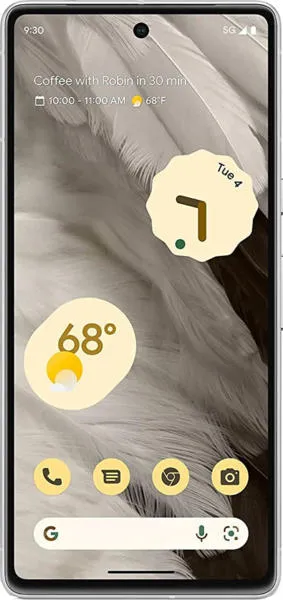
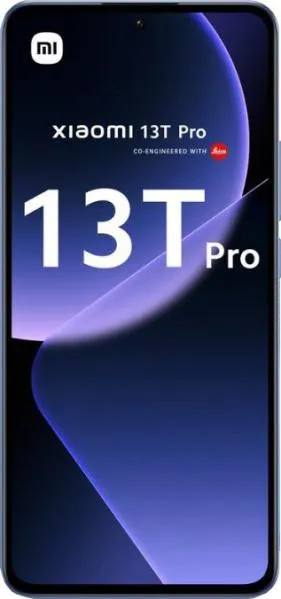
Let's dive into a comprehensive comparison of the Google Pixel 7 and the Xiaomi 13T Pro, dissecting their specifications and uncovering what they truly offer in the real world.
1. Specifications Breakdown
| Feature | Google Pixel 7 | Xiaomi 13T Pro | Real-World Implications |
|---|---|---|---|
| Design | |||
| Dimensions | 155.6 x 73.2 x 8.7 mm | 162.2 x 75.7 x 8.5mm | Pixel 7 is slightly smaller and more pocketable. |
| Weight | 197g | 200g | Negligible weight difference in daily use. |
| Display | |||
| Size | 6.3" | 6.67" | 13T Pro offers a larger screen for more immersive content consumption. |
| Resolution | 1080 x 2400 | 1220 x 2712 | 13T Pro boasts sharper visuals due to higher resolution. |
| Refresh Rate | 90Hz | 144Hz | 13T Pro provides smoother scrolling and animations, beneficial for gaming and fast-paced interactions. |
| Peak Brightness | 1400 nits | 2600 nits | 13T Pro's significantly higher brightness ensures excellent outdoor visibility. |
| Performance | |||
| Chipset | Google Tensor G2 | Dimensity 9200+ | Both are powerful chips, but benchmarks suggest the 9200+ has a performance edge. |
| RAM | 8GB | 12GB | 13T Pro's extra RAM enables better multitasking and app switching. |
| Camera | |||
| Main Sensor | 50MP Samsung GN1 | 50MP Sony IMX707 | Both offer excellent main cameras, likely with comparable image quality. |
| Telephoto | No dedicated Telephoto | 50MP OmniVision | 13T Pro has a dedicated telephoto lens for optical zoom, a significant advantage. |
| Ultrawide | 12MP | 13MP | Minor difference in ultrawide resolution. |
| Battery Life | |||
| Capacity | 4355 mAh | 5000 mAh | 13T Pro's larger battery likely translates to longer usage time. |
2. Key Insights
The Pixel 7 prioritizes a compact, refined experience with Google's signature software and AI-powered features. Its Tensor G2 chip, while not the absolute powerhouse, delivers excellent performance for everyday tasks and boasts superior AI capabilities for tasks like voice recognition and image processing.
The Xiaomi 13T Pro pushes for top-tier specifications with its larger, high-refresh-rate display, more powerful Dimensity 9200+ processor, and a versatile camera system that includes a dedicated telephoto lens. The larger battery also caters to power users. Xiaomi focuses on delivering maximum hardware capability.
3. User Profiles and Recommendations
Pixel 7: Ideal for users who value a smooth, intuitive software experience, a compact form factor, and excellent camera performance in a pocketable package. It shines in everyday tasks, leveraging Google's AI for a seamless user experience.
Xiaomi 13T Pro: Suited for power users, gamers, and multimedia enthusiasts who demand the best possible hardware, including a stunning display, top-tier performance, long battery life, and a versatile camera system.
4. Buying Decision Framework
- What matters most: software experience or hardware power? Pixel 7 for the former, 13T Pro for the latter.
- Is a compact phone essential, or do you prefer a larger screen? Pixel 7 for pocketability, 13T Pro for immersive visuals.
- What is your budget? While both are mid-range, the 13T Pro's higher storage configurations push it towards the higher end.
My Choice
If I were choosing between these two, I'd lean towards the Xiaomi 13T Pro. While I appreciate the Pixel's software finesse and compact size, the 13T Pro's superior hardware, especially the 144Hz display, dedicated telephoto lens, and significantly larger battery, are compelling. As someone who often pushes their phone to its limits with multitasking, photography, and occasional gaming, the 13T Pro aligns better with my needs. The brighter display is a huge advantage for outdoor use, which is important to me. While the larger size might be a minor drawback, the overall package offered by the 13T Pro outweighs it.
