Google Pixel 7 vs. Xiaomi 13 Ultra: A Tech Journalist's Deep Dive
Let's dissect the Google Pixel 7 and the Xiaomi 13 Ultra, two compelling smartphones with distinct strengths. My goal is to provide a clear, technically grounded comparison that helps you decide which phone best fits your needs.
1. Specifications Breakdown
| Feature | Google Pixel 7 | Xiaomi 13 Ultra | Real-World Implications |
|---|---|---|---|
| Design | |||
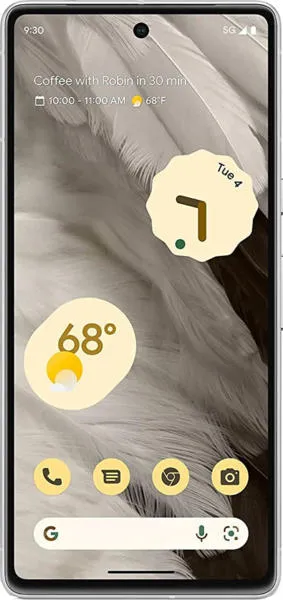
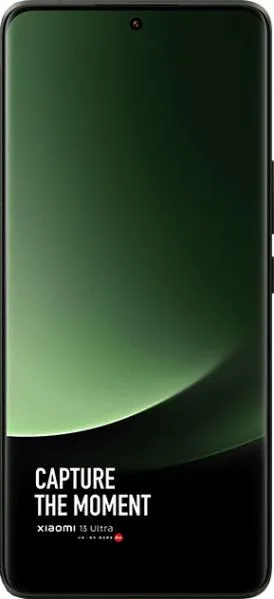
| Dimensions (mm) | 155.6 x 73.2 x 8.7 | 163.2 x 74.6 x 9.1 | Pixel 7 is noticeably smaller and lighter, easier for one-handed use. |
| Weight (g) | 197 | 227 | Xiaomi 13 Ultra's heft might be tiring for extended use. |
| Display | |||
| Size (inches) | 6.3 | 6.73 | Xiaomi offers a larger canvas for media consumption. |
| Resolution (px) | 1080 x 2400 | 1440 x 3200 | Xiaomi boasts sharper visuals due to higher pixel density. |
| Refresh Rate (Hz) | 90 | 120 | Xiaomi's 120Hz display will feel smoother, especially in gaming and scrolling. |
| Peak Brightness (nits) | 1400 | 2600 | Xiaomi's display is significantly brighter, ensuring excellent outdoor visibility. |
| Performance | |||
| Chipset | Google Tensor G2 | Snapdragon 8 Gen 2 | Snapdragon 8 Gen 2 generally benchmarks higher in raw performance. |
| RAM (GB) | 8 | 12/16 | Xiaomi offers more RAM for heavier multitasking and future-proofing. |
| Camera | |||
| Main Sensor (MP) | 50 | 50 (1-inch sensor) | Xiaomi uses a much larger sensor, promising superior low-light performance and depth of field. |
| Lens System | Dual | Quad (Leica tuned) | Xiaomi provides greater versatility with telephoto and variable aperture. |
| Battery Life | |||
| Capacity (mAh) | 4355 | 5000 | Xiaomi's larger battery likely translates to longer usage time. |
2. Key Insights
- Performance: While the Tensor G2 excels in AI tasks and delivers a smooth experience, the Snapdragon 8 Gen 2 in the Xiaomi 13 Ultra provides a noticeable edge in raw processing power and graphics performance.
- Camera: The Xiaomi 13 Ultra's camera system is a clear highlight. The 1-inch main sensor, Leica collaboration, and versatile lens setup promise exceptional image quality, especially in challenging lighting conditions. Pixel 7 relies on Google's computational photography prowess, delivering excellent results but lacking Xiaomi's hardware advantages.
- Display: The Xiaomi 13 Ultra offers a superior display with higher resolution, refresh rate, and peak brightness. This translates to a more immersive and enjoyable viewing experience.
- Software: Pixel 7 champions a clean, stock Android experience with faster updates, while Xiaomi's MIUI offers extensive customization but can feel more bloated.
3. User Profiles and Recommendations
- Pixel 7: Ideal for users who prioritize a clean software experience, compact size, and excellent camera performance in a more affordable package. Best suited for everyday tasks, casual photography, and those who value timely software updates.
- Xiaomi 13 Ultra: Designed for power users, photography enthusiasts, and those who demand top-tier hardware. This phone shines in mobile gaming, demanding applications, and capturing professional-grade photos and videos.
4. Buying Decision Framework
- What is your budget? The Pixel 7 offers great value for its price, while the Xiaomi 13 Ultra sits in the premium segment.
- Are you a photography enthusiast? If capturing stunning images is a top priority, the Xiaomi 13 Ultra's camera system is a compelling reason to choose it.
- Do you value a clean software experience or extensive customization? Pixel's stock Android appeals to purists, while MIUI offers more flexibility for tweaking the user interface.
My Choice: As a tech journalist who often pushes devices to their limits and values cutting-edge technology, I would choose the Xiaomi 13 Ultra. The superior camera system, stunning display, and powerful performance outweigh the higher price and slightly larger size. While I appreciate the Pixel's clean software, the 13 Ultra's hardware capabilities are simply too enticing for a tech enthusiast like me. The ability to capture professional-quality images with the 1-inch sensor and Leica lenses, combined with the immersive display and robust performance, make it a true flagship experience. However, I acknowledge that for many users, the Pixel 7 offers a compelling balance of performance, features, and affordability.
