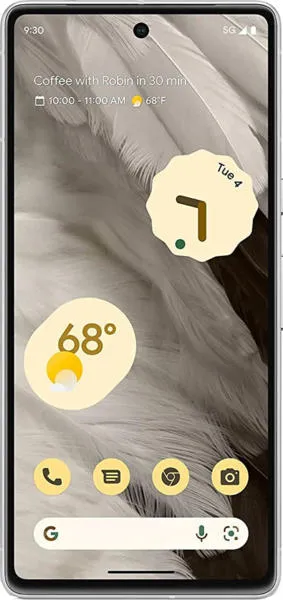
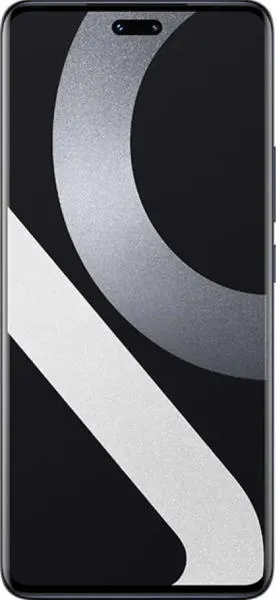
Google Pixel 7 vs. Xiaomi 13 Lite: A Deep Dive for the Discerning Smartphone User
The mid-range smartphone arena is fiercely competitive, with devices vying for your attention with compelling features and aggressive pricing. Today, we dissect two contenders: the Google Pixel 7 and the Xiaomi 13 Lite. Let's move beyond the marketing hype and delve into the engineering realities to see how these phones stack up in the real world.
1. Specifications Breakdown
| Feature | Google Pixel 7 | Xiaomi 13 Lite | Real-World Implications |
|---|---|---|---|
| Design | |||
| Dimensions (mm) | 155.6 x 73.2 x 8.7 | 159.2 x 72.7 x 7.2 | Pixel 7 is slightly smaller, potentially more pocketable; 13 Lite is significantly thinner. |
| Weight (g) | 197 | 171 | 13 Lite noticeably lighter for extended use. |
| Build Materials | Aluminum frame, Gorilla Glass Victus | Glass front (Gorilla Glass 5), plastic frame | Pixel 7 boasts more premium materials for durability. |
| Display | |||
| Size (inches) | 6.3 | 6.55 | 13 Lite offers a slightly larger screen for media consumption. |
| Resolution | 1080 x 2400 | 1080 x 2400 | Comparable sharpness, though Pixel's smaller size results in slightly higher pixel density. |
| Refresh Rate (Hz) | 90 | 120 | 13 Lite's 120Hz delivers smoother scrolling and animations. |
| Display Type | AMOLED, 90Hz, HDR10+ | AMOLED, 120Hz, HDR10+, Dolby Vision | Both offer vibrant AMOLEDs, but 13 Lite has a faster refresh rate and Dolby Vision. |
| Performance | |||
| Chipset | Google Tensor G2 | Snapdragon 7 Gen 1 | Tensor G2 excels in AI tasks and image processing; Snapdragon 7 Gen 1 generally stronger in raw CPU/GPU performance. |
| RAM (GB) | 8 | 8 | Both offer ample RAM for multitasking. |
| Storage | 128/256 GB | 128/256 GB | Comparable storage options. |
| Camera | |||
| Main Camera (MP) | 50 | 50 | Both utilize high-resolution sensors. |
| Ultrawide (MP) | 12 | 8 | Pixel 7's ultrawide offers higher resolution. |
| Selfie Camera | 10.8 | 32+8 | 13 Lite boasts a significantly higher resolution selfie camera with a depth sensor. |
| Battery Life | |||
| Capacity (mAh) | 4355 | 4500 | 13 Lite has a slightly larger battery. |
2. Key Insights
- Performance Prowess: The Pixel 7, with its Tensor G2 chip, shines in AI-powered features, delivering a snappy user experience and exceptional image processing. The Snapdragon 7 Gen 1 in the 13 Lite offers broader performance capabilities, especially in graphically demanding tasks.
- Visual Feast: Both phones feature vibrant AMOLED displays, but the 13 Lite's 120Hz refresh rate provides a noticeable advantage in smoothness. While the Pixel 7's display is excellent, the 13 Lite's higher refresh rate and Dolby Vision support make it a winner for media enthusiasts.
- Camera Capabilities: Both phones boast impressive primary cameras. However, the Pixel 7's superior image processing consistently delivers stunning photos, especially in challenging lighting. The 13 Lite's dual selfie camera setup with a depth sensor is a boon for vloggers and selfie aficionados.
- Endurance Race: While the 13 Lite boasts a slightly larger battery, real-world battery life will depend on usage patterns. The Pixel 7's software optimization could potentially offset the capacity difference.
3. User Profiles and Recommendations
- Pixel 7: Ideal for users prioritizing a clean Android experience, seamless AI integration, and a top-tier camera. Its compact size and premium build also appeal to those seeking a refined and pocketable device.
- Xiaomi 13 Lite: Best suited for multimedia enthusiasts who value a smooth, high refresh rate display and a feature-rich selfie camera setup. Its lighter weight and larger battery are attractive for extended use.
4. Buying Decision Framework
- What is your primary use case? Photography, social media, gaming, or general productivity?
- Do you prioritize software experience or hardware specifications? A clean Android experience with AI integration or a feature-packed device with a high refresh rate display?
- What is your budget? Consider the price-to-value ratio based on your individual needs.
My Choice: As a tech journalist who values a polished software experience and exceptional camera performance, I would choose the Google Pixel 7. The Tensor G2's AI capabilities, coupled with Google's commitment to software updates and the phone's overall refined experience, are compelling. While the 13 Lite offers a tempting high refresh rate display and larger battery, the Pixel 7's strengths align more closely with my priorities. The Pixel 7 feels like a more complete package, even with the 13 Lite's advantages in certain areas.
