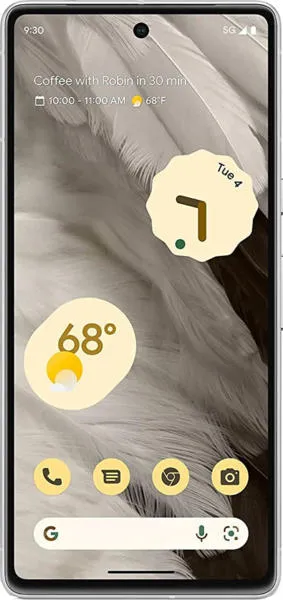
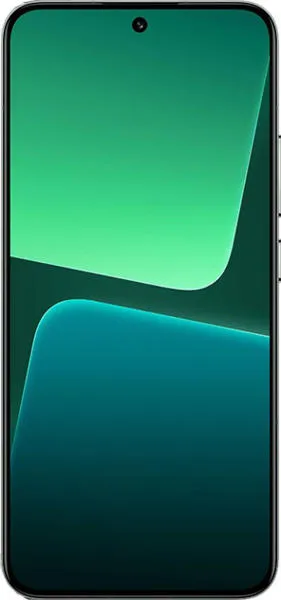
Google Pixel 7 vs. Xiaomi 13: A Deep Dive for the Discerning Smartphone User
The smartphone landscape is constantly evolving, and choosing the right device can feel overwhelming. Today, we'll dissect two compelling contenders: the Google Pixel 7 and the Xiaomi 13. By blending technical expertise with real-world insights, we'll empower you to make an informed decision.
1. Specifications Breakdown
| Feature | Google Pixel 7 | Xiaomi 13 | Real-World Implications |
|---|---|---|---|
| Design | |||
| Dimensions (mm) | 155.6 x 73.2 x 8.7 | 152.8 x 71.5 x 8.0 | Xiaomi 13 is slightly smaller and lighter. |
| Weight (g) | 197 | 185 | Noticeable difference in hand; Xiaomi 13 feels more portable. |
| Display | |||
| Size (inches) | 6.3 | 6.36 | Negligible difference in screen real estate. |
| Resolution (px) | 1080 x 2400 | 1080 x 2400 | Both offer sharp visuals; pixel density is nearly identical. |
| Refresh Rate (Hz) | 90 | 120 | Xiaomi 13 provides smoother scrolling and animations. |
| Peak Brightness (nits) | 1400 | 1900 | Xiaomi 13 offers superior visibility in direct sunlight. |
| Performance | |||
| Chipset | Google Tensor G2 | Snapdragon 8 Gen 2 | Snapdragon 8 Gen 2 generally benchmarks higher in raw performance. |
| CPU | Octa-core (2x2.85 GHz Cortex-X1 & 2x2.35 GHz Cortex-A78 & 4x1.80 GHz Cortex-A55) | Octa-core (1x3.2 GHz Cortex-X3 & 2x2.8 GHz Cortex-A715 & 2x2.8 GHz Cortex-A710 & 3x2.0 GHz Cortex-A510) | Xiaomi 13 likely to handle demanding tasks and multitasking more efficiently. |
| GPU | Mali-G710 MP7 | Adreno 740 | Adreno 740 generally delivers better gaming performance. |
| RAM (GB) | 8 | 8/12 | Xiaomi 13 offers a 12GB RAM option for even more aggressive multitasking. |
| Camera | |||
| Main Camera (MP) | 50 | 54 | Both offer high-resolution sensors; image quality depends more on processing. |
| Ultrawide (MP) | 12 | 13 | Minor difference; real-world performance will depend on lens quality and software. |
| Telephoto (MP) | - | 10 | Xiaomi 13 offers optical zoom capability, Pixel 7 relies on digital zoom. |
| Battery Life | |||
| Capacity (mAh) | 4355 | 4500 | Xiaomi 13 has a slightly larger battery, but real-world usage will vary. |
2. Key Insights
The Pixel 7 shines in its computational photography prowess. The Tensor G2 chip enables features like Magic Eraser and Photo Unblur, delivering stunning images even in challenging conditions. Its clean Android experience, guaranteed updates, and tight integration with Google services are major draws.
The Xiaomi 13, on the other hand, boasts a performance advantage with the Snapdragon 8 Gen 2. This translates to faster app loading, smoother gaming, and more responsive multitasking. Its 120Hz display offers a noticeably smoother visual experience. The inclusion of a telephoto lens adds versatility to its camera system.
3. User Profiles and Recommendations
Pixel 7: Ideal for users who prioritize camera quality, a clean Android experience, and seamless integration with Google's ecosystem. Excellent choice for photography enthusiasts and those who value software over raw hardware power.
Xiaomi 13: Best suited for power users, gamers, and those who demand top-tier performance. The higher refresh rate display, faster processor, and optional larger RAM make it a multimedia powerhouse.
4. Buying Decision Framework
Questions to Ask Yourself:
- What matters most: camera quality or overall performance?
- Do you prefer a clean Android experience with guaranteed updates, or a more customized UI with potentially more features?
- What's your budget? The Xiaomi 13 commands a higher price.
Scenario-Based Recommendations:
- Casual User: Pixel 7 offers a great balance of features and ease of use.
- Power User/Gamer: Xiaomi 13 provides the performance edge for demanding tasks.
- Photography Enthusiast: Pixel 7's computational photography is hard to beat.
My Choice: The Xiaomi 13
While I deeply appreciate the Pixel 7's camera and software experience, I would choose the Xiaomi 13. The Snapdragon 8 Gen 2's performance advantage, coupled with the 120Hz display and the versatility of a dedicated telephoto lens, aligns better with my usage patterns. As someone who frequently multitasks, consumes multimedia content, and appreciates responsive performance, the Xiaomi 13, despite its higher price point, offers a more compelling overall package. The slightly smaller and lighter form factor is a bonus for me. While I would miss some of the Pixel-exclusive software features, the gains in performance and versatility outweigh those for my personal needs.
