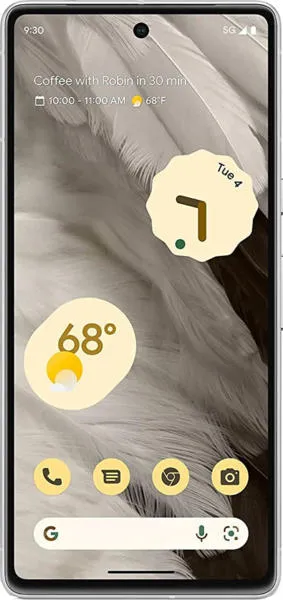
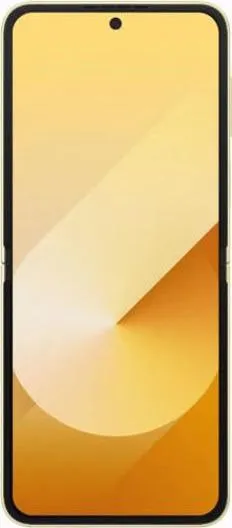
Google Pixel 7 vs. Samsung Galaxy Z Flip6: A Deep Dive for the Discerning User
The smartphone landscape is constantly evolving, and choosing the right device can feel overwhelming. Today, we'll dissect two compelling contenders: the Google Pixel 7 and the Samsung Galaxy Z Flip6. We'll go beyond the spec sheet, translating technical jargon into real-world implications to help you make an informed decision.
1. Specifications Breakdown
| Feature | Google Pixel 7 | Samsung Galaxy Z Flip6 | Real-World Implications |
|---|---|---|---|
| Design | |||
| Dimensions (mm) | 155.6 x 73.2 x 8.7 | 165.1 x 71.9 x 6.9 (Unfolded) | Flip6's compact folded size offers unmatched portability; Pixel 7 is a more traditional slab design. |
| Weight (g) | 197 | 187 | Both are relatively lightweight, but the Flip6's foldability adds a unique tactile experience. |
| Foldable | No | Yes | Flip6's foldable design is a conversation starter and offers unique functionalities like Flex Mode. |
| Display | |||
| Display Size (inches) | 6.3 | 6.7 | Flip6 boasts a larger screen for immersive content consumption. |
| Resolution (px) | 1080 x 2400 | 1080 x 2640 | Both offer sharp visuals, but the Flip6 has a slightly higher pixel density (426 ppi vs. 416 ppi). |
| Refresh Rate (Hz) | 90 | 120 | Flip6's 120Hz display provides smoother scrolling and animations, enhancing responsiveness. |
| Display Type | AMOLED, 90Hz | Foldable Dynamic AMOLED 2X, 120Hz | Flip6's cutting-edge foldable display technology delivers vibrant colors and deep blacks. Durability is a key concern with foldable displays. |
| Performance | |||
| Chipset | Google Tensor G2 | Snapdragon 8 Gen 3 | Flip6's newer Snapdragon processor likely offers a performance advantage in demanding tasks and gaming. |
| CPU | Octa-core (2x2.85 GHz Cortex-X1 & 2x2.35 GHz Cortex-A78 & 4x1.80 GHz Cortex-A55) | Octa-core (1x3.39GHz Cortex-X4 & 3x3.1GHz Cortex-A720 & 2x2.9GHz Cortex-A720 & 2x2.2GHz Cortex-A520) | Flip6's newer CPU architecture and higher clock speeds translate to faster processing and multitasking. |
| RAM | 8GB | 12GB | Flip6's larger RAM capacity enables smoother multitasking and handling of demanding applications. |
| Camera | |||
| Main Camera (MP) | 50 | 50 | Comparable main camera resolution suggests similar image quality potential, although sensor and processing differences will play a role. |
| Selfie Camera (MP) | 10.8 | 10 | Marginal difference in selfie camera resolution. Real-world performance will depend on software processing. |
| Battery Life | |||
| Battery Capacity (mAh) | 4355 | 4000 | Pixel 7's larger battery capacity suggests potentially longer battery life, although real-world usage can vary significantly. |
2. Key Insights
Performance: The Flip6, with its Snapdragon 8 Gen 3 and 12GB of RAM, is likely the performance champion, ideal for demanding tasks and gaming. The Pixel 7's Tensor G2 focuses on AI and machine learning, offering a unique advantage in areas like computational photography and voice assistance.
User Experience: The Flip6's foldable design is its defining feature. It's compact when folded, offering unparalleled portability. The Pixel 7 provides a more traditional smartphone experience with a focus on clean software and intuitive usability.
Camera Prowess: Both phones boast impressive camera specs. While megapixel counts are similar, the Pixel 7's computational photography powered by the Tensor G2 might offer an edge in overall image quality and features.
3. User Profiles and Recommendations
Pixel 7: Best suited for users who prioritize a clean Android experience, excellent camera performance, and long battery life. Ideal for those seeking a reliable, no-frills smartphone with a focus on core functionalities.
Flip6: Perfect for trendsetters who value a unique, eye-catching design and cutting-edge technology. The foldable form factor offers portability and versatility for content creation and consumption on the go.
4. Buying Decision Framework
- Is portability your top priority? If so, the Flip6's compact folded size is a game-changer.
- Do you need the absolute best performance? The Flip6's Snapdragon 8 Gen 3 edges out the Pixel 7 in raw processing power.
- Is a unique, innovative design important to you? The Flip6's foldable design is a head-turner and offers distinct advantages.
My Choice: While the Flip6 is undeniably innovative, I would choose the Pixel 7. As a tech journalist focused on practical utility, the Pixel 7's longer battery life, clean Android experience, and Google's commitment to software updates are compelling. The Tensor G2, while not as powerful as the Snapdragon 8 Gen 3 in benchmarks, excels in real-world tasks that matter to me, like photography and voice assistance. While I appreciate the Flip6's novelty, the potential durability concerns and higher price point make the Pixel 7 a more sensible choice for my needs.
