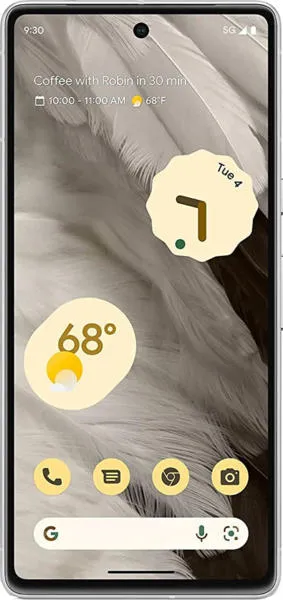
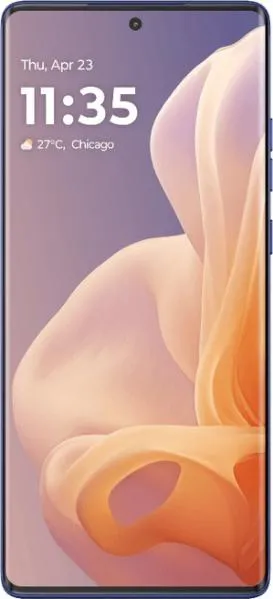
Google Pixel 7 vs. Motorola Moto G85: A Detailed Comparison
Let's dive deep into a comparative analysis of the Google Pixel 7 and the Motorola Moto G85, dissecting their specifications and translating them into real-world user experiences.
1. Specifications Breakdown
| Feature | Google Pixel 7 | Motorola Moto G85 | Real-World Implications |
|---|---|---|---|
| Design | |||
| Dimensions (mm) | 155.6 x 73.2 x 8.7 | 161.9 x 73.1 x 7.6 | Pixel 7 is more compact and pocketable. Moto G85 is slightly larger but significantly thinner. |
| Weight (g) | 197 | 171 | Pixel 7 feels more premium due to its weight, Moto G85 is lighter for extended use. |
| Display | |||
| Type | AMOLED, 90Hz | pOLED, 120Hz | Moto G85 offers smoother scrolling and animations with its higher refresh rate, though OLED quality differences are subtle in day to day use. |
| Size | 6.3" | 6.67" | Moto G85 provides a larger viewing area for media consumption. |
| Resolution | 1080 x 2400 | 1080 x 2400 | Similar sharpness on both devices due to comparable pixel density. |
| Performance | |||
| Chipset | Google Tensor G2 | Snapdragon 6s Gen 3 | Pixel 7 boasts significantly better performance in demanding tasks and AI processing. |
| CPU | Octa-core (2x2.85 GHz Cortex-X1 & 2x2.35 GHz Cortex-A78 & 4x1.80 GHz Cortex-A55) | Octa-core (2x2.3 GHz Cortex-A78 & 6x2.0 GHz Cortex-A55) | Pixel 7's more powerful CPU cores deliver superior speed and responsiveness. |
| RAM | 8GB | 12GB | Moto G85 has more RAM for multitasking, but Pixel 7's superior CPU and software optimization make it feel snappier. |
| Camera | |||
| Main Camera | 50MP, f/1.85 | 50MP, f/1.79 | Pixel 7's superior image processing and software typically result in better photos, despite similar MP count. |
| Ultrawide | 12MP, f/2.2 | 8MP, f/2.2 | Pixel 7 offers a higher resolution ultrawide camera. |
| Selfie Camera | 10.8MP, f/2.2 | 32MP, f/2.4 | Moto G85 boasts higher resolution for selfies, but Pixel 7's processing often results in more natural-looking images. |
| Battery Life | |||
| Capacity | 4355 mAh | 5000 mAh | Moto G85 boasts a significantly larger battery capacity, likely translating to longer usage time. |
2. Key Insights
- Performance: The Pixel 7's Tensor G2 chip significantly outperforms the Snapdragon 6s Gen 3 in the Moto G85, offering a smoother, more responsive experience, especially for demanding tasks and gaming. The Tensor G2 also excels in AI-powered features.
- Camera: While both phones feature a 50MP main camera, the Pixel 7's computational photography prowess shines through, delivering consistently superior image quality, particularly in challenging lighting conditions. The Pixel 7's ultrawide lens is notably superior.
- Software & Updates: The Pixel 7, being a Google phone, enjoys faster and more frequent Android updates and feature drops, ensuring a longer software support lifespan and access to the latest innovations.
- Display: The Moto G85's 120Hz refresh rate provides a noticeable advantage in smoothness for scrolling and animations. While both displays offer good color accuracy and brightness, the Pixel 7's AMOLED generally produces deeper blacks and more vibrant colors.
3. User Profiles and Recommendations
- Pixel 7: Ideal for users who prioritize performance, camera quality, a clean Android experience, and timely software updates. Photographers, power users, and those embedded in the Google ecosystem will appreciate this phone.
- Moto G85: Suitable for users seeking a large display, long battery life, and a more budget-friendly option. Casual users, media consumers, and those who prioritize all-day battery life over peak performance will find this phone appealing.
4. Buying Decision Framework
- What is your budget? The Pixel 7 sits in a higher price bracket than the Moto G85.
- What are your priorities? Prioritize the Pixel 7 for performance, camera, and software. Choose the Moto G85 for battery life, display smoothness, and affordability.
- What is your typical usage? Heavy users and gamers will benefit from the Pixel 7. Casual users and media consumers might find the Moto G85 sufficient.
My Choice: Google Pixel 7
If I were choosing between these two, I'd go with the Google Pixel 7. The superior performance of the Tensor G2, combined with the exceptional camera system and guaranteed software updates, aligns perfectly with my needs as a tech enthusiast and my reliance on a smooth, powerful smartphone experience. While the Moto G85 offers tempting features like a larger battery and 120Hz display, the Pixel 7's core strengths in performance, camera, and software are more valuable to me in the long run. The slightly higher price is justified by the significant advantages in these crucial areas.
