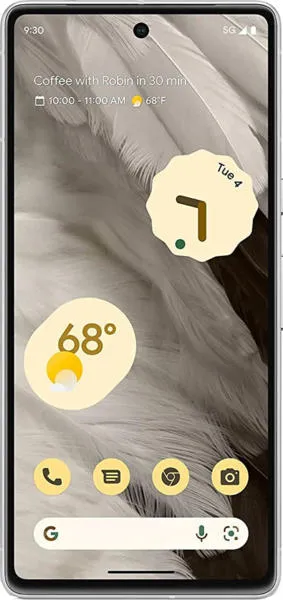
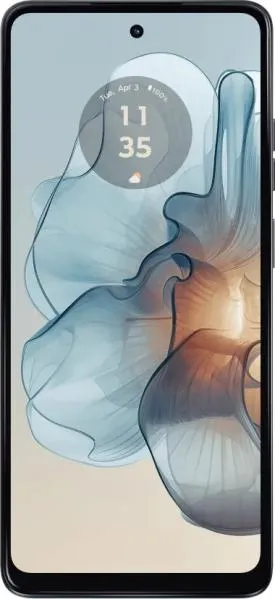
Google Pixel 7 vs. Motorola Moto G24 Power: A Deep Dive
Let's dissect the Google Pixel 7 and the Motorola Moto G24 Power, two phones vying for your attention in different price brackets. My goal is to equip you with the knowledge to choose the device that truly fits your needs.
1. Specifications Breakdown
| Feature | Google Pixel 7 | Motorola Moto G24 Power | Real-World Implications |
|---|---|---|---|
| Design | |||
| Dimensions (mm) | 155.6 x 73.2 x 8.7 | 163.5 x 74.5 x 9 | Pixel 7 is more compact and pocketable. G24 Power might feel bulkier. |
| Weight (g) | 197 | 197 | Identical weight, despite size differences, suggests denser materials in the Pixel 7. |
| Build Materials | Aluminum frame, Gorilla Glass Victus | Plastic Frame | Pixel 7 offers a more premium feel and potentially better durability. |
| Display | |||
| Type | AMOLED | IPS LCD | Pixel 7 delivers richer blacks, vibrant colors, and superior contrast. G24 Power's LCD is less impressive. |
| Size | 6.3" | 6.56" | G24 Power offers a slightly larger screen for media consumption. |
| Resolution | 1080 x 2400 | 720 x 1612 | Pixel 7 boasts significantly sharper visuals due to higher pixel density (416 ppi vs. 269 ppi). |
| Refresh Rate | 90Hz | 90Hz | Both phones offer smooth scrolling and animations. |
| Performance | |||
| Chipset | Google Tensor G2 | MediaTek Helio G85 | Pixel 7's Tensor G2 offers significantly faster processing, especially for AI tasks and demanding apps. |
| CPU | Octa-core (2x2.85 GHz Cortex-X1 & 2x2.35 GHz Cortex-A78 & 4x1.80 GHz Cortex-A55) | Octa-core (2x2.0 GHz Cortex-A75 & 6x1.7 GHz Cortex-A55) | Pixel 7's CPU architecture is more modern and powerful. |
| RAM | 8GB | 8GB | Both have ample RAM for multitasking, but the Pixel 7's superior processor will manage it more efficiently. |
| Camera | |||
| Main Camera | 50MP | 50MP | Megapixel count is similar, but Pixel 7's advanced image processing and sensor likely deliver better quality. |
| Ultrawide | 12MP | 8MP | Pixel 7 offers a higher resolution ultrawide lens. |
| Selfie Camera | 10.8MP | 8MP | Pixel 7's selfie camera boasts a higher resolution. |
| Battery Life | |||
| Capacity | 4355 mAh | 6000 mAh | G24 Power has a substantially larger battery, promising significantly longer usage time. |
| Charging | Fast charging | 18W fast charging | Pixel 7 likely charges faster, though specific wattage isn't listed for it here. |
2. Key Insights
- Performance: The Pixel 7's Tensor G2 chip is a clear winner, delivering a significantly smoother and faster experience. The Moto G24 Power, while adequate for basic tasks, will struggle with demanding applications and multitasking.
- Camera: Expect superior image quality from the Pixel 7 due to Google's renowned computational photography. While the Moto G24 Power has a comparable main sensor, its overall camera system is less sophisticated.
- Display: The Pixel 7's AMOLED display provides a vastly superior visual experience with vibrant colors and deep blacks. The G24 Power's LCD is noticeably less impressive.
- Battery: The G24 Power's massive 6000 mAh battery is its standout feature, promising exceptionally long battery life. This is a significant advantage for users who prioritize endurance.
3. User Profiles and Recommendations
- Pixel 7: Ideal for users who value performance, a premium user experience, a vibrant display, and excellent camera quality. This phone is suited for power users, photographers, and anyone who wants a flagship-level experience.
- Moto G24 Power: Best suited for budget-conscious users who prioritize long battery life above all else. Students, travelers, or those who use their phones for basic communication and web browsing will appreciate its endurance.
4. Buying Decision Framework
- What is your budget? The Pixel 7 is a mid-range device, while the Moto G24 Power is a budget option.
- What are your priorities? Prioritize performance, camera, and display? Choose the Pixel 7. Prioritize battery life above all else? The G24 Power is your pick.
- What type of user are you? A power user who demands the best? Pixel 7. A casual user who needs a reliable, long-lasting phone? Moto G24 Power.
My Choice: I would choose the Google Pixel 7. While the Moto G24 Power's battery life is tempting, I prioritize a smooth, responsive user experience, a vibrant display, and a top-tier camera. The Pixel 7's Tensor G2 chip, coupled with its excellent software and camera, offers a significantly more compelling overall package for my needs. I'm willing to sacrifice some battery life for the significant gains in performance and user experience. Plus, the Pixel 7's more compact design appeals to me.
