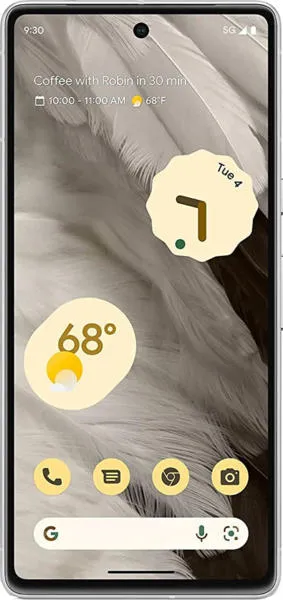
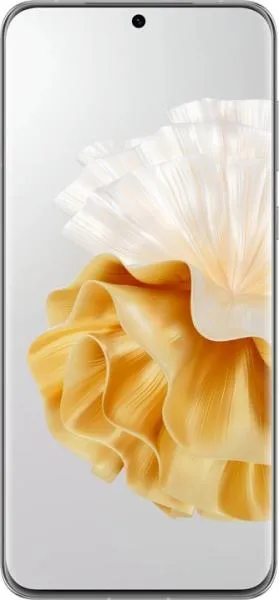
Google Pixel 7 vs. Huawei P60 Pro: A Deep Dive for the Discerning Smartphone User
Hello everyone, Alex Griffin here. Today, we're diving deep into a head-to-head comparison of two compelling smartphones: the Google Pixel 7 and the Huawei P60 Pro. Let's dissect their specs, analyze their real-world performance, and uncover which device reigns supreme for different user needs.
1. Specifications Breakdown
| Feature | Google Pixel 7 | Huawei P60 Pro | Real-World Implications |
|---|---|---|---|
| Design | |||
| Dimensions (mm) | 155.6 x 73.2 x 8.7 | 161 x 74.5 x 8.3 | P60 Pro slightly larger, may feel less compact in hand. |
| Weight (g) | 197 | 200 | Negligible weight difference in daily use. |
| Build Materials | Aluminum frame, Gorilla Glass Victus | Aluminum frame, Kunlun Glass | Both offer premium durability, though Kunlun Glass boasts higher drop resistance. |
| Display | |||
| Size (inches) | 6.3 | 6.67 | P60 Pro offers a larger screen for more immersive media consumption. |
| Resolution | 1080 x 2400 | 1220 x 2700 | P60 Pro boasts sharper visuals due to higher resolution and pixel density. |
| Refresh Rate (Hz) | 90 | 120 | P60 Pro's 120Hz delivers smoother scrolling and animations. |
| Panel Type | AMOLED | LTPO OLED | P60 Pro's LTPO panel allows for dynamic refresh rate adjustment, potentially saving battery life. |
| Performance | |||
| Chipset | Google Tensor G2 | Snapdragon 8+ Gen 1 4G | Snapdragon 8+ Gen 1 generally benchmarks higher in raw performance. |
| RAM (GB) | 8 | 8/12 | P60 Pro offers a 12GB RAM option for enhanced multitasking. |
| OS | Android 13 | EMUI 13.1 | Pixel offers a pure Android experience with faster updates; P60 Pro lacks Google Mobile Services. |
| Camera | |||
| Main Camera (MP) | 50 | 48 | Both utilize high-resolution sensors; image quality will depend on processing and lens quality. |
| Telephoto | Digital Zoom | 48MP Optical | P60 Pro significantly outperforms with a dedicated telephoto lens and optical zoom. |
| Ultrawide (MP) | 12 | 13 | Similar ultrawide capabilities; real-world performance will depend on lens quality and software. |
| Battery Life | |||
| Capacity (mAh) | 4355 | 4815 | P60 Pro has a larger battery capacity, potentially leading to longer usage time. |
2. Key Insights
- Performance: While the Snapdragon 8+ Gen 1 in the P60 Pro boasts higher benchmark scores, the Pixel 7's Tensor G2 excels in AI-powered tasks, photography processing, and smooth day-to-day performance. The difference in raw power is unlikely to be noticeable for most users.
- Camera Systems: The Pixel 7 delivers exceptional image quality with its computational photography prowess, especially in challenging lighting conditions. However, the P60 Pro's superior optical zoom capabilities provide a clear advantage for capturing distant subjects. The P60 Pro's variable aperture also allows for greater creative control.
- Software Experience: Pixel 7 offers a clean, bloatware-free Android experience with guaranteed timely updates. The P60 Pro, while running a customized EMUI skin, lacks Google Mobile Services, a significant drawback for users heavily reliant on Google's ecosystem.
- Display: The P60 Pro's LTPO OLED display with a 120Hz adaptive refresh rate delivers a visually stunning and incredibly fluid user experience. While the Pixel 7's 90Hz AMOLED is excellent, the P60 Pro edges ahead in this department.
3. User Profiles and Recommendations
- Pixel 7: Ideal for users prioritizing a pure Android experience, timely updates, exceptional camera performance in various conditions, and seamless integration with Google services. Its compact form factor also makes it a great choice for those preferring a smaller phone.
- P60 Pro: Best suited for users who value a larger, more vibrant display with a higher refresh rate, powerful hardware, impressive zoom capabilities for photography, and don't rely heavily on Google's app ecosystem.
4. Buying Decision Framework
- Are Google services essential to your workflow? If yes, the Pixel 7 is the clear winner.
- Do you prioritize camera versatility, especially optical zoom? If so, the P60 Pro's telephoto lens is a significant advantage.
- Is a large, high-refresh-rate display a top priority? The P60 Pro offers a superior visual experience in this regard.
My Choice: Personally, I would choose the Google Pixel 7. While the P60 Pro boasts impressive hardware and camera capabilities, the lack of Google Mobile Services is a deal-breaker for me. I value the seamless integration with Google's ecosystem, the clean Android experience, the promise of timely updates, and the Pixel's consistent excellence in computational photography. Furthermore, the Pixel 7's more compact size aligns better with my personal preferences. While the P60 Pro is a compelling device, the Pixel 7 better suits my needs and priorities.
