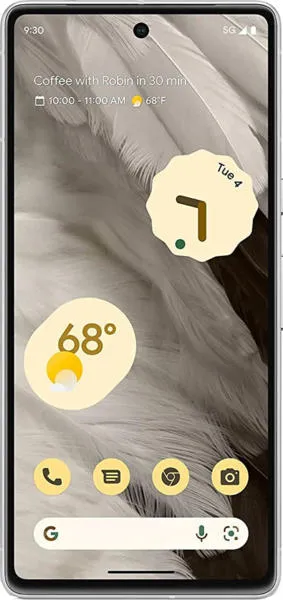
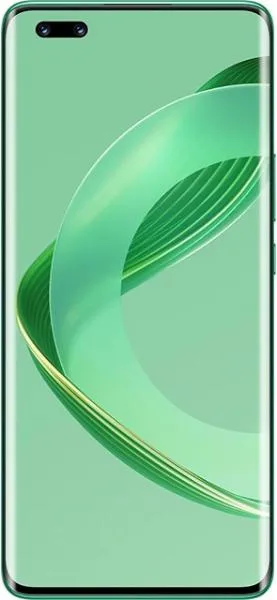
Let's dive into a comparative analysis of the Google Pixel 7 and the Huawei nova 11 Pro, dissecting their technical specifications and translating them into real-world implications for you.
1. Specifications Breakdown
| Feature | Google Pixel 7 | Huawei nova 11 Pro | Real-World Implications |
|---|---|---|---|
| Design | |||
| Dimensions (mm) | 155.6 x 73.2 x 8.7 | 164.3 x 74.4 x 7.9 | Nova 11 Pro is taller and wider, Pixel 7 slightly thicker. Nova might feel larger in hand. |
| Weight (g) | 197 | 188 | Nova 11 Pro is lighter, potentially more comfortable for extended use. |
| Display | |||
| Size (inches) | 6.3 | 6.78 | Nova 11 Pro offers a larger screen for more immersive media consumption. |
| Resolution (px) | 1080 x 2400 | 1200 x 2652 | Both are sharp, but Nova 11 Pro has a slightly higher pixel density. Negligible difference in everyday use. |
| Refresh Rate (Hz) | 90 | 120 | Nova 11 Pro's 120Hz display will feel smoother for scrolling and gaming. |
| Display Type | AMOLED, HDR10+ | OLED, HDR10 | Both offer vibrant colors and deep blacks. Pixel 7 supports HDR10+, offering a wider dynamic range in compatible content. |
| Performance | |||
| Chipset | Google Tensor G2 | Snapdragon 778G 4G | Tensor G2 is generally more powerful, particularly in AI tasks and image processing. Snapdragon 778G is a capable mid-range chip. |
| CPU | Octa-core | Octa-core | Tensor G2 boasts higher clock speeds on performance cores, likely resulting in faster app loading and multitasking. |
| RAM (GB) | 8 | 8 | Both offer ample RAM for smooth multitasking. |
| Camera | |||
| Rear Camera (MP) | 50 + 12 | 50 + 8 | Pixel 7 has a higher resolution ultrawide lens. Pixel renowned for computational photography prowess. |
| Front Camera (MP) | 10.8 | 60 + 8 | Nova 11 Pro boasts a much higher resolution main selfie camera and a secondary depth sensor. |
| Battery Life | |||
| Capacity (mAh) | 4355 | 4500 | Nova 11 Pro has a slightly larger battery capacity. Real-world battery life depends on usage patterns and software optimization. |
2. Key Insights
Performance: The Pixel 7, with its Tensor G2 chip, likely offers a performance advantage, especially in AI-driven tasks and image processing. The Nova 11 Pro's Snapdragon 778G is no slouch but targets efficiency over peak performance.
Display: The Nova 11 Pro's 120Hz display delivers a noticeably smoother user experience compared to the Pixel 7's 90Hz panel. However, the Pixel 7 supports HDR10+, potentially providing better visuals in supported content.
Camera: While both phones feature 50MP primary sensors, the Pixel's computational photography prowess and superior ultrawide lens give it an edge in overall image quality. Nova 11 Pro emphasizes selfie capabilities with its high-resolution front camera setup.
Software: Pixel 7 runs pure Android with guaranteed updates, ensuring a clean and up-to-date experience. Nova 11 Pro lacks Google Mobile Services, a significant drawback for users reliant on Google's ecosystem.
3. User Profiles and Recommendations
Pixel 7: Ideal for users prioritizing performance, a clean Android experience, timely software updates, and excellent camera quality, particularly for stills.
Nova 11 Pro: Best suited for users who value a smooth high refresh rate display, long battery life, and exceptional selfie capabilities. The lack of Google services is a major consideration.
4. Buying Decision Framework
- Are Google Mobile Services essential for you? If yes, the Pixel 7 is your only option.
- Do you prioritize a smooth display or raw performance? Choose Nova 11 Pro for the former, Pixel 7 for the latter.
- Is camera quality a primary concern? Pixel 7 generally delivers superior image quality, especially in challenging conditions.
My Choice: Google Pixel 7
While the Nova 11 Pro boasts an impressive display and selfie camera, the absence of Google Mobile Services is a deal-breaker for me. Furthermore, the Pixel 7's Tensor G2 chip offers a performance advantage, especially considering its AI capabilities and image processing, features I heavily rely on. The Pixel's consistently excellent camera performance, coupled with the clean Android experience and guaranteed updates, solidify my choice. The slightly smaller display and lower refresh rate are trade-offs I'm willing to make for the overall superior user experience and software ecosystem the Pixel 7 provides.
