
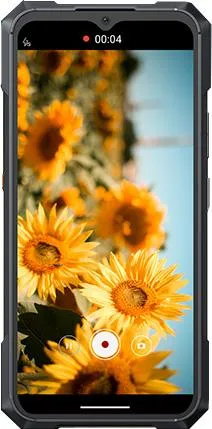
Google Pixel 7 vs. Cubot KingKong X: A Deep Dive for the Discerning Smartphone User
The smartphone market offers a dizzying array of choices, and navigating this landscape requires a keen eye for detail and a solid understanding of what truly matters. Today, we'll dissect two seemingly disparate contenders: the Google Pixel 7 and the Cubot KingKong X. While both occupy the "medium price" range, their strengths and target audiences differ significantly. Let's delve into the specifics.
1. Specifications Breakdown
| Feature | Google Pixel 7 | Cubot KingKong X | Real-World Implications |
|---|---|---|---|
| Design | |||
| Dimensions (mm) | 155.6 x 73.2 x 8.7 | 170.9 x 82.2 x 18.7 | Pixel 7: Sleek, pocketable. KingKong X: Larger, ruggedized, potentially less comfortable for one-handed use |
| Weight (g) | 197 | 388 | Pixel 7: Noticeably lighter, reducing hand fatigue. KingKong X: Hefty, reflecting its durable build |
| Display | |||
| Type | AMOLED, 90Hz | IPS LCD, 120Hz | Pixel 7: Vibrant colors, deeper blacks, smoother scrolling. KingKong X: Higher refresh rate, but less color accuracy |
| Size (inches) | 6.3 | 6.58 | KingKong X: Slightly larger screen for media consumption. |
| Resolution (px) | 1080 x 2400 | 1080 x 2408 | Comparable sharpness. |
| Performance | |||
| Chipset | Google Tensor G2 | Mediatek Dimensity 7050 | Pixel 7: Optimized for AI and machine learning tasks, potentially smoother overall performance. KingKong X: Capable mid-range performance, but potentially less efficient. |
| CPU | Octa-core (2x2.85 GHz Cortex-X1 & 2x2.35 GHz Cortex-A78 & 4x1.80 GHz Cortex-A55) | Octa-core (2x2.6 GHz Cortex-A78 & 6x2.0 GHz Cortex-A55) | Pixel 7: More powerful prime cores, better for demanding tasks. |
| RAM (GB) | 8 | 16 | KingKong X: Double the RAM, beneficial for multitasking and keeping apps open in the background. |
| Camera | |||
| Main Camera (MP) | 50 | 100 | KingKong X: Higher megapixel count, but image quality depends on sensor and processing, not just megapixels. |
| Video | 4K@60fps | 4K@30fps | Pixel 7: Superior video recording capabilities. |
| Battery Life | |||
| Capacity (mAh) | 4355 | 10200 | KingKong X: Significantly larger battery, likely resulting in much longer usage time. |
2. Key Insights
The Pixel 7 prioritizes a refined user experience with a sleek design, vibrant display, and Google's signature software optimization. Its Tensor G2 chip excels in AI tasks and delivers smooth performance. The camera, while lower in megapixel count than the KingKong X, benefits from Google's advanced image processing, likely resulting in superior image quality.
The Cubot KingKong X, on the other hand, focuses on ruggedness and battery life. Its massive 10200mAh battery promises extended usage, while its durable build can withstand harsher conditions. The higher refresh rate display and generous RAM are appealing, but real-world performance will depend on optimization. The 100MP camera sensor is intriguing but needs further investigation to determine real-world image quality.
3. User Profiles and Recommendations
Pixel 7: Ideal for users who value a premium feel, smooth performance, a top-tier camera, and seamless software integration. Best suited for those who prioritize quality over sheer specifications.
KingKong X: Geared towards users who demand extreme battery life and a rugged device capable of withstanding demanding environments. Appeals to outdoor enthusiasts, travelers, and those who prioritize durability and long usage sessions.
4. Buying Decision Framework
What is your primary use case? Everyday tasks, photography, and a premium experience? (Pixel 7). Extended battery life, ruggedness, and lots of RAM for multitasking? (KingKong X).
What is your budget? While both are mid-range, consider potential price differences and long-term value.
Which aspects of a smartphone are most important to you? Software experience, camera quality, and design? (Pixel 7). Battery life, durability, and raw specifications? (KingKong X).
My Choice: The Google Pixel 7
While the Cubot KingKong X's massive battery and rugged build are tempting, I would choose the Google Pixel 7. My priorities lie in a refined user experience, a consistently smooth operating system, and a camera that delivers excellent results in various conditions. The Pixel 7's Tensor G2 chip, optimized for AI and machine learning, promises a future-proof experience, while its sleek design and vibrant AMOLED display are more aligned with my personal preferences. Ultimately, the Pixel 7 represents a more well-rounded package that caters to my specific needs and priorities. I'm willing to sacrifice some battery life and ruggedness for a device that excels in the areas I value most.
