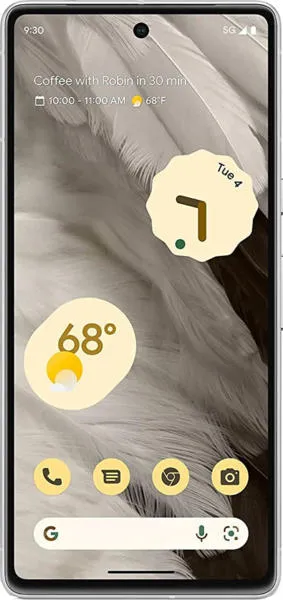
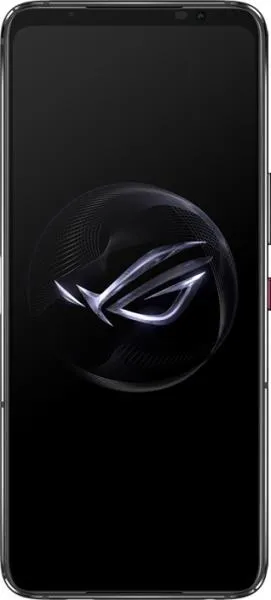
Google Pixel 7 vs. Asus ROG Phone 7: A Deep Dive for the Discerning User
The smartphone landscape is a battlefield, and two contenders vying for your attention are the Google Pixel 7 and the Asus ROG Phone 7. While both run on Android, their DNA couldn't be more different. Let's dissect these devices, translating the cold, hard specs into a warm, relatable understanding of what each offers.
1. Specifications Breakdown
| Feature | Google Pixel 7 | Asus ROG Phone 7 | Real-World Implications |
|---|---|---|---|
| Design | |||
| Dimensions (mm) | 155.6 x 73.2 x 8.7 | 173 x 77 x 10.3 | ROG Phone 7 is significantly larger and heavier; Pixel 7 is more pocketable. |
| Weight (g) | 197 | 239 | ROG Phone 7's heft might be tiring for extended use; Pixel 7 is more comfortable for one-handed operation. |
| Display | |||
| Size (inches) | 6.3 | 6.78 | ROG Phone 7 offers a larger viewing area for media consumption. |
| Resolution (px) | 1080 x 2400 | 1080 x 2448 | Virtually identical pixel density; sharpness won't be a differentiating factor. |
| Refresh Rate (Hz) | 90 | 165 | ROG Phone 7's higher refresh rate provides noticeably smoother scrolling and animations, especially in games. |
| Performance | |||
| Chipset | Google Tensor G2 | Snapdragon 8 Gen 2 | ROG Phone 7 boasts a more powerful and widely-benchmarked chipset, promising superior performance. |
| CPU | Octa-core | Octa-core | Both have powerful CPUs, but the Snapdragon 8 Gen 2 in the ROG Phone 7 is expected to outperform. |
| RAM (GB) | 8 | 12/16 | ROG Phone 7 offers significantly more RAM for heavy multitasking and gaming. |
| Camera | |||
| Main Camera (MP) | 50 | 50 | Both have high-resolution main cameras; image quality will depend on processing and sensor specifics. |
| Ultrawide (MP) | 12 | 13 | Similar ultrawide capabilities; minor differences in field of view and low-light performance are likely. |
| Battery Life | |||
| Capacity (mAh) | 4355 | 6000 | ROG Phone 7's significantly larger battery promises much longer usage time. |
2. Key Insights
The Pixel 7 prioritizes a refined, everyday user experience. Its strength lies in Google's tight integration of software and hardware, resulting in a smooth, intuitive interface, excellent computational photography, and timely software updates. The Tensor G2 chip, while not as rawly powerful as the Snapdragon, excels in AI-driven tasks and delivers optimized performance for everyday use.
The ROG Phone 7, on the other hand, is a gaming beast. Its high refresh rate display, top-tier Snapdragon processor, and abundant RAM scream performance. The massive battery ensures extended gameplay, and features like the side-mounted USB-C port (for charging while gaming) further cater to gamers. However, it comes at the cost of size and weight.
3. User Profiles and Recommendations
Pixel 7: Ideal for users who value a clean Android experience, prioritize camera quality, and appreciate a compact, pocketable phone. It's a great all-rounder for everyday tasks, social media, web browsing, and casual photography.
ROG Phone 7: Designed for mobile gamers, power users, and anyone who demands absolute peak performance. If you prioritize high refresh rate gaming, intensive multitasking, and long battery life above all else, the ROG Phone 7 is your weapon of choice.
4. Buying Decision Framework
- What is your primary use case? Everyday tasks or hardcore gaming?
- How important is portability and one-handed use?
- What is your budget? The ROG Phone 7 commands a significantly higher price.
Scenario-Based Recommendations:
- Casual User: The Pixel 7 offers a more balanced and affordable package.
- Gamer: The ROG Phone 7 is the clear winner, offering unparalleled performance.
- Power User: If gaming isn't a priority, the Pixel 7's sleek experience might be preferable despite the ROG Phone 7's raw power.
My Choice: The Google Pixel 7
While I admire the raw power of the ROG Phone 7, the Pixel 7 aligns better with my needs and priorities. As a tech journalist, I value a smooth, reliable phone for everyday tasks: communication, web browsing, note-taking, and occasional photography. The Pixel 7 excels in these areas, offering a polished software experience, a fantastic camera, and a comfortable form factor. While I appreciate high refresh rate displays, the bulk and gamer-centric focus of the ROG Phone 7 make it less appealing for my daily workflow. The Pixel 7 strikes the perfect balance between performance, usability, and portability, making it the ideal companion for my needs.
