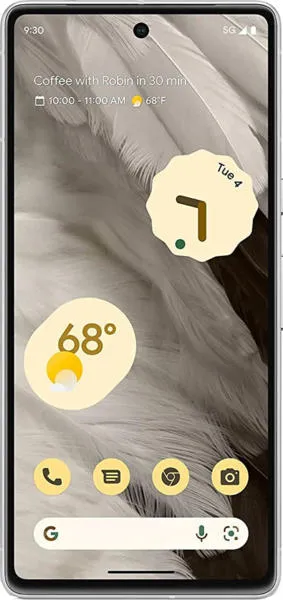
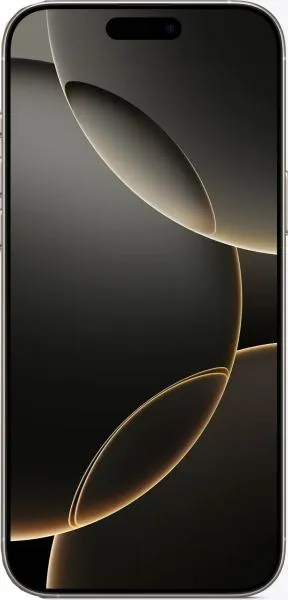
Google Pixel 7 vs. Apple iPhone 16 Pro Max: A Deep Dive
Let's dissect the Google Pixel 7 and the Apple iPhone 16 Pro Max, going beyond the spec sheet to understand what these phones offer in the real world.
1. Specifications Breakdown
| Feature | Google Pixel 7 | Apple iPhone 16 Pro Max | Real-World Implications |
|---|---|---|---|
| Design | |||
| Dimensions (mm) | 155.6 x 73.2 x 8.7 | 163 x 77.6 x 8.3 | iPhone 16 Pro Max is larger and slightly thinner. |
| Weight (g) | 197 | 227 | Pixel 7 is noticeably lighter, reducing hand fatigue. |
| Build Materials | Aluminum frame, Gorilla Glass Victus | Pixel's glass offers excellent scratch resistance. | |
| Display | |||
| Size | 6.3" | 6.9" | iPhone offers a significantly larger screen for immersive content. |
| Resolution | 1080 x 2400 | 1320 x 2868 | iPhone boasts a sharper display with higher pixel density. |
| Refresh Rate | 90Hz | 120Hz | iPhone's smoother animations enhance gaming and scrolling. |
| Display Type | AMOLED | LTPO Super Retina XDR OLED | Both offer vibrant colors and deep blacks, but iPhone's LTPO allows for variable refresh rate, conserving battery. |
| Peak Brightness | 1400 nits | 2000 nits | iPhone 16 Pro Max can get significantly brighter, improving outdoor visibility. |
| Performance | |||
| Chipset | Google Tensor G2 | Apple A18 Pro | A18 Pro likely offers a significant performance advantage. |
| CPU | Octa-core (2x2.85 GHz Cortex-X1 & 2x2.35 GHz Cortex-A78 & 4x1.80 GHz Cortex-A55) | Hexa-core (2x4.05 GHz + 4x2.42 GHz) | A18 Pro's higher clock speeds suggest superior processing power. |
| GPU | Mali-G710 MP7 | Apple GPU (6-core) | Apple's custom GPU is expected to excel in graphics-intensive tasks. |
| RAM | 8GB | 8GB | Both offer ample RAM for multitasking. |
| Camera | |||
| Main Camera | 50MP | 48MP | Pixel's computational photography prowess often outperforms higher megapixel counts. |
| Ultrawide | 12MP | 48MP | iPhone 16 Pro Max offers a higher resolution ultrawide lens. |
| Telephoto | - | 12MP, 5x optical zoom | iPhone offers superior telephoto capabilities. |
| DXOMARK Mobile | 140 | 157 | iPhone 16 Pro Max scores higher in overall camera quality according to DXOMARK. |
| Battery Life | |||
| Capacity | 4355 mAh | 4685 mAh | iPhone has a slightly larger battery capacity. |
2. Key Insights
- Performance: The A18 Pro chip in the iPhone 16 Pro Max will likely outperform the Tensor G2, especially in demanding tasks like gaming and video editing. The Pixel 7 will still provide a smooth experience for everyday use.
- Camera: While the iPhone 16 Pro Max boasts impressive hardware and DXOMARK scores, Pixel's computational photography and AI-powered features traditionally deliver exceptional image quality, particularly in challenging lighting conditions. The iPhone edges out in video capabilities with ProRes recording and more versatile zoom options.
- Display: The iPhone 16 Pro Max's larger, sharper display with ProMotion (120Hz adaptive refresh rate) delivers a more immersive and fluid visual experience. The Pixel 7's 90Hz AMOLED screen is still excellent but lacks the iPhone's adaptive refresh technology.
- Software and Ecosystem: This boils down to personal preference. Android offers greater customization and flexibility, while iOS is known for its simplicity and tight integration within the Apple ecosystem.
- Price: The Pixel 7 is positioned as a "medium price" device, offering excellent value. The iPhone 16 Pro Max is "high price," reflecting its premium features and positioning.
3. User Profiles and Recommendations
- Pixel 7: Best for users who prioritize value, a clean Android experience, excellent camera performance in various conditions, and a compact form factor. Ideal for everyday tasks, photography enthusiasts, and those seeking a flagship experience without the flagship price.
- iPhone 16 Pro Max: Best for users who demand top-tier performance, a large and stunning display, a robust app ecosystem, seamless integration with other Apple devices, and are willing to pay a premium for the best. Ideal for power users, content creators, mobile gamers, and those deeply invested in the Apple ecosystem.
4. Buying Decision Framework
- What is your budget? The Pixel 7 provides excellent value, while the iPhone 16 Pro Max commands a significantly higher price.
- What is your priority? Is it raw performance, camera quality, display, software experience, or overall value?
- What ecosystem are you invested in? Consider your existing devices and services when choosing between Android and iOS.
My Choice:
Personally, I would choose the Google Pixel 7. As a tech journalist focused on value and practicality, the Pixel 7 strikes the perfect balance. Its camera consistently impresses me, especially its low-light performance and computational photography tricks. While the iPhone 16 Pro Max boasts superior hardware on paper, the Pixel 7 delivers a flagship-level experience at a more accessible price point. The lighter weight and more compact size also appeal to me for daily use. While I appreciate the iPhone's ecosystem, Android's flexibility and customization options better suit my workflow and personal preferences. Ultimately, the Pixel 7 offers the features I value most without breaking the bank.
