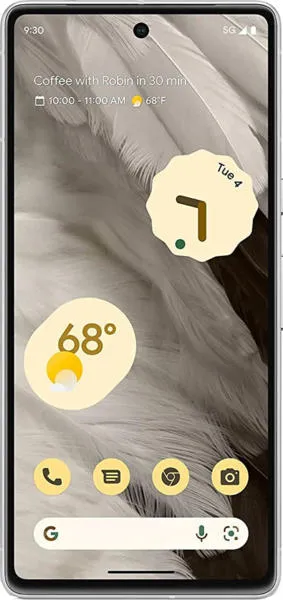
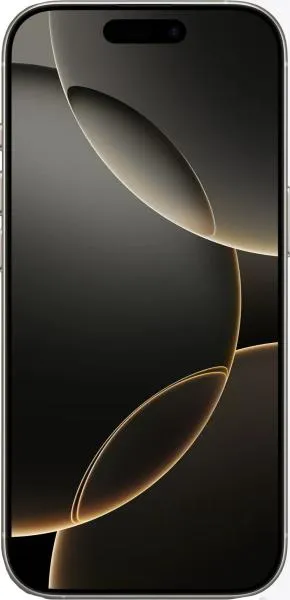
Google Pixel 7 vs. Apple iPhone 16 Pro: A Deep Dive
Let's dissect the Google Pixel 7 and the Apple iPhone 16 Pro, going beyond the spec sheet to understand what these phones offer in the real world.
1. Specifications Breakdown
| Feature | Google Pixel 7 | Apple iPhone 16 Pro | Real-World Implications |
|---|---|---|---|
| Design | |||
| Dimensions (mm) | 155.6 x 73.2 x 8.7 | 149.6 x 71.5 x 8.3 | iPhone 16 Pro is slightly smaller and thinner, potentially offering a more comfortable one-handed grip. |
| Weight (g) | 197 | 199 | Negligible weight difference; both feel substantial in hand. |
| Build Materials | Aluminum frame, Gorilla Glass Victus | Stainless steel frame, Ceramic Shield glass | iPhone 16 Pro boasts more premium and potentially more durable materials. |
| Display | |||
| Size (inches) | 6.3 | 6.3 | Identical screen sizes. |
| Resolution (px) | 1080 x 2400 | 1206 x 2622 | iPhone 16 Pro has a sharper display with higher pixel density (460 ppi vs 416 ppi), resulting in crisper visuals. |
| Refresh Rate (Hz) | 90 | 120 | iPhone 16 Pro's 120Hz display offers smoother scrolling and animations, enhancing the overall feel. |
| Display Type | AMOLED | LTPO OLED | Both offer vibrant colors and deep blacks. iPhone's LTPO allows for dynamic refresh rate, saving battery. |
| Peak Brightness (nits) | 1400 | 2000 | iPhone 16 Pro's higher peak brightness ensures better visibility in direct sunlight. |
| Performance | |||
| Chipset | Google Tensor G2 | Apple A18 Pro | A18 Pro, being a newer generation chip, is expected to deliver significantly faster performance. |
| CPU | Octa-core (2.85 GHz) | Hexa-core (4.05 GHz) | iPhone 16 Pro likely has a performance advantage due to its newer architecture and higher clock speeds. |
| RAM (GB) | 8 | 8 | Same RAM capacity, though performance will also depend on memory management and software optimization. |
| Camera | |||
| Main Camera (MP) | 50 | 48 | Pixel traditionally excels in computational photography; iPhone 16 Pro likely boasts hardware improvements. |
| Ultrawide (MP) | 12 | 48 | iPhone 16 Pro features a significantly higher resolution ultrawide lens. |
| Telephoto (MP) | - | 12 | iPhone 16 Pro offers optical zoom capabilities missing on the Pixel 7. |
| Battery Life | |||
| Capacity (mAh) | 4355 | 3582 | Pixel 7 has a larger battery capacity, suggesting potentially longer battery life. |
2. Key Insights
- Performance: The iPhone 16 Pro, with its newer A18 Pro chip, is poised to deliver a noticeable performance advantage over the Pixel 7. This translates to faster app loading, smoother multitasking, and better gaming performance.
- Display: While both phones have 6.3-inch displays, the iPhone 16 Pro's higher resolution, 120Hz refresh rate, and LTPO technology provide a superior visual experience. The higher peak brightness also makes a significant difference in outdoor use.
- Camera: Both phones are camera powerhouses, but their strengths differ. The Pixel 7 leverages Google's computational photography prowess, while the iPhone 16 Pro boasts advanced hardware, including a higher-resolution ultrawide and a telephoto lens. The choice depends on individual photography preferences.
- Battery Life: The Pixel 7's larger battery might offer longer usage on a single charge, but the iPhone 16 Pro's LTPO display and efficient chip could potentially close the gap. Real-world battery life will depend on usage patterns.
3. User Profiles and Recommendations
- Pixel 7: Best for users who prioritize a clean Android experience, exceptional camera performance in various conditions, and potentially longer battery life. Its lower price point also makes it an attractive option for budget-conscious buyers.
- iPhone 16 Pro: Ideal for users seeking top-tier performance, a premium and durable build, a stunning display, and a versatile camera system with advanced hardware. Those already invested in the Apple ecosystem will find seamless integration.
4. Buying Decision Framework
- What is your budget? The Pixel 7 offers excellent value for its price, while the iPhone 16 Pro commands a premium.
- Which operating system do you prefer? Android or iOS? This is a fundamental choice impacting app availability, ecosystem integration, and overall user experience.
- What are your priorities? Raw performance, camera versatility, battery life, display quality – identify your key needs to make the best decision.
My Choice: As a tech journalist who values both performance and a smooth user experience, I would lean towards the iPhone 16 Pro. The A18 Pro chip's power, combined with the stunning 120Hz LTPO display, promises a fluid and responsive experience. While the Pixel 7 is a compelling option with its camera and battery, the iPhone 16 Pro's overall package, including the more premium build, aligns better with my needs. The addition of a telephoto lens also expands creative possibilities for photography. However, I'd carefully consider the price difference and whether the Pro's advantages justify the higher cost for my individual usage.
