Google Pixel 7 vs. Apple iPhone 16 Plus: A Deep Dive for the Discerning User
The smartphone landscape is constantly evolving, and choosing the right device can feel overwhelming. Today, we'll dissect the Google Pixel 7 and the Apple iPhone 16 Plus, two compelling contenders in the mid-range price bracket. We'll go beyond the spec sheet, translating technical jargon into practical insights to help you make an informed decision.
1. Specifications Breakdown
| Feature | Google Pixel 7 | Apple iPhone 16 Plus | Real-World Implications | Category |
|---|---|---|---|---|
| Design | ||||
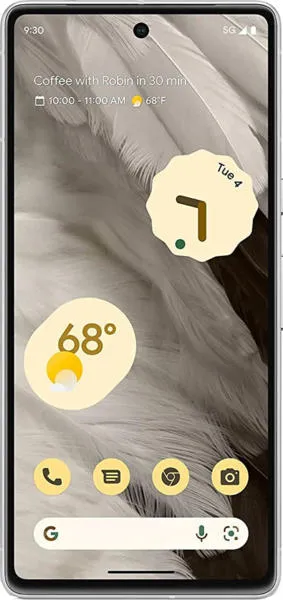
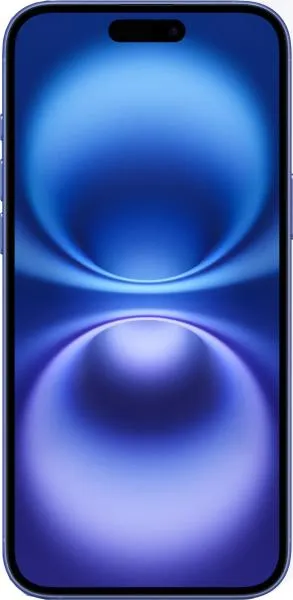
| Dimensions (mm) | 155.6 x 73.2 x 8.7 | 160.9 x 77.8 x 7.8 | iPhone 16 Plus is taller and wider, Pixel 7 is slightly thicker. Impacts one-handed use and pocketability. | Design |
| Weight (g) | 197 | 199 | Negligible weight difference. | Design |
| Build Materials | Aluminum frame, Gorilla Glass Victus | Aluminum frame, glass | Both offer premium build quality and durability. | Design |
| Display | ||||
| Display Size | 6.3" | 6.7" | iPhone 16 Plus offers a larger screen for more immersive content consumption. | Display |
| Resolution | 1080 x 2400 | 1290 x 2796 | iPhone 16 Plus has a sharper display with higher pixel density (460 ppi vs 416 ppi). | Display |
| Refresh Rate | 90Hz | Unspecified | Pixel 7's 90Hz offers smoother scrolling and animations. Lack of iPhone 16 Plus refresh rate data is a gap. | Display |
| Display Type | AMOLED | OLED | Both offer vibrant colors and deep blacks. Practical differences depend on specific panel quality. | Display |
| Peak Brightness | 1400 nits | 2000 nits | iPhone 16 Plus boasts significantly higher peak brightness, improving outdoor visibility. | Display |
| Performance | ||||
| Chipset | Google Tensor G2 | Apple A18 | A18 is expected to outperform Tensor G2 significantly, offering faster processing and graphics. | Performance |
| CPU | Octa-core | Hexa-core | Core count doesn't directly translate to performance; architectural differences are key. | Performance |
| RAM | 8GB | 8GB | Both offer ample RAM for multitasking. | Performance |
| OS | Android 13 | iOS 18 | OS preference is subjective, impacting app ecosystem, customization, and privacy features. | Performance |
| Camera | ||||
| Main Camera | 50MP | 48MP | Megapixels aren't everything; sensor size, aperture, and processing play crucial roles in image quality. | Camera |
| Ultrawide | 12MP | 12MP | Both offer ultrawide capabilities. Lens quality and software processing will determine real-world results. | Camera |
| Selfie Camera | 10.8MP | 12MP | Minor difference in megapixels; image quality depends on other factors like aperture and processing. | Camera |
| Battery Life | ||||
| Battery Capacity | 4355 mAh | 4674 mAh | iPhone 16 Plus has a larger battery, but actual battery life depends on optimization and usage patterns. | Battery Life |
2. Key Insights
- Performance: The iPhone 16 Plus, with its newer A18 chip, is likely to deliver a significant performance advantage over the Pixel 7. This translates to faster app loading, smoother gaming, and better multitasking.
- Display: While the Pixel 7 offers a smooth 90Hz refresh rate, the iPhone 16 Plus boasts a larger, sharper display with significantly higher peak brightness, making it ideal for outdoor use and media consumption. The lack of refresh rate information for the iPhone is notable.
- Software: The choice between Android and iOS boils down to personal preference. Android offers greater customization, while iOS is known for its simplicity and tighter ecosystem.
- Camera: Both phones boast impressive camera systems. While megapixel counts differ slightly, real-world image quality will depend on factors like sensor size, aperture, and computational photography capabilities. Historically, Google's Pixel line has excelled in image processing.
- Battery: The iPhone 16 Plus has a slight edge in battery capacity, but real-world battery life will depend on usage patterns and software optimization.
3. User Profiles and Recommendations
- Pixel 7: Best suited for users who prioritize a smooth software experience, value Google's AI-powered features, and prefer a compact form factor. Also a strong contender for photography enthusiasts given Google's track record.
- iPhone 16 Plus: Ideal for users who demand top-tier performance, crave a large and vibrant display, and prefer the iOS ecosystem. Power users, gamers, and those consuming a lot of media will likely gravitate towards the iPhone.
4. Buying Decision Framework
- What is your budget? The iPhone 16 Plus is priced higher than the Pixel 7.
- Which operating system do you prefer? Android and iOS offer distinct experiences.
- What are your priorities? Performance, display, camera, or battery life?
My Choice: The iPhone 16 Plus
While I admire the Pixel 7's compact design and Google's innovative software features, I would choose the iPhone 16 Plus. The anticipated performance leap with the A18 chip, combined with the larger, brighter display, is compelling. As a tech journalist, I often push devices to their limits, and the raw power of the iPhone, along with its robust app ecosystem, aligns better with my workflow. Although iOS offers less customization than Android, I prioritize the seamless integration and performance consistency that Apple's ecosystem provides. Finally, the significantly brighter display is a major factor for usability in various lighting conditions, especially outdoors. While awaiting concrete benchmark tests and real-world battery life comparisons, the currently available information points to the iPhone 16 Plus as the more compelling device for my needs.
