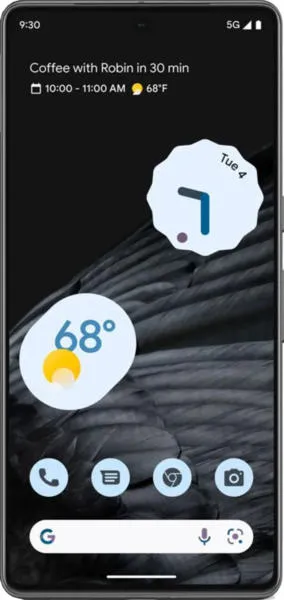

Google Pixel 7 Pro vs. ZTE nubia Z60 Ultra: A Deep Dive
The smartphone landscape is constantly evolving, and choosing the right device can feel overwhelming. Today, we'll dissect two compelling contenders: the Google Pixel 7 Pro and the ZTE nubia Z60 Ultra. By blending technical expertise with real-world insights, we'll empower you to make a decision that aligns perfectly with your needs.
1. Specifications Breakdown
| Feature | Google Pixel 7 Pro | ZTE nubia Z60 Ultra | Real-World Implications |
|---|---|---|---|
| Design | |||
| Dimensions (mm) | 162.9 x 76.6 x 8.9 | 164 x 76.4 x 8.8 | Z60 Ultra slightly taller and thinner, negligible difference in hand. |
| Weight (g) | 212 | 246 | Z60 Ultra noticeably heavier, potentially impacting one-handed use. |
| Display | |||
| Size (inches) | 6.7 | 6.8 | Z60 Ultra offers marginally larger screen real estate. |
| Resolution (px) | 1440 x 3120 | 1116 x 2480 | Pixel 7 Pro significantly sharper (512 ppi vs 400 ppi), resulting in crisper text and images. |
| Refresh Rate (Hz) | 120 (LTPO) | 120 | Both offer smooth scrolling and animations; Pixel's LTPO allows for dynamic refresh rate saving power. |
| Display Type | LTPO AMOLED | AMOLED | Pixel 7 Pro's LTPO panel potentially offers better power efficiency. |
| Performance | |||
| Chipset | Google Tensor G2 | Snapdragon 8 Gen 3 | Z60 Ultra boasts newer, potentially more powerful processor. Real-world difference needs testing. |
| RAM (GB) | 12 | 12 | Both offer ample RAM for multitasking and demanding applications. |
| Camera | |||
| Main Sensor (MP) | 50 | 64 | Z60 Ultra has a higher resolution main sensor. Image quality depends on processing and sensor size. |
| Telephoto (MP) | 48 | 64 | Both offer high-resolution telephoto; real-world zoom quality needs comparison. |
| Battery Life | |||
| Capacity (mAh) | 5000 | 6000 | Z60 Ultra boasts a larger battery, potentially translating to longer usage time. |
2. Key Insights
- Display: While the Z60 Ultra offers a slightly larger display, the Pixel 7 Pro's higher resolution and LTPO technology provide a tangible advantage in sharpness and power efficiency. The difference in pixel density will be noticeable in everyday use.
- Performance: The Snapdragon 8 Gen 3 in the Z60 Ultra is newer and likely more powerful on paper. However, Google's Tensor G2 excels in AI and machine learning tasks, leading to unique Pixel features and potentially better optimized performance for specific applications. Real-world benchmarks are needed for a definitive comparison.
- Camera: Both phones boast impressive camera systems. The Z60 Ultra's higher resolution sensors might offer more detail in certain scenarios, but the Pixel 7 Pro's renowned computational photography prowess often delivers superior image quality overall, especially in challenging lighting conditions.
- Battery: The Z60 Ultra's larger battery capacity suggests longer endurance. However, the Pixel 7 Pro's efficient Tensor G2 chip and LTPO display could narrow the gap in real-world usage.
3. User Profiles and Recommendations
- Pixel 7 Pro: Ideal for users prioritizing a polished software experience, excellent camera performance, and a vibrant, sharp display. Its AI-powered features and timely software updates make it a strong choice for those who value seamless integration within the Google ecosystem.
- ZTE nubia Z60 Ultra: Suited for power users seeking cutting-edge hardware, potentially longer battery life, and impressive camera specifications on paper. Those comfortable exploring less mainstream brands and potentially navigating a different software experience might find it appealing.
4. Buying Decision Framework
- What matters most? Prioritize your needs: smooth performance, camera quality, battery life, software experience, or display sharpness.
- What's your budget? While both are in the "medium price" range, specific pricing variations might exist.
- What's your comfort level with technology? The Pixel 7 Pro offers a more familiar and user-friendly experience, while the Z60 Ultra might require more technical understanding.
My Choice: Google Pixel 7 Pro
While the ZTE nubia Z60 Ultra boasts impressive hardware, I would choose the Google Pixel 7 Pro. The deciding factors are the superior display quality, proven camera performance powered by Google's computational photography, and the smooth, intuitive software experience with guaranteed updates. The Pixel's focus on user experience, combined with its excellent camera and vibrant display, aligns better with my personal preferences. The slightly smaller battery is a trade-off I'm willing to make for the overall package offered by the Pixel.
