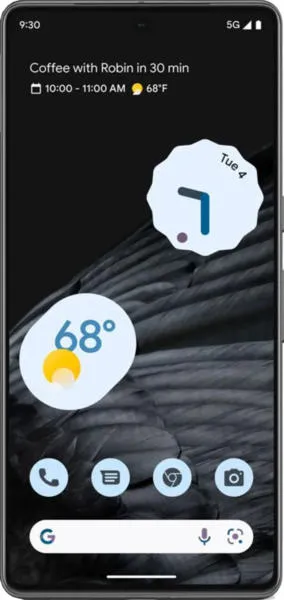
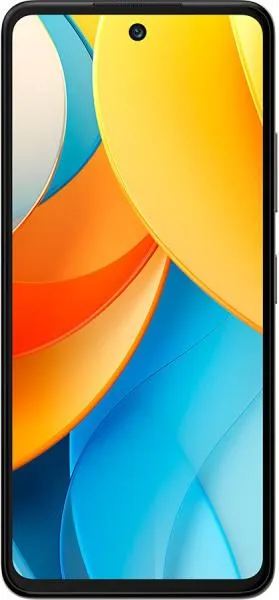
Google Pixel 7 Pro vs. ZTE Blade V60 Design: A Deep Dive
Let's dissect the Google Pixel 7 Pro and the ZTE Blade V60 Design, going beyond the spec sheet to understand what these phones offer in the real world.
1. Specifications Breakdown
| Feature | Google Pixel 7 Pro | ZTE Blade V60 Design | Real-World Implications |
|---|---|---|---|
| Design | |||
| Dimensions (mm) | 162.9 x 76.6 x 8.9 | 164.2 x 75.3 x 8.6 | Pixel 7 Pro is slightly smaller, potentially more comfortable for one-handed use. |
| Weight (g) | 212 | 198 | V60 Design is noticeably lighter, reducing hand fatigue during extended use. |
| Build Material | Aluminum frame, Gorilla Glass Victus | Plastic frame, Glass front | Pixel's premium materials offer better durability and a more premium feel. |
| Display | |||
| Display Type | LTPO AMOLED | IPS LCD | Pixel's AMOLED offers deeper blacks, richer colors, and better power efficiency due to per-pixel illumination. LTPO enables variable refresh rate. |
| Display Size (inches) | 6.7 | 6.6 | Negligible size difference; both offer ample screen real estate. |
| Resolution (pixels) | 1440 x 3120 | 720 x 1612 | Pixel's significantly higher resolution delivers sharper text, images, and videos. V60 Design's lower resolution may appear pixelated. |
| Refresh Rate (Hz) | 120 | 90 | Pixel's 120Hz refresh rate provides smoother scrolling and animations, enhancing the overall user experience. |
| Performance | |||
| Chipset | Google Tensor G2 (5 nm) | Unisoc T606 (12 nm) | Pixel's Tensor G2 offers significantly faster processing speeds, AI capabilities, and superior graphics performance. |
| CPU | Octa-core (2x2.85 GHz...) | Octa-core (2x1.6 GHz...) | Pixel's more powerful CPU handles demanding tasks and multitasking with ease. V60 Design may experience lag with intensive applications. |
| RAM (GB) | 12 | 4/6 | Pixel's larger RAM enables smoother multitasking and faster app switching. V60 Design's lower RAM may lead to performance bottlenecks. |
| Camera | |||
| Main Camera (MP) | 50 | 50 | Similar megapixel count, but Pixel's advanced image processing and superior sensor likely result in significantly better image quality. |
| Camera Features | OIS, 5x Optical Zoom, Super Res Zoom | Digital Zoom, Dual LED Flash | Pixel offers superior camera features, including optical image stabilization and a telephoto lens for zoomed shots. |
| Battery Life | |||
| Battery Capacity (mAh) | 5000 | 5000 | Similar battery capacity, but real-world battery life depends on software optimization and display efficiency. Pixel's AMOLED is generally more efficient. |
2. Key Insights
The Pixel 7 Pro is a flagship smartphone with cutting-edge technology. Its Tensor G2 chip delivers exceptional performance, the brilliant AMOLED display provides a stunning visual experience, and the camera system captures outstanding photos and videos. The LTPO display dynamically adjusts the refresh rate, conserving battery while ensuring smooth performance.
The ZTE Blade V60 Design is a budget-friendly device prioritizing affordability. While it offers a large display and a 50MP main camera, its performance and overall user experience are significantly less impressive than the Pixel's due to the less powerful processor and lower RAM. The IPS LCD consumes more power than the Pixel's AMOLED, potentially impacting battery life.
3. User Profiles and Recommendations
Pixel 7 Pro: Ideal for power users, photographers, and anyone who demands top-tier performance, a premium display, and a long-lasting battery.
ZTE Blade V60 Design: Suitable for budget-conscious users who prioritize basic functionality and affordability over high-end features and performance. Good for light tasks like browsing, social media, and casual photography.
4. Buying Decision Framework
- What is your budget? The Pixel 7 Pro is significantly more expensive.
- What are your performance expectations? For demanding tasks and gaming, the Pixel 7 Pro is essential.
- How important is camera quality? The Pixel 7 Pro's camera system is vastly superior.
My Choice: Google Pixel 7 Pro
As a tech journalist who values performance, a fluid user experience, and a top-notch camera, the Pixel 7 Pro is the clear winner for me. The superior display, powerful Tensor G2 chip, and advanced camera features justify the higher price. While the ZTE Blade V60 Design offers good value for its price, the compromises in performance and overall experience are too significant for my needs. The Pixel's smooth 120Hz LTPO AMOLED display, combined with the Tensor G2's AI capabilities and optimized software, provides a level of responsiveness and efficiency that the V60 Design simply can't match. I appreciate having a device that can handle demanding tasks seamlessly, capture stunning photos, and offer a premium user experience across the board.
