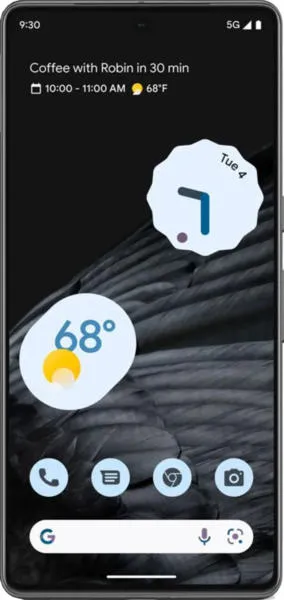
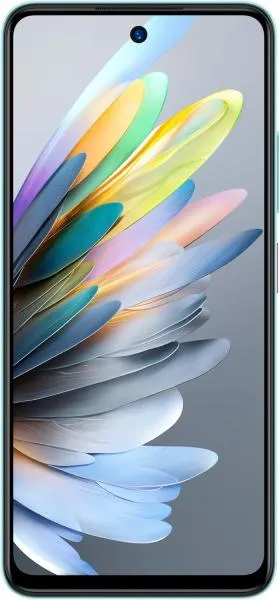
Let's dive into a comparative analysis of the Google Pixel 7 Pro and the ZTE Blade A75 4G, dissecting their specifications and translating them into real-world implications for you.
1. Specifications Breakdown
| Feature | Google Pixel 7 Pro | ZTE Blade A75 4G | Real-World Implications |
|---|---|---|---|
| Design | |||
| Dimensions (mm) | 162.9 x 76.6 x 8.9 | 164.1 x 75.8 x 8.6 | Pixel 7 Pro slightly shorter and narrower, both slim. Negligible difference in hand feel. |
| Weight (g) | 212 | 189 | ZTE Blade A75 4G noticeably lighter, reducing hand fatigue during extended use. |
| Build Materials | Aluminum frame, Gorilla Glass Victus | Plastic frame, unspecified glass | Pixel 7 Pro significantly more premium and durable, offering better scratch and drop resistance. |
| Display | |||
| Display Type | LTPO AMOLED | IPS LCD | Pixel 7 Pro offers deeper blacks, more vibrant colors, and better power efficiency. |
| Display Size | 6.7" | 6.6" | Negligible difference in screen real estate. |
| Resolution | 1440 x 3120 | 720 x 1612 | Pixel 7 Pro dramatically sharper and more detailed, enhancing media consumption and overall clarity. |
| Refresh Rate | 120Hz | 90Hz | Pixel 7 Pro provides smoother scrolling and animations, though both offer above-average refresh rates. |
| Performance | |||
| Chipset | Google Tensor G2 | Unisoc T606 | Pixel 7 Pro vastly more powerful, enabling seamless multitasking, demanding gaming, and AI processing. |
| CPU | Octa-core (2x2.85 GHz Cortex-X1 & 2x2.35 GHz Cortex-A78 & 4x1.80 GHz Cortex-A55) | Octa-core (2x1.6 GHz Cortex-A75 & 6x1.6 GHz Cortex-A55) | Pixel 7 Pro offers significantly faster processing speeds across the board. |
| RAM | 12GB | 4GB/8GB | Pixel 7 Pro provides much greater memory for seamless multitasking and app switching. |
| Camera | |||
| Main Camera | 50MP | 50MP | Pixel 7 Pro likely utilizes superior sensor and image processing despite the same resolution. |
| Additional Cameras | 12MP ultrawide, 48MP telephoto | 0.3MP depth | Pixel 7 Pro offers far more versatile camera setup with dedicated zoom and wide-angle capabilities. |
| Battery Life | |||
| Battery Capacity | 5000mAh | 5000mAh | Similar battery capacity, but Pixel 7 Pro's LTPO display and efficient chip could result in longer real-world usage. |
2. Key Insights
The Google Pixel 7 Pro is a flagship device with cutting-edge technology across the board. Its strengths lie in its powerful Tensor G2 chip, stunning LTPO AMOLED display, highly versatile camera system, and premium build quality. The real-world impact is a fluid, responsive user experience, exceptional photo and video quality, and long-lasting battery life.
The ZTE Blade A75 4G, on the other hand, is a budget-friendly phone that prioritizes affordability. While it offers a large display and a sizable battery, its performance, camera capabilities, and overall user experience are expected to be significantly less impressive than the Pixel 7 Pro.
3. User Profiles and Recommendations
Pixel 7 Pro: Ideal for power users, photographers, content creators, and anyone who demands top-tier performance, a premium display, and a versatile camera system. If you value a smooth, lag-free experience and cutting-edge features, the Pixel 7 Pro is a strong contender.
ZTE Blade A75 4G: Suited for budget-conscious users who prioritize basic functionality, such as calling, texting, web browsing, and social media. It's a reasonable option for those seeking an affordable device without demanding high performance or advanced features. Students or those seeking a secondary phone may find this adequate.
4. Buying Decision Framework
Questions to Consider:
- What is your budget? The Pixel 7 Pro is a significantly more expensive investment.
- What are your primary smartphone usage patterns? Demanding tasks like gaming and content creation necessitate the Pixel's power.
- How important are camera quality and features? The Pixel 7 Pro vastly outperforms the ZTE Blade A75 4G in this area.
My Choice
I would choose the Google Pixel 7 Pro without hesitation. As a tech journalist who relies heavily on a smartphone for work and personal use, the Pixel 7 Pro's superior performance, exceptional camera system, and stunning display are essential. The fluid user experience and the ecosystem integration with Google services are invaluable to my workflow. While the ZTE Blade A75 4G offers an attractive price point, the compromises in performance, display quality, and camera versatility are too significant for my needs. The long-term value and user experience of the Pixel 7 Pro justify the higher investment.
