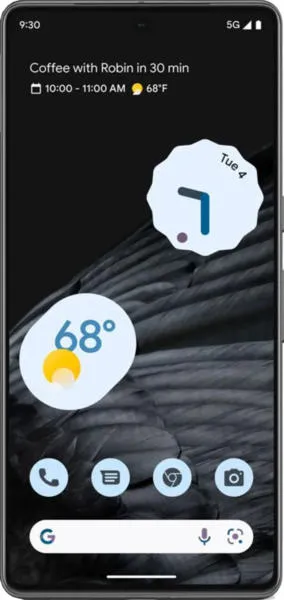

Google Pixel 7 Pro vs. Xiaomi Redmi Note 13 Pro+: A Deep Dive
Let's dissect the Google Pixel 7 Pro and the Xiaomi Redmi Note 13 Pro+, two compelling contenders in the mid-range smartphone arena. We'll go beyond the spec sheet to uncover what these numbers truly mean for your daily life.
1. Specifications Breakdown
| Feature | Google Pixel 7 Pro | Xiaomi Redmi Note 13 Pro+ | Real-World Implications |
|---|---|---|---|
| Design | |||
| Dimensions (mm) | 162.9 x 76.6 x 8.9 | 161.4 x 74.2 x 8.9 | Virtually identical in size and feel. |
| Weight (g) | 212 | 199 | Negligible difference in weight; both feel substantial in hand. |
| Build Materials | Aluminum frame, Gorilla Glass Victus | Glass front (Gorilla Glass 5), aluminum frame, plastic back | Pixel boasts slightly more premium materials. Durability should be comparable. |
| Display | |||
| Size (inches) | 6.7 | 6.67 | Nearly identical screen real estate. |
| Resolution | 1440 x 3120 | 1220 x 2712 | Pixel 7 Pro offers significantly sharper visuals (512 ppi vs. 446 ppi). |
| Type | LTPO AMOLED | AMOLED | Both offer vibrant colors and deep blacks. Pixel's LTPO enables dynamic refresh rate for battery saving. |
| Refresh Rate | 120Hz | 120Hz | Smooth scrolling and animations on both devices. |
| Peak Brightness | 1500 nits | 1800 nits | Redmi Note 13 Pro+ should be more visible in direct sunlight. |
| Performance | |||
| Chipset | Google Tensor G2 | Mediatek Dimensity 7200 Ultra | Tensor G2 excels in AI tasks and image processing; Dimensity 7200 Ultra focuses on raw performance. |
| CPU | Octa-core (2x2.85 GHz Cortex-X1...) | Octa-core (2x2.8 GHz Cortex-A715...) | Both offer strong performance, but benchmarks will likely favor the Dimensity 7200 Ultra. |
| RAM | 12GB | 8GB/12GB | 12GB RAM on Pixel offers better multitasking and future-proofing. |
| Camera | |||
| Main Sensor | 50MP Samsung GN1 | 200MP Samsung HP3 | Redmi boasts higher resolution, but Pixel's image processing historically delivers superior results. |
| Telephoto | 48MP | None | Pixel 7 Pro offers dedicated optical zoom for clearer distant shots. |
| Battery Life | |||
| Capacity | 5000mAh | 5000mAh | Similar battery capacity suggests comparable longevity, but real-world usage will vary. |
2. Key Insights
The Pixel 7 Pro prioritizes a refined user experience, leveraging Google's software prowess and AI capabilities. Its strengths lie in its smooth performance, exceptional camera quality, and vibrant display. The Redmi Note 13 Pro+ aims for maximum hardware value, boasting a higher resolution camera, brighter display, and a potentially faster processor.
3. User Profiles and Recommendations
Pixel 7 Pro: Ideal for users who value a seamless software experience, prioritize camera quality, and appreciate the integration with Google's ecosystem. Photographers, content creators, and those seeking a polished Android experience will find this phone appealing.
Redmi Note 13 Pro+: Best suited for users seeking maximum hardware specifications for their budget. Gamers, power users, and those who prioritize screen brightness will appreciate this phone's capabilities.
4. Buying Decision Framework
- What matters most? Software experience and camera quality or raw hardware performance and display brightness?
- What's your budget? Consider the price difference between these devices in your region.
- How important is brand loyalty? Are you invested in the Google or Xiaomi ecosystem?
My Choice: Google Pixel 7 Pro
While the Redmi Note 13 Pro+ offers impressive hardware, the Pixel 7 Pro's superior software experience, consistently excellent camera performance, and the advantage of timely Android updates sway my decision. The Pixel's focus on real-world user benefits, rather than sheer specification numbers, aligns more closely with my priorities. I value the seamless integration within the Google ecosystem and the assurance of a polished, refined user experience. The dedicated telephoto lens is also a crucial factor for me, as I frequently capture photos that require optical zoom.
