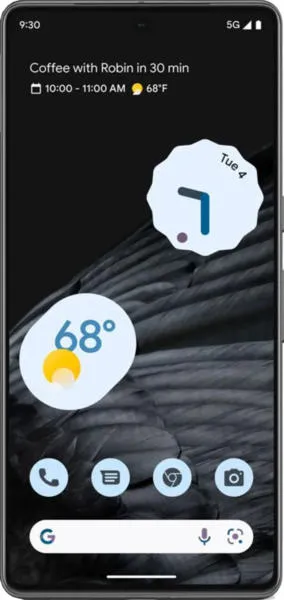
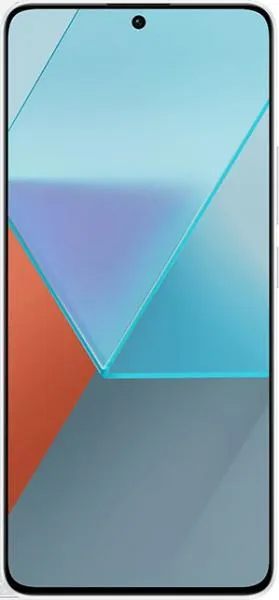
Google Pixel 7 Pro vs. Xiaomi Redmi Note 13 Pro: A Deep Dive
Let's dissect the Google Pixel 7 Pro and the Xiaomi Redmi Note 13 Pro, two compelling smartphones vying for your attention in the mid-range market. We'll go beyond the spec sheet, translating technical jargon into real-world experiences to help you decide which phone fits your lifestyle.
1. Specifications Breakdown
| Feature | Google Pixel 7 Pro | Xiaomi Redmi Note 13 Pro | Real-World Implications |
|---|---|---|---|
| Design | |||
| Dimensions (mm) | 162.9 x 76.6 x 8.9 | 161.2 x 74.2 x 8 | Pixel 7 Pro slightly taller and wider; both slim and pocketable. |
| Weight (g) | 212 | 187 | Redmi Note 13 Pro noticeably lighter, reducing hand fatigue during extended use. |
| Build Materials | Glass/Aluminum | Glass/Aluminum | Premium feel and durability in both devices. |
| Display | |||
| Size (inches) | 6.7 | 6.67 | Negligible difference in screen real estate. |
| Resolution (px) | 1440 x 3120 | 1220 x 2712 | Pixel 7 Pro boasts significantly sharper visuals due to higher pixel density (512 ppi vs. 446 ppi). |
| Refresh Rate (Hz) | 120 (LTPO) | 120 | Both offer smooth scrolling and animations; Pixel's LTPO allows for dynamic refresh rate, saving battery. |
| Display Type | LTPO AMOLED | AMOLED | Both offer vibrant colors and deep blacks; Pixel's LTPO provides more power efficiency. |
| Performance | |||
| Chipset | Google Tensor G2 | Snapdragon 7s Gen 2 | Tensor G2 focuses on AI and machine learning, potentially offering a smoother, more personalized experience. Snapdragon 7s Gen 2 provides solid mid-range performance. |
| CPU | Octa-core (2x2.85 GHz Cortex-X1 & 2x2.35 GHz Cortex-A78 & 4x1.80 GHz Cortex-A55) | Octa-core (4x2.4 GHz Cortex-A78 & 4x1.95 GHz Cortex-A55) | Tensor G2 likely edges out in raw performance due to higher clock speeds and Cortex-X1 core, but real-world differences might be subtle. |
| RAM (GB) | 12 | 8/12 | 12GB RAM in Pixel 7 Pro enables smoother multitasking and demanding app usage. Redmi offers 8GB or 12GB variants. |
| Camera | |||
| Main Sensor (MP) | 50 | 200 | Redmi boasts higher megapixel count; Pixel emphasizes computational photography for image quality. |
| Telephoto | 48MP (5x Optical) | None | Pixel 7 Pro offers superior zoom capabilities. |
| Battery Life | |||
| Capacity (mAh) | 5000 | 5100 | Redmi has slightly larger battery capacity, but real-world battery life depends on optimization. |
2. Key Insights
- Display: The Pixel 7 Pro's higher resolution and LTPO AMOLED display provide a noticeable advantage in sharpness, smoothness, and power efficiency.
- Performance: While benchmarks might favor the Tensor G2, both chipsets should deliver capable mid-range performance. The Tensor G2's AI capabilities could shine in specific tasks and Google's software features.
- Camera: The Redmi Note 13 Pro's 200MP sensor might seem impressive, but Pixel's computational photography prowess traditionally delivers excellent image quality. The Pixel's dedicated telephoto lens provides versatility that the Redmi lacks.
- Software: Pixel offers a pure Android experience with guaranteed updates, while Redmi's MIUI adds customization but might include bloatware.
3. User Profiles and Recommendations
- Pixel 7 Pro: Best for users who prioritize a premium display, clean software, timely updates, a top-tier camera experience (especially zoom), and unique AI-powered features.
- Redmi Note 13 Pro: Suitable for budget-conscious users seeking a large, vibrant display, long battery life, and impressive camera hardware on paper.
4. Buying Decision Framework
- Is a pristine display and a fluid user experience paramount? If yes, the Pixel 7 Pro's LTPO AMOLED and higher resolution are compelling.
- Do you value software updates and a clean Android experience? Pixel's pure Android and guaranteed updates win here.
- Is a telephoto lens essential for your photography needs? The Pixel 7 Pro's dedicated telephoto lens provides a clear advantage.
My Choice: Google Pixel 7 Pro
While the Redmi Note 13 Pro boasts impressive specs on paper, particularly the 200MP camera and larger battery, I'd choose the Google Pixel 7 Pro. My decision hinges on the following:
- Superior Display: The Pixel's sharper, smoother LTPO AMOLED display is a game-changer for everyday use. I appreciate the power efficiency and responsiveness of LTPO technology.
- Clean Software and Updates: As a tech enthusiast, I value a pure Android experience without bloatware and the assurance of timely updates. Google's commitment to software support is a significant factor.
- Telephoto Lens: I frequently use the zoom feature on my smartphone camera, and the Pixel's dedicated telephoto lens provides optical zoom quality that digital zoom can't match.
- Trusted Camera Performance: While the Redmi's 200MP sensor is intriguing, Google's track record with computational photography convinces me that the Pixel will consistently deliver excellent image quality.
While the Redmi Note 13 Pro offers strong value for its price, the Pixel 7 Pro provides a more refined and premium user experience that aligns with my priorities. The combination of a stunning display, clean software, a versatile camera system, and unique Google features justifies the price difference for me.
